1 Day Bwindi Gorilla Trek
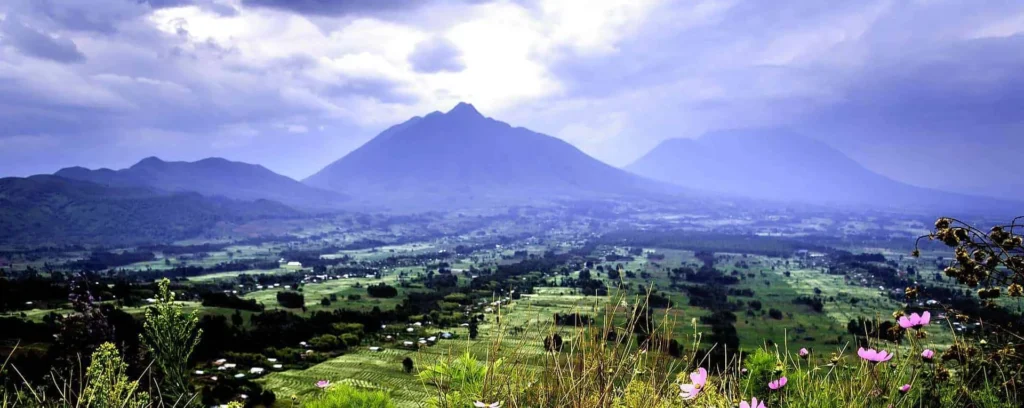
A one-day mountain gorilla trek in Bwindi for travellers who are already in southwestern Uganda.
View SafariHandpicked Kenya Safari Tours for Every Traveler
Sustainable tourism in Rwanda has become an important part of the country's approach to wildlife conservation, national park management and economic development.
Sustainable tourism aims to balance the economic benefits of travel with environmental protection and the well-being of local communities.
In Rwanda, this includes protecting wildlife habitats, regulating sensitive activities, creating employment opportunities and encouraging tourism businesses to operate responsibly.
The concept extends beyond simply staying in an eco-lodge or participating in a wildlife activity.
A genuinely sustainable holiday considers how services are delivered, who benefits economically, how natural resources are used and whether tourism activities cause avoidable harm.
Environmental sustainability involves protecting biodiversity, reducing pollution, managing waste and limiting damage to natural habitats.
For Rwanda's national parks, this includes maintaining wildlife protection systems and controlling visitor access to sensitive environments.
Social sustainability considers the effects of tourism on local communities.
Important issues include fair employment, respect for cultural traditions, community participation and the distribution of tourism benefits.
Economic sustainability involves creating long-term value rather than relying on short-term tourism activity.
A healthy tourism sector should support reliable employment, viable businesses and continued investment in conservation and infrastructure.
Showing 1–12 of 222 safaris
A one-day mountain gorilla trek in Bwindi for travellers who are already in southwestern Uganda.
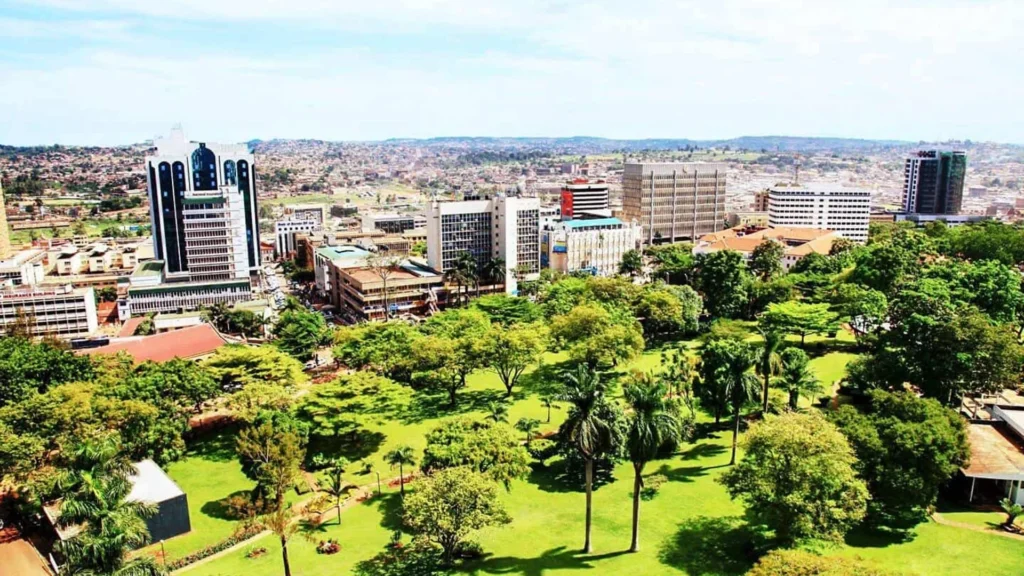
View SafariA single day in Kampala for the kasubi and palace area, a cultural show, and a market or…
View SafariA full day in Kigali covering the Genocide Memorial, a neighborhood market, and one or two museums.
View SafariA single day on Mount Bisoke, with the crater lake as the turnaround point.
View SafariThe 1 Day Rwanda Family Safari offers an exciting and educational wildlife adventure for families visiting Rwanda.
View SafariThe 3 Day Rwanda Gorilla and Akagera Safari combines mountain gorilla trekking in Volcanoes National Park with wildlife…
View SafariThe 4 Day Rwanda Gorilla and Nyungwe Safari combines mountain gorilla trekking in Volcanoes National Park with chimpanzee…
View SafariThe 1 Day Rwanda Gorilla Trekking Safari offers an unforgettable opportunity to encounter endangered mountain gorillas in their…
View SafariThe 1 Day Rwanda Honeymoon Safari offers couples a romantic escape to the beautiful shores of Lake Kivu,…
View SafariThe 1 Day Rwanda Luxury Safari offers an exclusive wildlife experience in Akagera National Park, Rwanda's premier Big…
View SafariThe 1 Day Rwanda Primates Safari offers an exciting opportunity to encounter Rwanda's endangered golden monkeys in the…
View SafariThe 1 Day Rwanda Wildlife Safari offers an exciting opportunity to explore Akagera National Park, Rwanda's premier savannah…
View SafariRwanda has developed a tourism model in which certain high-value wildlife experiences contribute to the broader conservation economy.
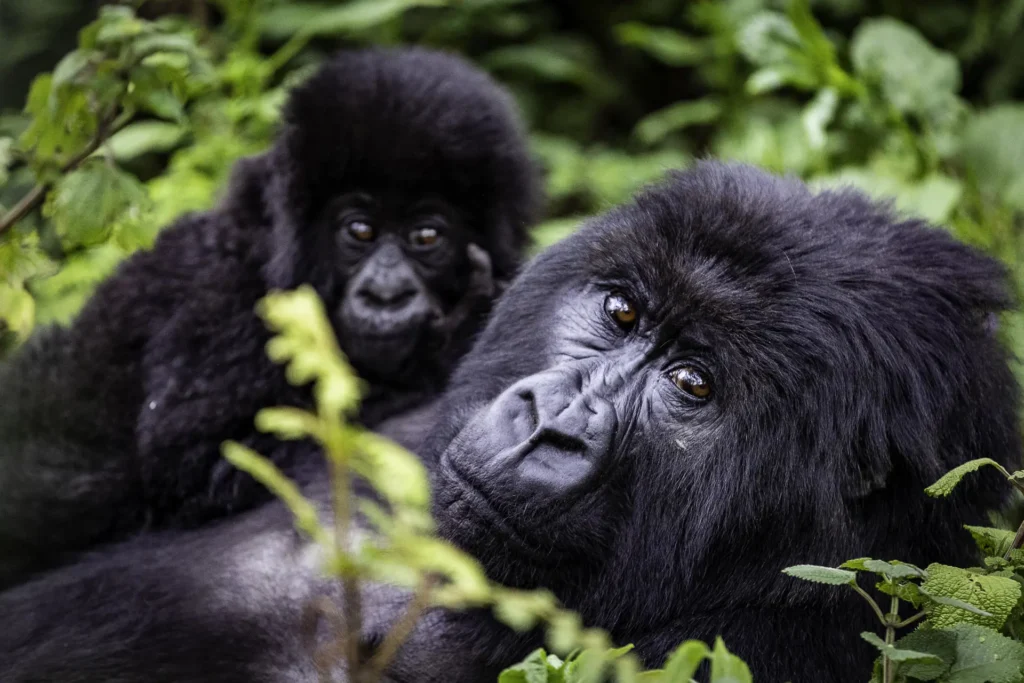
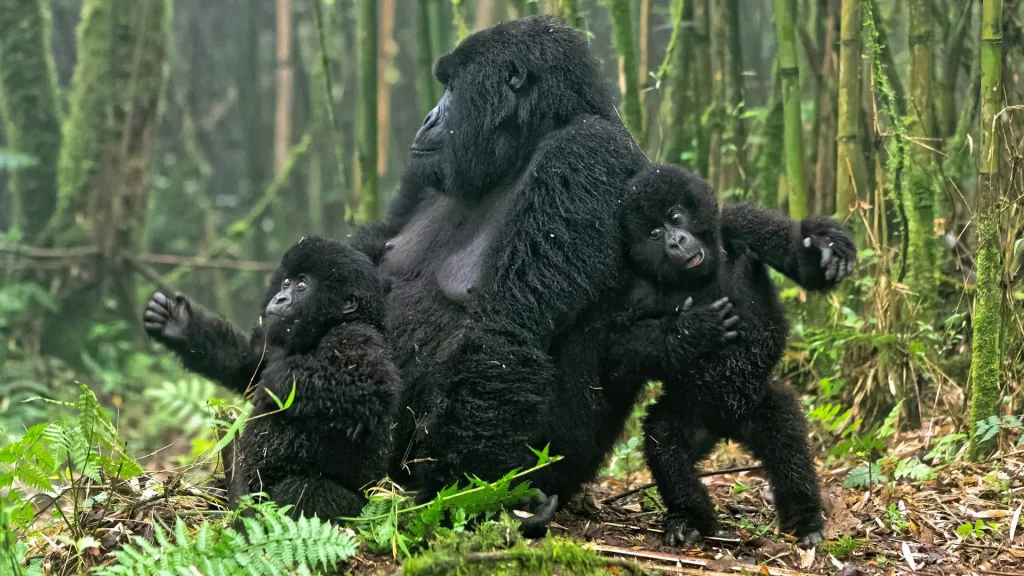
Mountain gorilla trekking is the most prominent example.
Visitor numbers are controlled, permits are required and activities take place under strict park regulations.
This approach is intended to generate revenue while limiting direct pressure on sensitive wildlife.
However, a high permit price alone does not establish that tourism is sustainable. The effectiveness of the model depends on how revenue is managed, how wildlife is protected and whether communities receive meaningful benefits.
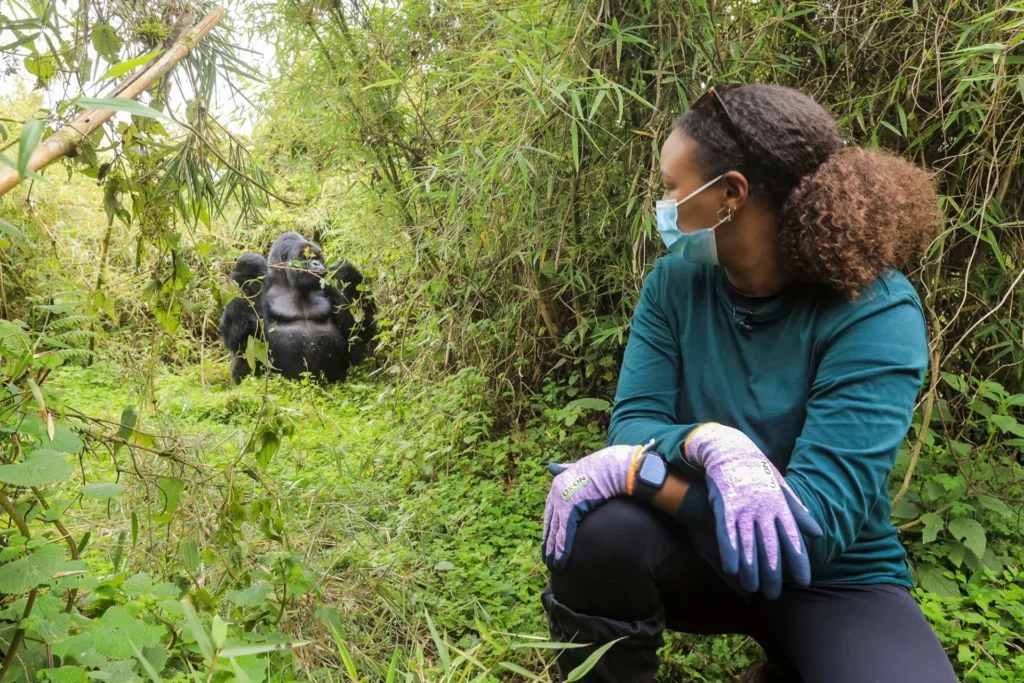
Mountain gorilla conservation in Rwanda is one of the country's most important environmental priorities.
Mountain gorillas inhabit the Virunga mountain forests, where their survival depends on protected habitat, veterinary monitoring, scientific research and cooperation across national boundaries.
Historically, mountain gorillas faced threats from habitat loss, poaching-related hazards, disease and human pressure.
Conservation efforts have involved park authorities, researchers, veterinary organisations and local communities.
Mountain gorillas are highly vulnerable to certain human diseases.
Visitors therefore follow health precautions and behavioural rules designed to reduce the risk of disease transmission and disturbance.
Trekking groups are limited, observation time is restricted and ranger guides supervise encounters.
These measures help reduce the pressures associated with bringing people into close proximity with wild great apes.
The standard international Rwanda gorilla trekking permit costs USD 1,500, subject to applicable official rates.
Permit revenue contributes to the wider protected-area and tourism management system.
Travellers should understand that the permit fee does not eliminate the environmental impact of visiting. Responsible behaviour remains essential.
Ethical gorilla trekking in Rwanda requires visitors to follow every park instruction.
Flash photography is prohibited, and visitors must maintain the required distance from gorillas.
Touching, feeding or deliberately approaching gorillas is unacceptable.
Visitors experiencing potentially infectious illness should disclose symptoms and follow park health procedures.
The welfare of the animals must always take priority over photography or personal expectations.
One of Rwanda's most important sustainable tourism mechanisms is the Tourism Revenue Sharing Programme.
According to the Rwanda Development Board's 2026 information, 10% of national park tourism revenues are reinvested into community development in areas surrounding protected areas.
This programme is intended to strengthen the relationship between conservation and local well-being.
The programme has supported community priorities such as schools, health facilities, water infrastructure and livelihood initiatives.
RDB reported in 2026 that more than RWF 23 billion, approximately USD 16 million, had been invested in nearly 1,300 community projects.
These figures demonstrate the scale of the programme, although individual project outcomes and long-term effectiveness should be evaluated separately.
Communities living near protected areas may face restrictions on land use or experience challenges associated with wildlife.
Tourism revenue sharing aims to provide tangible benefits that help make conservation more valuable to neighbouring populations.
When communities see improvements in livelihoods and public services, the relationship between tourism and conservation can become more constructive.
Financial investment alone does not resolve every conservation challenge.
Long-term success also depends on local participation, transparent decision-making, environmental management and fair distribution of opportunities.
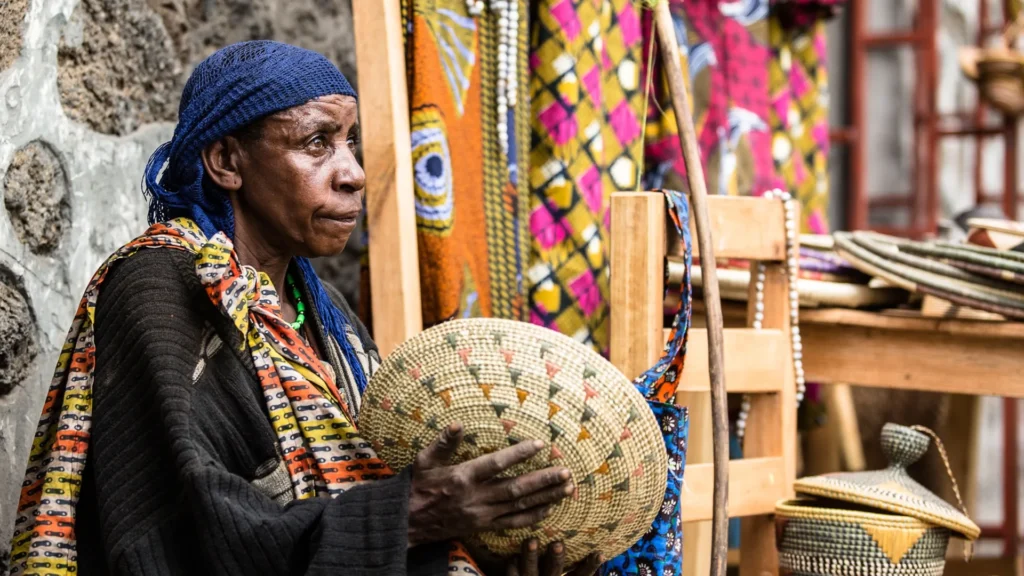
Community-based tourism in Rwanda provides opportunities for visitors to engage with local enterprises, cultural traditions and everyday activities.
Experiences may include guided village visits, craft workshops, food preparation, agricultural activities and cultural performances.
The most responsible arrangements are developed with meaningful community participation.
Visitors should choose activities where local participants receive appropriate compensation.
A community experience should not rely on unpaid performances or exploitative arrangements.
Travellers should approach local traditions with curiosity and respect.
Permission should be obtained before photographing people or entering private spaces.
Cultural activities should not be treated as opportunities to demand staged behaviour.
Not every activity marketed as “authentic” provides genuine community benefits.
Travellers should ask how the experience is organised, who receives payment and whether participants have meaningful control over the activity.
Akagera National Park provides an important example of wildlife restoration in Rwanda.
The park protects savannah, woodland, lakes and wetlands in eastern Rwanda.
Its management has involved cooperation between the Rwanda Development Board and African Parks.
Akagera has undergone major wildlife restoration initiatives.
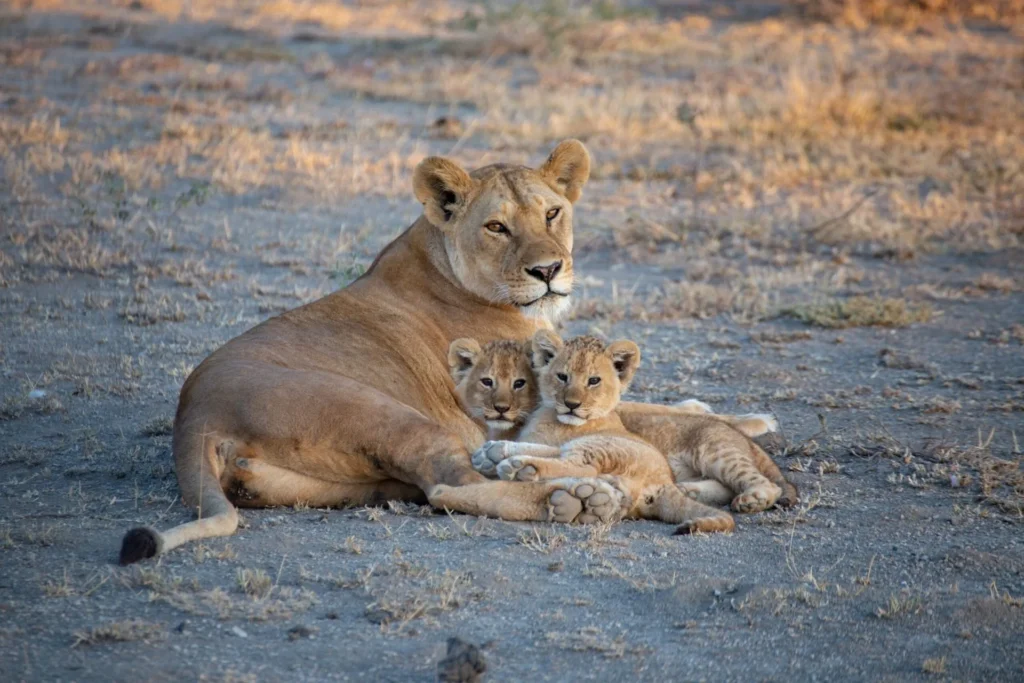
Lions were reintroduced in 2015, followed by eastern black rhinoceroses in 2017.
Southern white rhinoceroses were subsequently introduced, with further translocations strengthening the park's rhinoceros conservation role.
These initiatives have helped restore important components of the savannah ecosystem.
Reintroductions can contribute to restoring ecological relationships, including predator-prey interactions and the roles of large herbivores.
However, successful reintroduction requires appropriate habitat, monitoring, security and long-term management.
Moving animals into a park is only one stage of the conservation process.
Akagera wildlife tourism generates opportunities for park revenue, employment and conservation awareness.
Game drives and other activities can help visitors understand the importance of protecting savannah ecosystems.
Responsible guiding is essential to prevent disturbance and unsafe wildlife encounters.
Nyungwe National Park protects an important montane rainforest ecosystem in southwestern Rwanda.
The forest supports chimpanzees, other primates, birds, plants and numerous smaller organisms.
Its ecological importance extends beyond charismatic wildlife.
Forests contribute to water regulation, soil protection, carbon storage and biodiversity conservation.
Nyungwe's mountainous landscape makes these functions especially important.
Chimpanzee tracking in Nyungwe provides opportunities for conservation education and tourism revenue.
However, chimpanzees are vulnerable to disease and disturbance.
Visitors must follow tracking rules and respect the animals' natural behaviour.
Guided nature walks should remain on authorised trails.
Visitors should avoid collecting plants, disturbing wildlife or leaving litter.
Even small actions can have cumulative effects when repeated by large numbers of tourists.
Gishwati-Mukura National Park represents an important part of Rwanda's forest restoration story.
The park consists of two forest areas that have experienced historical habitat fragmentation and environmental pressure.
Conservation initiatives aim to protect remaining biodiversity and improve ecological conditions.
Fragmented forests can restrict animal movement and reduce opportunities for ecological exchange.
Restoration efforts may help improve habitat quality and support biodiversity over time.
Responsible tourism can create interest in the conservation of lesser-known forest landscapes.
However, visitor activities should develop at a pace consistent with ecological protection and management capacity.
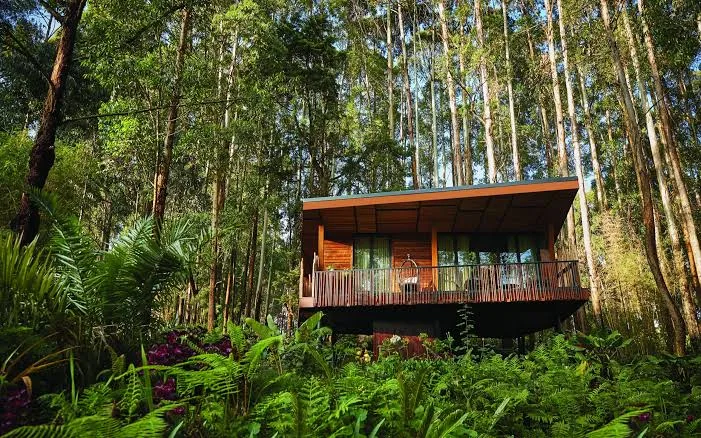
Sustainable safari lodges in Rwanda may contribute to conservation through responsible construction, energy management, water use, waste reduction and local employment.
Some properties also support habitat restoration or community initiatives.
However, sustainability claims should be examined carefully.
Lodges may use renewable energy systems or energy-efficient equipment to reduce environmental impacts.
Travellers can ask what measures are actually in place.
Water conservation is important in hospitality operations.
Responsible practices may include efficient fixtures, wastewater treatment and careful management of laundry and landscaping.
Reducing single-use plastics, managing food waste and separating recyclable materials can help limit environmental pressure.
Employing and training local staff can create meaningful economic benefits.
Travellers may ask whether the property supports professional development and local procurement.
Some lodges participate in reforestation, habitat restoration or community programmes.
Specific projects and measurable outcomes are more informative than general claims about being eco-friendly.
Transport is a significant component of the environmental footprint of international tourism.
Flights, private vehicles and long-distance transfers all contribute to emissions.
Travellers can reduce unnecessary travel by planning efficient routes and avoiding repeated journeys between the same destinations.
A carefully designed itinerary can minimise backtracking while allowing sufficient time in each destination.
Longer stays in fewer locations may provide a more relaxed experience and reduce repeated transfers.
The appropriate vehicle should match the number of passengers and road conditions.
Sharing transport can reduce the per-person impact of certain journeys, although comfort and operational requirements must also be considered.
Domestic or regional flights may save time but can increase emissions.
Travellers should consider the trade-offs between travel time, comfort and environmental impact.
Waste management is an important part of responsible travel in Rwanda.
Visitors should avoid littering, carry reusable items where practical and dispose of waste appropriately.
Rwanda is widely recognised for restrictions on plastic carrier bags, but travellers should check current rules for specific items rather than assuming all plastic products are prohibited.
Reusable water bottles can help reduce waste when safe drinking-water arrangements are available.
Travellers should also avoid leaving food packaging or other materials in national parks.
Responsible wildlife viewing applies throughout Rwanda's protected areas.
In Akagera, visitors should remain in vehicles where required and avoid encouraging drivers to approach animals too closely.
Animals should never be fed.
Noise should be kept to an appropriate level, particularly near sensitive wildlife.
In forest habitats, visitors should avoid leaving trails or disturbing nesting sites.
Photography must always be conducted within park rules.
Rwanda's cultural and historical attractions are also part of responsible tourism.
Visitors should approach memorials, museums and heritage sites with respect.
At the Kigali Genocide Memorial, appropriate conduct and adherence to site rules are essential.
Cultural tourism should support accurate interpretation and avoid sensationalising sensitive history.
The term eco-friendly Rwanda safari is widely used in tourism marketing, but not every claim has the same meaning.
Travellers should ask specific questions.
Does the operator employ qualified local guides? Does the lodge have documented environmental practices? Are community experiences fairly compensated? Does the company follow wildlife regulations?
Independent certifications can provide useful information where relevant, but they should not replace direct questions about actual operations.
Sustainability is best assessed through evidence of practices and outcomes rather than attractive promotional language.
Luxury tourism and sustainability are not automatically incompatible.
High-value tourism can generate significant conservation revenue and support employment.
However, luxury facilities may also consume substantial energy, water and other resources.
The environmental performance of a property depends on its design, operations and management.
A high nightly rate does not by itself establish environmental responsibility.
Travellers should evaluate the actual practices of each property.
Affordable Rwanda safaris can also support responsible tourism.
Using locally owned accommodation, qualified guides and efficient transport may provide meaningful economic benefits.
However, the lowest price is not always the most responsible choice.
Extremely low rates may place pressure on wages, service standards or environmental management.
The objective should be fair value and responsible operations rather than simply minimising expenditure.
Visitors influence tourism through the businesses they choose and the behaviour they demonstrate.
Respecting park regulations, supporting responsible operators and learning about conservation challenges can make a meaningful difference.
Travellers can also contribute by sharing accurate information about wildlife and avoiding social media content that encourages unsafe animal encounters.
Responsible tourism begins before departure and continues after the holiday.
Rwanda has established conservation-focused tourism policies, protected-area management programmes and community revenue-sharing initiatives. Sustainability outcomes depend on continued implementation and responsible visitor behaviour.
Permit revenue contributes to the wider conservation and tourism management system, while regulated access helps limit direct disturbance.
The Rwanda Development Board reported in 2026 that 10% of national park tourism revenues are reinvested through the Tourism Revenue Sharing Programme.
Practices vary between properties. Travellers should examine specific environmental measures rather than relying on general marketing claims.
Choose responsible local guides, accommodation and community experiences that provide fair economic benefits.
It can be compatible with responsible tourism when photographers follow park rules and avoid disturbing animals.
The decision depends on travel needs. Efficient road routes may reduce some emissions, but travellers should assess time, comfort and practical circumstances.
Yes. Follow authorised routes, respect wildlife distances, avoid littering and comply with ranger instructions.
It refers to tourism experiences in which local communities participate meaningfully in organisation and benefits.
Look for specific evidence of environmental practices, community benefits and measurable outcomes rather than vague claims.
At Gorilla Rwanda Safaris, we encourage travellers to appreciate Rwanda's wildlife and landscapes through responsible, well-planned tourism.
Our team can provide guidance on regulated wildlife activities, suitable accommodation, professional guiding and opportunities to explore Rwanda's national parks and communities respectfully.
Contact us to discuss a sustainable Rwanda safari that combines memorable experiences with awareness of conservation, local livelihoods and the importance of protecting the country's natural heritage.