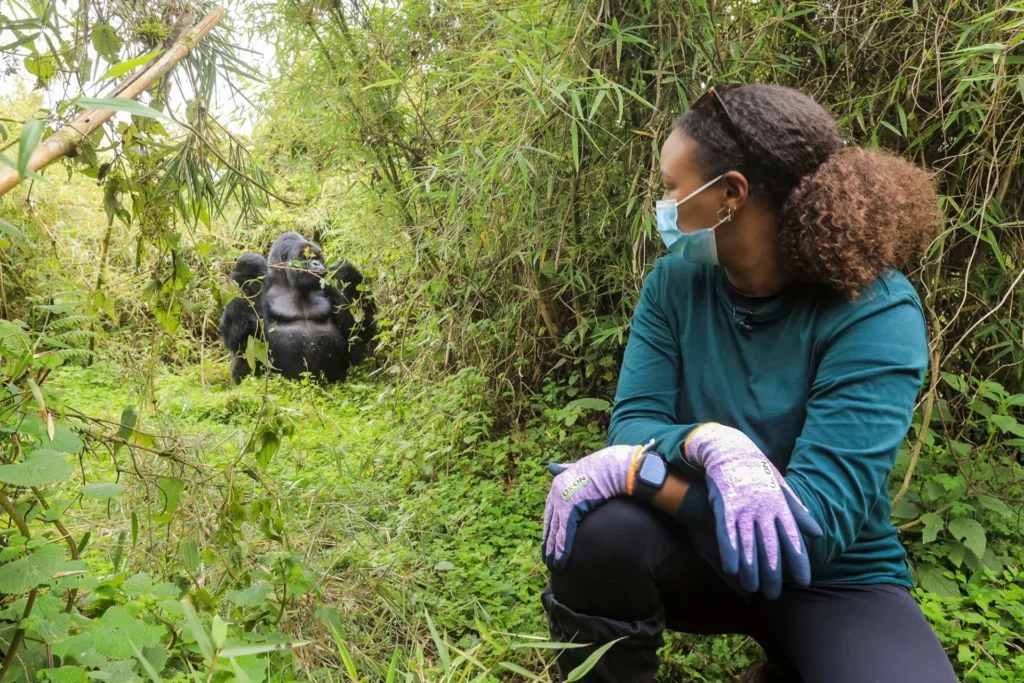
1 Day Bwindi Gorilla Trek
A one-day mountain gorilla trek in Bwindi for travellers who are already in southwestern Uganda.
View SafariHandpicked Kenya Safari Tours for Every Traveler
The national parks in Rwanda protect some of East Africa's most remarkable landscapes and wildlife habitats.
Rwanda's protected-area network covers several important ecological regions.
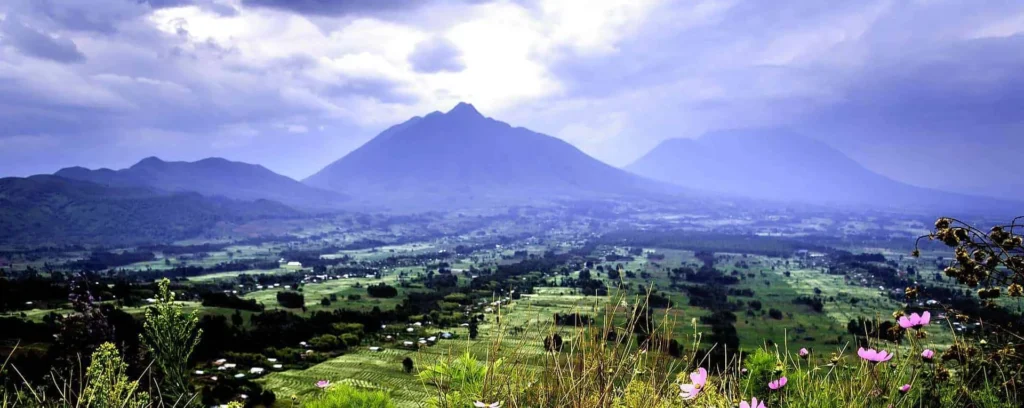
Volcanoes National Park lies in the northwestern highlands and forms part of the Virunga volcanic landscape.
Akagera National Park occupies eastern Rwanda, where grasslands, woodland, lakes and wetlands support savannah wildlife.
Nyungwe National Park protects montane rainforest in southwestern Rwanda.
Gishwati-Mukura National Park consists of two forest areas in western Rwanda and is particularly important for habitat restoration.
These parks are not interchangeable. Each offers a distinct experience shaped by geography, vegetation and wildlife.
Showing 1–12 of 222 safaris
A one-day mountain gorilla trek in Bwindi for travellers who are already in southwestern Uganda.
View SafariA single day in Kampala for the kasubi and palace area, a cultural show, and a market or…
View SafariA full day in Kigali covering the Genocide Memorial, a neighborhood market, and one or two museums.
View SafariA single day on Mount Bisoke, with the crater lake as the turnaround point.
View SafariThe 1 Day Rwanda Family Safari offers an exciting and educational wildlife adventure for families visiting Rwanda.
View SafariThe 3 Day Rwanda Gorilla and Akagera Safari combines mountain gorilla trekking in Volcanoes National Park with wildlife…
View SafariThe 4 Day Rwanda Gorilla and Nyungwe Safari combines mountain gorilla trekking in Volcanoes National Park with chimpanzee…
View SafariThe 1 Day Rwanda Gorilla Trekking Safari offers an unforgettable opportunity to encounter endangered mountain gorillas in their…
View SafariThe 1 Day Rwanda Honeymoon Safari offers couples a romantic escape to the beautiful shores of Lake Kivu,…
View SafariThe 1 Day Rwanda Luxury Safari offers an exclusive wildlife experience in Akagera National Park, Rwanda's premier Big…
View SafariThe 1 Day Rwanda Primates Safari offers an exciting opportunity to encounter Rwanda's endangered golden monkeys in the…
View SafariThe 1 Day Rwanda Wildlife Safari offers an exciting opportunity to explore Akagera National Park, Rwanda's premier savannah…
View SafariVolcanoes National Park is Rwanda's most internationally recognised protected area.
Located in the northwest, the park forms part of the Virunga Massif, a chain of volcanic mountains shared by Rwanda, Uganda and the Democratic Republic of the Congo.
Its landscape includes bamboo forests, montane vegetation, high-altitude habitats and dramatic volcanic peaks.
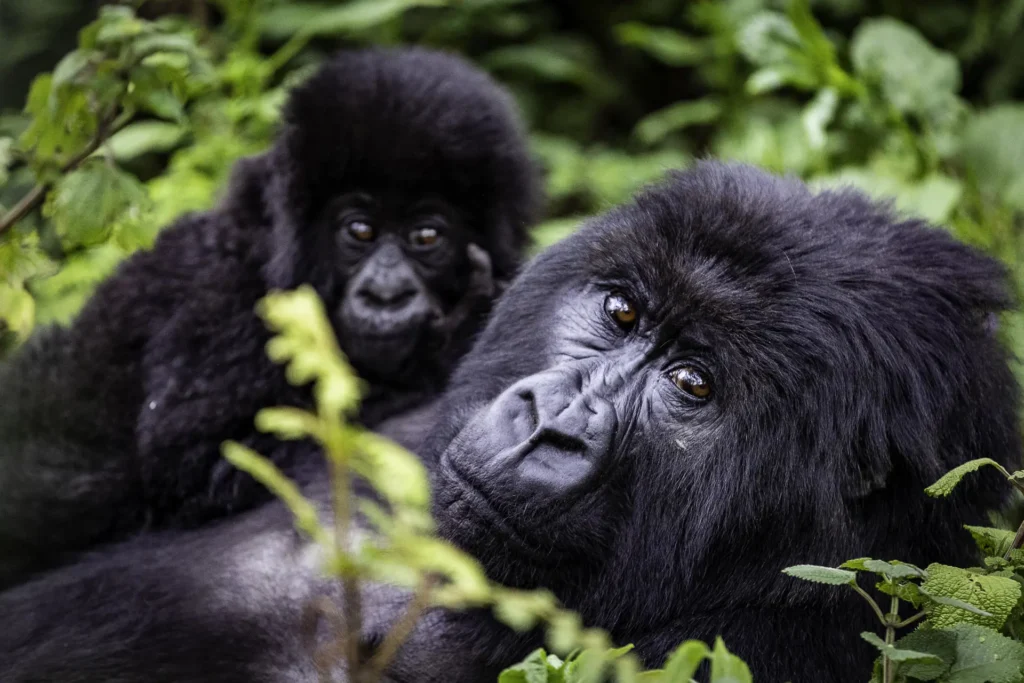
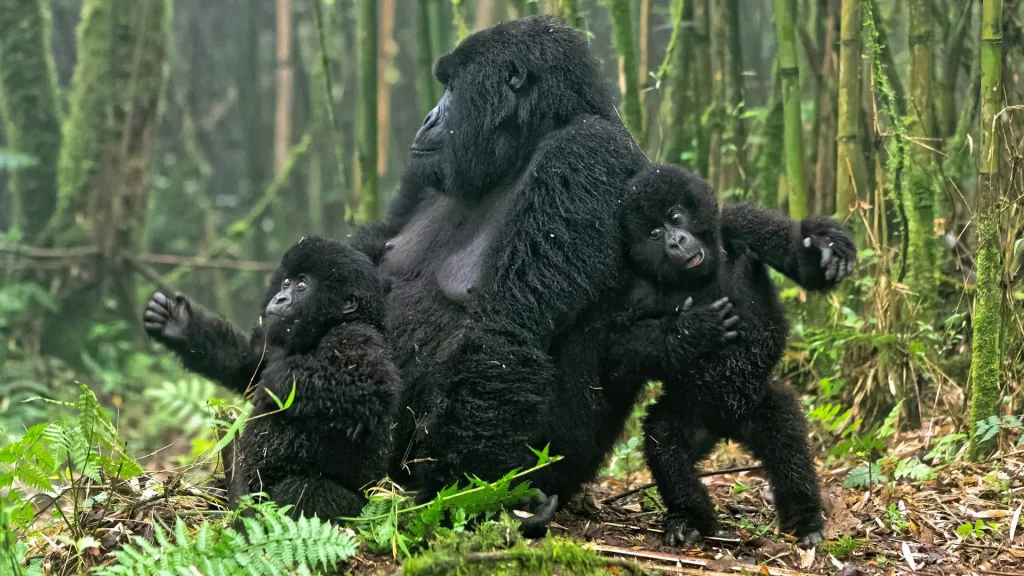
The principal attraction is gorilla trekking in Volcanoes National Park.
Visitors enter the forest with professional guides and trackers to locate habituated mountain gorilla families.
Once a group is located, visitors generally spend up to one hour observing the animals.
The gorillas remain wild, so walking times, sightings and conditions cannot be guaranteed.
The standard international Rwanda gorilla permit costs USD 1,500, subject to current official tariffs and visitor eligibility.
The minimum trekking age is generally 15 years.
Permits are limited and should be arranged in advance.
Golden monkey trekking offers an opportunity to observe another important Virunga primate.
These monkeys inhabit bamboo-rich areas and are known for their energetic movements.
A separate activity booking is generally required.
Volcanoes National Park also offers guided mountain hiking.
Mount Bisoke is known for its crater lake, while Mount Karisimbi is Rwanda's highest mountain.
These hikes require appropriate fitness and equipment.
Volcanoes National Park is central to mountain gorilla conservation.
Protected-area management, scientific research, veterinary monitoring and community engagement contribute to the protection of the species.
The park is commonly accessed through the Musanze and Kinigi areas.
The road journey from Kigali generally takes approximately two to three hours, depending on the starting point and conditions.
Akagera National Park is Rwanda's principal traditional wildlife safari destination.
Located in eastern Rwanda near the Tanzanian border, the park protects a varied landscape of savannah, woodland, wetlands and lakes.
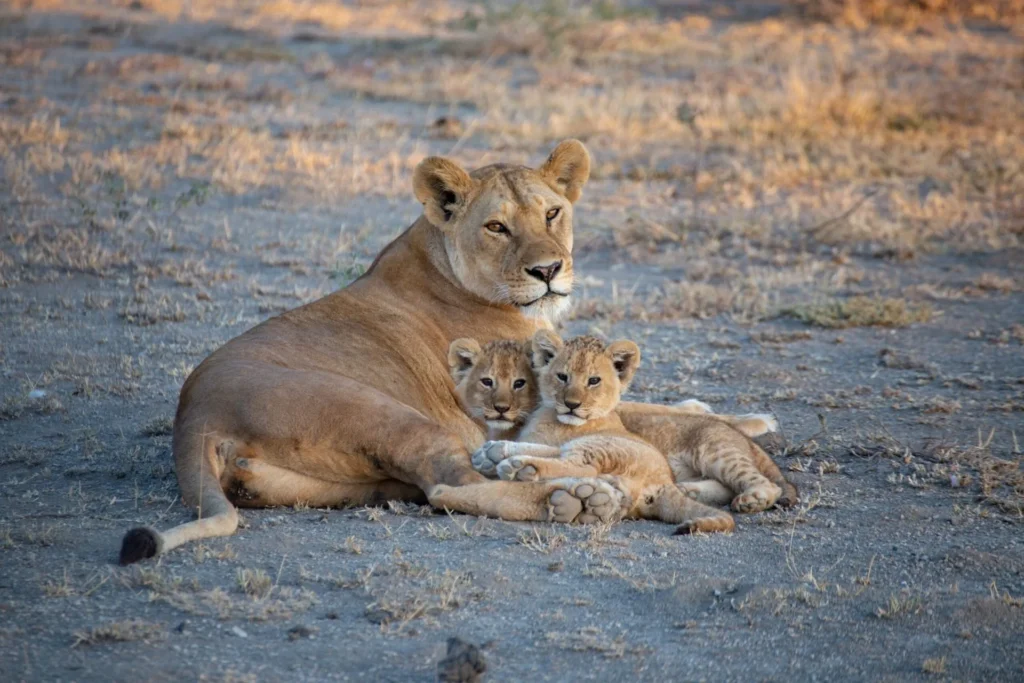
Akagera supports lions, leopards, elephants, buffaloes and rhinoceroses.
The restoration of lions and rhinoceroses has been an important part of the park's conservation recovery.
Visitors may also encounter giraffes, zebras, antelope and numerous other animals.
Akagera game drives allow visitors to explore different habitats in search of wildlife.
Morning and late-afternoon drives can be rewarding, although sightings depend on natural conditions.
The park's size means that visitors benefit from allowing sufficient time to explore its varied landscapes.
Lake Ihema is one of Akagera's important wetland attractions.
Boat excursions offer opportunities to observe hippos, crocodiles and waterbirds.
The activity provides a contrasting perspective to road-based game viewing.
Akagera is an important destination for savannah and wetland birds.
Its habitats support raptors, waterbirds and numerous woodland species.
Akagera is managed through a partnership involving the Rwanda Development Board and African Parks.
The park has undergone major wildlife restoration initiatives, including species reintroductions and strengthened conservation management.
Akagera is commonly reached by road from Kigali.
Travelling time depends on the entrance used, road conditions and the intended destination within the park.
Nyungwe National Park protects an extensive montane rainforest in southwestern Rwanda.
Its environment differs considerably from the open savannah of Akagera and the volcanic landscapes of Volcanoes National Park.
The forest contains chimpanzees, other primates, specialised birds, waterfalls and diverse vegetation.
Chimpanzee tracking in Nyungwe is one of the park's principal attractions.
Visitors enter the forest with trained guides and trackers to search for wild chimpanzee communities.
Chimpanzees are highly mobile and may spend considerable time in trees.
The experience requires patience and suitable walking equipment.
Nyungwe supports several other primate species.
Black-and-white colobus monkeys are particularly notable, while other forest monkeys contribute to the park's biodiversity.
The Nyungwe canopy walkway offers elevated views of the rainforest.
The suspended walkway is reached through a guided forest trail.
It provides opportunities to appreciate the structure of the forest canopy and surrounding landscape.
Nyungwe contains guided walking trails leading through different forest environments.
Some routes provide access to waterfalls and scenic viewpoints.
The terrain can be steep and muddy, particularly during rainy periods.
Nyungwe birdwatching is particularly important for species associated with the Albertine Rift.
Specialist guides can help visitors locate birds in dense vegetation.
Nyungwe contributes to the protection of montane rainforest biodiversity and important ecological functions.
The forest also plays a role in water regulation, soil protection and wider environmental processes.
Nyungwe is located southwest of Kigali.
Road travel typically takes several hours, and the exact journey depends on accommodation and activity starting points.
Gishwati-Mukura National Park is Rwanda's fourth national park.
It consists of two forest areas, Gishwati and Mukura, located in western Rwanda.
The park is particularly significant because of efforts to protect and restore fragmented montane forest habitats.
The park supports primates, forest birds and other wildlife associated with montane ecosystems.
Species recorded in the wider landscape include chimpanzees, golden monkeys and other forest monkeys.
However, the presence of a species does not mean that a standard tourist viewing activity is available.
Historical land-use pressures contributed to forest fragmentation.
Conservation initiatives seek to protect remaining habitat and improve ecological conditions.
Guided forest experiences and birdwatching may be available according to current park operations.
Travellers should verify access arrangements before planning a visit.
The park is particularly relevant to conservation enthusiasts and travellers interested in less-visited natural areas.
Its importance lies in the broader story of habitat recovery and biodiversity protection.
The best park depends on the species or experience a traveller hopes to encounter.
Volcanoes National Park is Rwanda's established mountain gorilla trekking destination.
Akagera National Park is the country's principal Big Five safari park.
Nyungwe National Park is Rwanda's main established chimpanzee tracking destination.
Volcanoes National Park offers recognised golden monkey tracking activities.
Nyungwe is particularly important for Albertine Rift forest species.
Akagera offers the strongest combination of open savannah and wetland birding habitats.
The parks also differ in scenery.
Volcanoes National Park is characterised by mountain peaks, bamboo and high-altitude vegetation.
Akagera National Park contains grasslands, woodland, lakes and marshes.
Nyungwe National Park features dense rainforest, steep valleys and waterfalls.
Gishwati-Mukura National Park protects montane forest fragments and restoration landscapes.
These differences are important for photographers, hikers and travellers interested in ecology.
Families may find Akagera National Park particularly suitable because wildlife viewing generally takes place from vehicles.
Game drives can provide opportunities to observe large mammals without demanding forest walks.
Selected nature activities in other parks may also be appropriate.
However, gorilla trekking has a minimum age of 15 years, and other activities may have specific age or fitness requirements.
Families should confirm these rules before booking.
Volcanoes National Park is particularly attractive for honeymooners seeking an exceptional wildlife experience and luxury mountain accommodation.
Nyungwe offers rainforest scenery and opportunities for nature-focused relaxation.
Akagera provides traditional safari experiences in attractive wilderness settings.
The best choice depends on whether the couple prefers primates, savannah wildlife, scenery or a combination of experiences.
Volcanoes National Park is a leading destination for mountain gorilla photography.
Akagera offers savannah wildlife and open landscape photography.
Nyungwe is particularly attractive for forest birds, primates and rainforest scenery.
Gishwati-Mukura may appeal to photographers interested in conservation landscapes, subject to available access.
Each environment requires different equipment and techniques.
Rwanda national park fees vary according to the park, visitor category and activity.
Gorilla trekking, chimpanzee tracking, golden monkey tracking, guided walks and other activities may have separate charges.
Some parks also apply entrance fees based on nationality, residency or duration of stay.
Travellers should verify current official tariffs before booking.
The standard international gorilla permit is USD 1,500, subject to applicable rules.
Chimpanzee tracking requires its own activity arrangements and fees.
Akagera applies park entry charges that depend on visitor category and other relevant conditions.
Boat excursions, nature walks and specialist activities may be charged separately.
A safari quotation should explain all applicable fees clearly.
Rwanda's national parks can be visited throughout the year, but seasonal conditions influence activities.
The relatively drier periods from June to September and December to February are popular for trekking and hiking.
Rainy periods can create muddy forest trails but also produce lush landscapes.
Wildlife viewing in Akagera depends on vegetation, water availability and animal movements.
Birdwatching interests may vary with breeding behaviour and migratory patterns.
The best season therefore depends on the specific park and activities.
Most visitors travel between Rwanda's national parks by road.
A private vehicle and professional guide can provide flexibility and help coordinate activities.
The journey to the Musanze region generally takes approximately two to three hours.
The journey to Akagera's southern entrance commonly takes approximately two to three hours, depending on conditions.
Nyungwe is farther from Kigali, and travel generally requires a substantial part of the day.
Direct journeys between parks can be longer than expected because of terrain and road routes.
Travellers should avoid assuming that Rwanda's compact size makes every transfer short.
Accommodation ranges from comfortable guesthouses and mid-range lodges to premium wilderness properties.
The Musanze and Kinigi regions offer a range of accommodation suitable for gorilla trekking.
Akagera offers safari lodges and tented camps associated with different parts of the park.
Accommodation near Nyungwe includes properties around the forest and surrounding tea-growing areas.
Accommodation and visitor infrastructure are more limited and should be checked in advance.
The best property is not always the most expensive. Location relative to activity starting points is particularly important.
Rwanda's protected areas contribute to the conservation of endangered species, habitats and ecological processes.
Volcanoes is central to mountain gorilla protection.
Akagera demonstrates the importance of wildlife restoration and savannah management.
Nyungwe protects montane rainforest biodiversity.
Gishwati-Mukura contributes to forest restoration and habitat conservation.
Tourism can support these objectives through park revenue, employment and conservation awareness.
However, visitor activities must remain carefully managed to minimise disturbance.
Visitors should follow park regulations and ranger instructions.
Wildlife should never be fed or approached irresponsibly.
Flash photography is prohibited during gorilla encounters.
Travellers should remain on authorised routes and avoid littering.
Health precautions are especially important during great ape tourism.
Responsible behaviour helps protect both wildlife and future visitor experiences.
Rwanda has four national parks: Volcanoes, Akagera, Nyungwe and Gishwati-Mukura.
Volcanoes National Park is Rwanda's mountain gorilla trekking destination.
Akagera National Park supports the Big Five.
Nyungwe National Park is Rwanda's principal established chimpanzee tracking destination.
Gishwati-Mukura is Rwanda's fourth and most recently established national park.
Yes, with sufficient travel time and advance arrangements. Activities and visitor access vary between parks.
Akagera and Volcanoes are both relatively accessible from Kigali, although exact journey times depend on the destination within each park.
Many activities operate throughout the year, but availability, weather and park procedures may affect access.
Certain activities require authorised park guides. A professional safari guide is also valuable for wildlife interpretation and logistics.
No. Wildlife remains free-ranging, and sightings depend on natural conditions.
At Gorilla Rwanda Safaris, we help travellers discover the country's four remarkable national parks through private wildlife experiences and carefully coordinated travel arrangements.
Our team can advise on Volcanoes gorilla trekking, Akagera Big Five safaris, Nyungwe chimpanzee tracking and conservation-focused visits to Gishwati-Mukura.
Contact us to plan a journey that reflects your interests, preferred accommodation standard and available travel time while supporting responsible exploration of Rwanda's national parks.