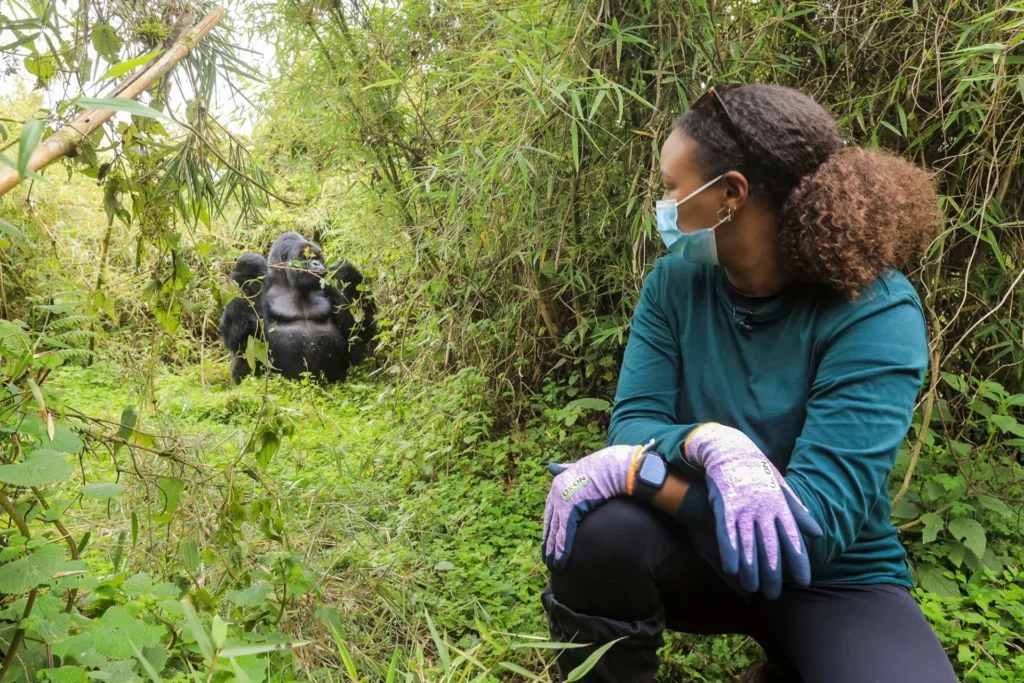
1 Day Bwindi Gorilla Trek
A one-day mountain gorilla trek in Bwindi for travellers who are already in southwestern Uganda.
View SafariHandpicked Kenya Safari Tours for Every Traveler
Student travel in Rwanda offers opportunities to explore African wildlife, environmental conservation, history, cultural heritage and sustainable tourism within one of East Africa's most distinctive destinations.
Rwanda offers an unusually diverse educational environment within a relatively compact geographical area.
Students can explore high-altitude forests, volcanic landscapes, savannah ecosystems, wetlands, lakes and urban environments without travelling across several countries.
This geographical variety is particularly valuable for academic groups studying environmental science, conservation or tourism.
The country's protected areas also provide examples of how wildlife conservation, tourism development and community livelihoods interact.
Rwanda conservation tours allow students to examine questions that are often discussed theoretically in classrooms.
How should endangered species be protected? How can tourism contribute to conservation funding? What responsibilities do visitors have towards wildlife and surrounding communities?
These questions become more meaningful when students visit protected areas and observe how tourism activities are managed.
Rwanda's history and contemporary development offer important learning opportunities.
Students can explore museums, memorials, cultural centres and community initiatives through appropriately guided experiences.
Educational programmes should encourage respectful discussion and avoid reducing Rwanda's identity to any single historical event.
Outdoor activities can complement academic learning.
Gorilla trekking, wildlife game drives, forest walks, birdwatching and selected hiking experiences allow students to engage directly with natural environments.
However, activities should be chosen according to participant ages, fitness, budgets and institutional requirements.
Showing 1–12 of 216 safaris
A one-day mountain gorilla trek in Bwindi for travellers who are already in southwestern Uganda.
View SafariA single day in Kampala for the kasubi and palace area, a cultural show, and a market or…
View SafariA full day in Kigali covering the Genocide Memorial, a neighborhood market, and one or two museums.
View SafariA single day on Mount Bisoke, with the crater lake as the turnaround point.
View SafariThe 1 Day Rwanda Family Safari offers an exciting and educational wildlife adventure for families visiting Rwanda.
View SafariThe 3 Day Rwanda Gorilla and Akagera Safari combines mountain gorilla trekking in Volcanoes National Park with wildlife…
View SafariThe 4 Day Rwanda Gorilla and Nyungwe Safari combines mountain gorilla trekking in Volcanoes National Park with chimpanzee…
View SafariThe 1 Day Rwanda Gorilla Trekking Safari offers an unforgettable opportunity to encounter endangered mountain gorillas in their…
View SafariThe 1 Day Rwanda Honeymoon Safari offers couples a romantic escape to the beautiful shores of Lake Kivu,…
View SafariThe 1 Day Rwanda Luxury Safari offers an exclusive wildlife experience in Akagera National Park, Rwanda's premier Big…
View SafariThe 1 Day Rwanda Primates Safari offers an exciting opportunity to encounter Rwanda's endangered golden monkeys in the…
View SafariThe 1 Day Rwanda Wildlife Safari offers an exciting opportunity to explore Akagera National Park, Rwanda's premier savannah…
View SafariNot every student group has the same objectives.
A university conservation field trip requires a different programme from a secondary-school cultural visit or an independent backpacking holiday.
University trips to Rwanda can support courses in biology, ecology, geography, tourism, development studies, history and cultural studies.
A university programme may combine protected-area visits with guided discussions, observation exercises and relevant institutional meetings.
Specialist meetings and academic access must be requested and confirmed in advance.
Rwanda school trips should prioritise age-appropriate learning, supervision and safeguarding.
Activities must comply with official minimum-age requirements and the school's own travel policies.
For younger students, cultural attractions, selected wildlife drives and suitable nature experiences may be more appropriate than strenuous trekking.
Independent students may be interested in budget travel in Rwanda, cultural experiences, hiking and wildlife excursions.
Affordable accommodation and shared transport can help control costs, although remote national parks often require more specialised arrangements.
Students interested in conservation may focus on protected-area management, biodiversity and sustainable tourism.
These programmes should distinguish ordinary educational visits from formal research activities, which may require separate permissions.
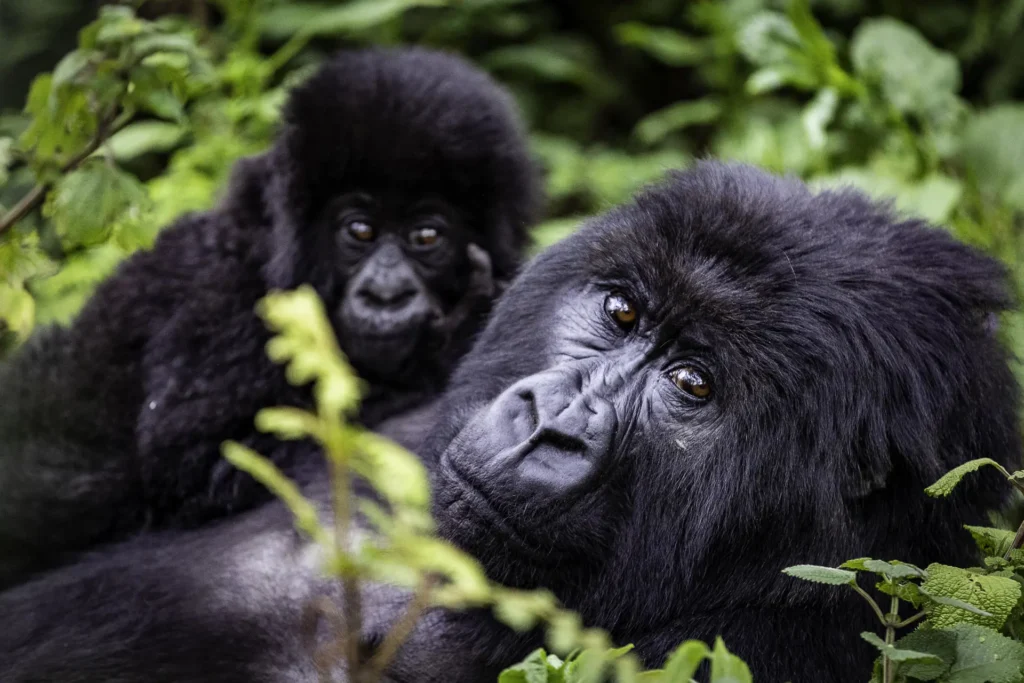
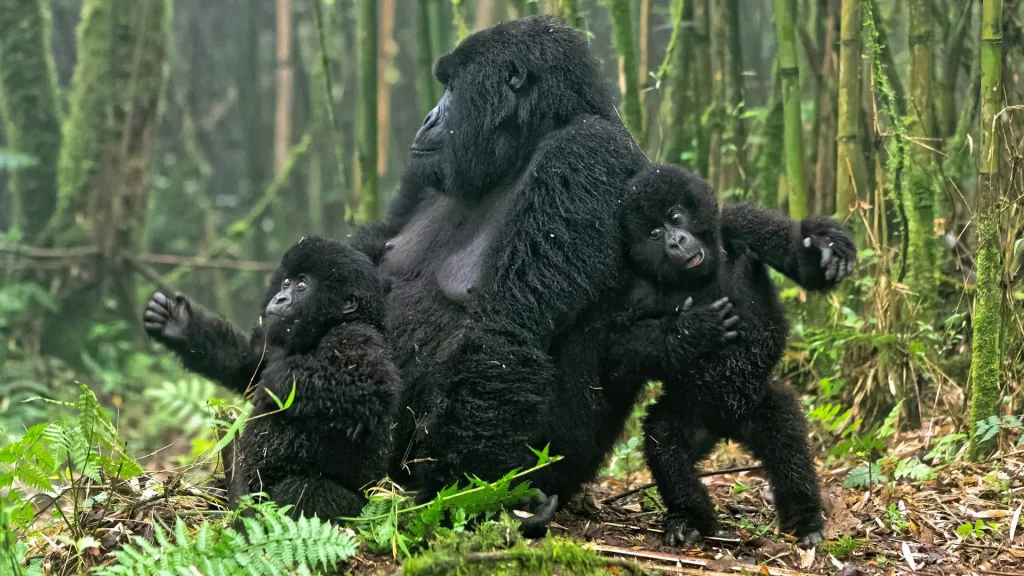
Gorilla trekking in Rwanda is among the country's most internationally recognised wildlife experiences.
Volcanoes National Park protects endangered mountain gorillas in the Virunga volcanic ecosystem.
Visitors join regulated trekking groups accompanied by trained park guides and trackers.
The experience provides opportunities to observe gorilla behaviour and understand the importance of protecting vulnerable wildlife populations.
For students of conservation biology, primatology and environmental science, mountain gorilla trekking can provide valuable insights into wildlife protection.
Students can learn about habitat conservation, human-wildlife interactions, tourism regulation and the economic relationships between protected areas and surrounding communities.
The encounter also demonstrates why wildlife tourism requires strict visitor controls.
The standard minimum age for Rwanda gorilla trekking is 15 years.
This restriction is particularly important for school groups.
Teachers and organisers should verify participant ages before making permit reservations.
Students below the minimum age should be offered suitable alternative activities.
The standard international visitor Rwanda gorilla trekking permit is generally USD 1,500 per person.
Students should not assume that educational status automatically qualifies them for a discount.
Any official concessions depend on current eligibility requirements and must be confirmed before booking.
For student groups with limited budgets, gorilla trekking may be an optional activity rather than a compulsory part of the educational programme.
Visitors must follow official park regulations, including health precautions, viewing distances and restrictions on photography.
Gorillas are vulnerable to human diseases, making responsible visitor behaviour especially important.
Students should understand that the purpose of regulated tourism is to observe wildlife without compromising animal welfare.
The Volcanoes National Park region offers educational value beyond gorilla trekking.
Its volcanic landscapes, montane ecosystems and conservation history make it relevant to environmental studies.
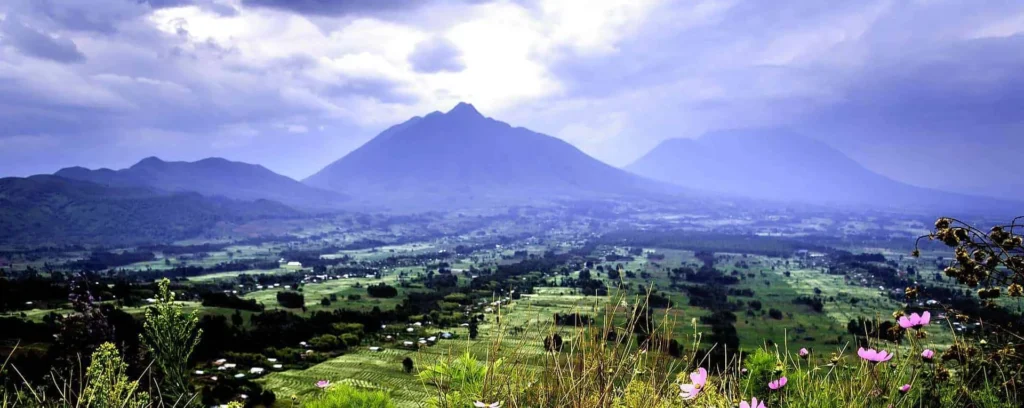
The Virunga mountains provide opportunities to examine volcanic landforms, altitude-related vegetation and the relationship between geography and human settlement.
Students interested in physical geography may find the region particularly rewarding.
Golden monkey trekking introduces visitors to another distinctive primate species associated with the Virunga highlands.
The activity can support discussions about biodiversity, habitat protection and the conservation of species beyond mountain gorillas.
Official age requirements and permit arrangements should be checked before booking.
Communities surrounding the park participate in tourism through guiding, hospitality, cultural activities and other services.
Responsible visits can help students examine how tourism creates economic opportunities and how conservation policies affect local livelihoods.
Mountain gorilla tourism provides an important example of the relationship between wildlife conservation and visitor spending.
Students can explore the benefits and challenges of using tourism revenue to support protected areas and surrounding communities.
Akagera National Park is an important destination for Rwanda wildlife education.
Situated in eastern Rwanda, the park protects savannah, woodland, wetland and lake ecosystems.
It supports the Big Five, including lions, leopards, elephants, buffaloes and rhinoceroses.
For students, Akagera provides opportunities to examine ecological relationships and the management of a protected wildlife landscape.
Guided game drives can introduce students to different habitat types and the animals that occupy them.
Observing herbivores, predators and vegetation can support discussions about food webs, competition and ecosystem balance.
Akagera's conservation history includes the restoration of important wildlife populations.
The reintroduction of lions and rhinoceroses provides opportunities to discuss species recovery, habitat management and long-term conservation planning.
Students should understand that wildlife restoration requires monitoring, suitable habitat and continuing management.
Lake Ihema and the surrounding wetlands support hippos, crocodiles, fish and numerous bird species.
A guided boat excursion can introduce students to wetland ecology and the importance of freshwater ecosystems.
Akagera also provides a useful context for discussing the challenges of managing wildlife near human communities.
Educational discussions can examine protected-area boundaries, conservation benefits and the importance of cooperation between park managers and neighbouring populations.
Nyungwe Forest National Park is one of Rwanda's most important destinations for environmental education.
The park protects extensive montane rainforest with significant biodiversity.
Its ecosystems support primates, birds, plants and numerous other organisms.
Students can explore forest structure, plant diversity, ecological relationships and the importance of intact forest habitats.
Guided nature walks provide opportunities to observe different vegetation layers and learn about rainforest ecosystems.
Chimpanzee trekking in Nyungwe can be particularly relevant to students interested in primate behaviour and conservation.
Chimpanzees are highly social animals that move through complex forest environments.
However, trekking conditions can be physically demanding, and sightings depend on the animals' movements.
Nyungwe is recognised for its rich birdlife, including species associated with the Albertine Rift region.
Birdwatching can support lessons in biodiversity, habitat specialisation and conservation.
Montane forests play an important role in water catchment systems.
Nyungwe provides opportunities to discuss the relationship between forest conservation, rainfall, watersheds and surrounding communities.
The Nyungwe canopy walkway provides elevated views of the rainforest.
It can help students appreciate forest structure from a different perspective.
Participants must meet applicable activity requirements and should be comfortable with heights.
Kigali is an important destination for educational travel.
The capital provides opportunities to explore Rwanda's history, cultural institutions, contemporary art and urban development.
The Kigali Genocide Memorial is a significant educational and commemorative site.
It documents the 1994 Genocide against the Tutsi and supports remembrance and historical understanding.
Visits should be approached with sensitivity, particularly when participants are young.
Teachers should prepare students for the subject matter and provide opportunities for reflection.
Museums and cultural centres can introduce students to Rwanda's heritage, traditions and contemporary society.
Educational visits should be selected according to the group's learning objectives.
Kigali's art galleries and creative spaces provide opportunities to explore contemporary Rwandan artistic expression.
Students interested in design, entrepreneurship and cultural studies may find these experiences particularly valuable.
Kigali can also serve as a setting for discussions about urban planning, infrastructure, tourism and economic development.
Students should be encouraged to examine both achievements and continuing challenges rather than relying on simplified impressions.
Lake Kivu offers educational opportunities related to geography, aquatic ecosystems and local livelihoods.
The lake lies along Rwanda's western border and is surrounded by hills and lakeside settlements.
Students can examine the lake's location within the western branch of the East African Rift system.
The surrounding landscape provides opportunities to discuss geological processes and regional geography.
Lake Kivu has distinctive physical and chemical characteristics, including dissolved gases in deep water.
These characteristics make it an interesting subject for environmental science and geography.
Students should use credible scientific information when studying the lake rather than relying on simplified tourism descriptions.
Lakeside communities depend on a range of economic activities, including fishing, agriculture and tourism.
Responsible guided visits can introduce students to the relationship between natural resources and local livelihoods.
Suitable student activities may include guided boat excursions, kayaking and selected walking experiences.
Water-based activities require appropriate safety equipment, supervision and reputable operators.
Gishwati-Mukura National Park provides another interesting subject for students studying conservation.
The protected area includes forest ecosystems that have experienced significant environmental pressures.
Its conservation story can support discussions about habitat restoration, forest fragmentation and biodiversity protection.
Educational access and available activities should be confirmed with the relevant authorities.
The park should not be treated as offering the same established tourism infrastructure as Rwanda's larger national parks.
Community experiences can add substantial educational value to a Rwanda student tour.
However, responsible tourism requires more than simply visiting a village or watching a cultural performance.
Students should consider whether an activity is requested by the community, fairly compensated and respectful of local people.
Well-organised cultural encounters can introduce students to traditional crafts, music, food and everyday life.
Activities should encourage respectful interaction rather than presenting communities as tourist exhibits.
Visits to appropriate community enterprises may help students understand small-business development and tourism-related livelihoods.
Students should ask permission before photographing individuals.
Special care is required when photographing children or people in vulnerable circumstances.
Educational groups should avoid activities that create unnecessary dependency, disregard privacy or encourage inappropriate interactions with vulnerable communities.
Some travellers are interested in volunteering in Rwanda or participating in conservation-related projects.
It is important to distinguish genuine educational or volunteer placements from ordinary tourist activities.
Formal research in protected areas may require authorisation from relevant institutions.
A standard tourism permit does not automatically allow scientific sampling, research interviews or restricted-area access.
Students should investigate the legitimacy of organisations offering placements.
Important considerations include supervision, safeguarding, community involvement and the actual value of the work.
Short-term volunteering can sometimes create more problems than benefits if projects are poorly organised.
Students should prioritise programmes with clear objectives, appropriate oversight and demonstrable local involvement.
Affordable student travel in Rwanda requires careful budgeting.
The largest expenses often include transport, accommodation, national park permits and specialised activities.
Sharing a suitable vehicle can reduce costs per participant.
However, organisers must account for passenger capacity, luggage, comfort and supervision.
Budget hotels, guesthouses and group-friendly properties may offer better value than luxury safari lodges.
Safety, cleanliness and location should remain important selection criteria.
Not every educational programme needs to include gorilla trekking.
A carefully planned combination of cultural visits, wildlife drives and suitable nature experiences can provide substantial educational value at a lower cost.
Park entry fees and activity permits should be confirmed before finalising the budget.
Rates may differ according to nationality, residency, age and other official categories.
Group organisers should clearly distinguish included meals from personal spending.
This helps students and families understand the full cost of participation.
The best accommodation for Rwanda student group travel depends on group size, participant ages and educational objectives.
These properties may be suitable for university students and independent travellers.
Organisers should assess security, room arrangements, sanitation and access to transport.
Some lodges can accommodate educational groups near national parks.
Availability and room configurations should be checked well in advance.
School groups may need separate accommodation arrangements for teachers and students.
Safeguarding policies should guide room allocation, supervision and emergency procedures.
Safety planning is essential for all educational travel.
Schools and universities should establish clear responsibilities for group leaders.
Younger students require appropriate adult supervision throughout the journey.
Organisers should maintain emergency contacts, participant information and procedures for responding to unexpected situations.
Insurance should cover medical treatment, emergency evacuation and planned activities.
Travellers should obtain appropriate professional advice about vaccinations, medication and other health considerations.
Students must follow national park regulations and guide instructions.
Wild animals should never be approached, fed or disturbed.
Travel schedules should allow realistic journey times and suitable rest stops.
Long-distance transfers should be planned with passenger comfort and safety in mind.
The ideal season depends on academic schedules and the activities being planned.
This relatively dry period is popular for outdoor activities, wildlife safaris and gorilla trekking.
These months may also provide comparatively favourable conditions for travel.
The longer rainy season can bring muddy trails and more demanding outdoor conditions.
However, it may also be relevant to environmental studies focused on seasonal ecosystems.
The shorter rainy season can influence trekking and outdoor activities.
Educational institutions should consider weather alongside examination schedules, academic calendars and budget constraints.
A Rwanda Uganda student tour can broaden the range of educational experiences.
Uganda offers additional opportunities to study primate conservation, savannah ecology and tourism.
Bwindi gorilla trekking provides another context for mountain gorilla conservation.
Uganda's standard foreign non-resident gorilla permit is generally USD 800, subject to current official rates.
Kibale National Park is known for chimpanzee tracking and primate diversity.
It can be relevant to students studying primatology and forest ecology.
Queen Elizabeth National Park offers wildlife viewing and wetland experiences, including the Kazinga Channel boat safari.
Cross-border programmes require careful planning of travel documents, transport and activity schedules.
A strong Rwanda educational safari should begin with clearly defined objectives.
A conservation biology group may prioritise protected areas and wildlife ecology.
A geography group may focus on volcanic landscapes, lakes and land use.
A tourism management group may examine accommodation, guiding, visitor management and community tourism.
A history or cultural studies group may spend more time in Kigali and selected cultural institutions.
This approach produces more meaningful educational outcomes than simply including every popular tourist attraction.
Yes. Rwanda offers opportunities to study conservation, ecology, history, tourism, geography and contemporary African society.
Yes, provided they meet the minimum age and other official requirements and have valid permits.
A student discount should not be assumed. Official concessions must be verified according to current eligibility rules.
The standard minimum age is 15 years.
Yes. Group transport, appropriate accommodation and careful activity selection can help control costs.
Yes. Programmes should include age-appropriate activities, safeguarding arrangements and suitable supervision.
Yes. It offers valuable opportunities to learn about savannah wildlife, wetland ecosystems and conservation management.
Yes, subject to applicable activity requirements and physical suitability.
Yes. Rwanda's protected areas provide relevant examples of biodiversity conservation, tourism management and habitat restoration.
Potentially, but placements should be arranged through legitimate organisations with appropriate permissions and supervision.
Yes. Combined programmes can expand educational opportunities, although additional travel logistics are involved.
The appropriate duration depends on learning objectives, budget and destinations. A focused programme can be more valuable than an overly ambitious itinerary.
Suitable clothing, comfortable footwear, rain protection, sun protection, personal medication and any required educational materials.
Comprehensive travel insurance is strongly recommended, and institutions may make it compulsory.
Student travel in Rwanda offers an opportunity to connect academic learning with wildlife, landscapes, history and communities.
Whether organising a university conservation field trip, a Rwanda school educational tour, a wildlife study programme or an affordable student adventure, careful planning can create an experience that is both informative and memorable.
At Gorilla Rwanda Safaris, we help coordinate suitable transport, accommodation, national park visits and guided activities according to group objectives and available budgets.
Contact our team with your group size, participant ages, travel dates and educational interests. We can help you explore appropriate Rwanda student tours and relevant safari options, with individual tour packages presented separately for comparison and booking.