
1 Day Bwindi Gorilla Trek
A one-day mountain gorilla trek in Bwindi for travellers who are already in southwestern Uganda.
View SafariHandpicked Kenya Safari Tours for Every Traveler
A successful Rwanda safari begins well before arrival at Kigali International Airport.
Before departure, every international traveller should review the documents required for entering Rwanda and participating in their chosen activities.
Travellers should check the latest Rwanda passport requirements through official immigration authorities or their country's travel advisory service. As a practical planning standard, visitors should ensure that their passport has at least six months of remaining validity and sufficient blank pages for immigration procedures.
For example, current UK government guidance specifies that British passport holders need at least six months' validity from arrival and one blank page. Travellers with other nationalities should confirm the rules applicable to their own documents rather than assuming that all entry requirements are identical.
If your holiday includes Uganda gorilla trekking, Kenya or Tanzania, check the passport requirements of every destination. A document acceptable for entry into Rwanda may not necessarily satisfy every onward travel requirement.
Rwanda has a comparatively accessible visitor visa system, including visa-on-arrival arrangements for international travellers. However, the visa category, permitted duration, applicable fee and supporting documentation can vary.
Some nationalities qualify for visa exemptions or special entry arrangements, while others must meet specific conditions. The safest approach is to verify Rwanda visa requirements through the Directorate General of Immigration and Emigration before purchasing flights.
Visitors should also distinguish between a single-country Rwanda visa and regional visa arrangements. Travellers visiting Rwanda, Uganda and Kenya may be eligible for an East Africa Tourist Visa, subject to current immigration regulations, entry conditions and nationality.
Keep accessible copies of your international flight details, accommodation reservations, safari confirmation, emergency contacts and travel insurance documents.
For Rwanda gorilla trekking, the identity details supplied when reserving permits should match the traveller's official documents. Any spelling errors or changes in passport details should be reported before the activity.
Digital copies are convenient, but retaining essential information offline is sensible because internet connectivity may be limited in remote areas.
Showing 1–12 of 216 safaris
A one-day mountain gorilla trek in Bwindi for travellers who are already in southwestern Uganda.
View SafariA single day in Kampala for the kasubi and palace area, a cultural show, and a market or…
View SafariA full day in Kigali covering the Genocide Memorial, a neighborhood market, and one or two museums.
View SafariA single day on Mount Bisoke, with the crater lake as the turnaround point.
View SafariThe 1 Day Rwanda Family Safari offers an exciting and educational wildlife adventure for families visiting Rwanda.
View SafariThe 3 Day Rwanda Gorilla and Akagera Safari combines mountain gorilla trekking in Volcanoes National Park with wildlife…
View SafariThe 4 Day Rwanda Gorilla and Nyungwe Safari combines mountain gorilla trekking in Volcanoes National Park with chimpanzee…
View SafariThe 1 Day Rwanda Gorilla Trekking Safari offers an unforgettable opportunity to encounter endangered mountain gorillas in their…
View SafariThe 1 Day Rwanda Honeymoon Safari offers couples a romantic escape to the beautiful shores of Lake Kivu,…
View SafariThe 1 Day Rwanda Luxury Safari offers an exclusive wildlife experience in Akagera National Park, Rwanda's premier Big…
View SafariThe 1 Day Rwanda Primates Safari offers an exciting opportunity to encounter Rwanda's endangered golden monkeys in the…
View SafariThe 1 Day Rwanda Wildlife Safari offers an exciting opportunity to explore Akagera National Park, Rwanda's premier savannah…
View SafariFor visitors travelling to Rwanda primarily to see mountain gorillas, obtaining a valid permit is one of the most important arrangements.
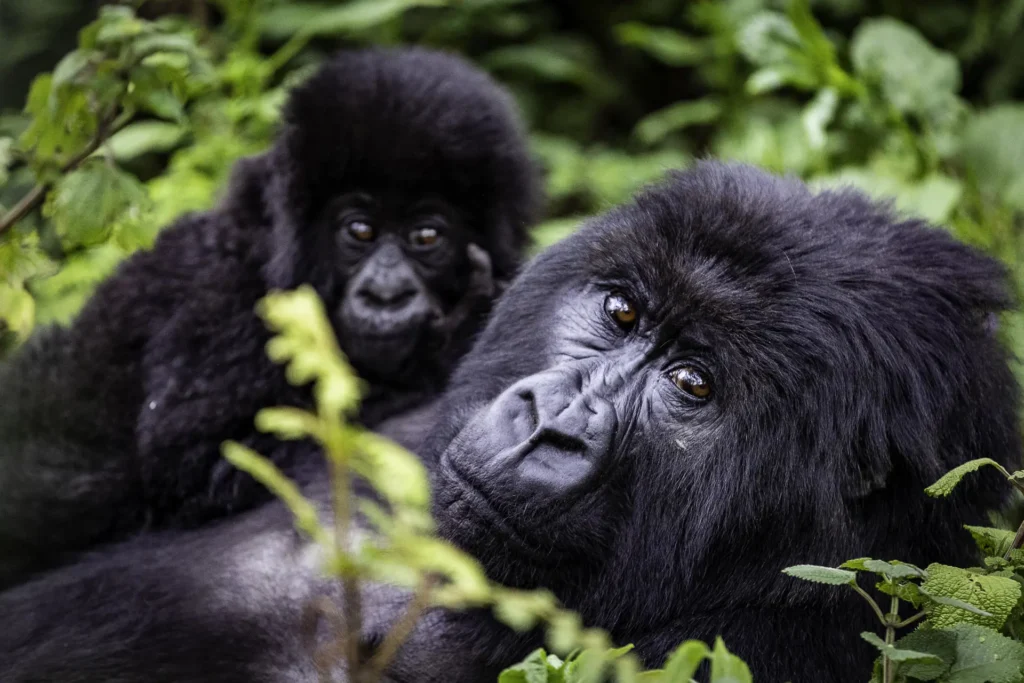
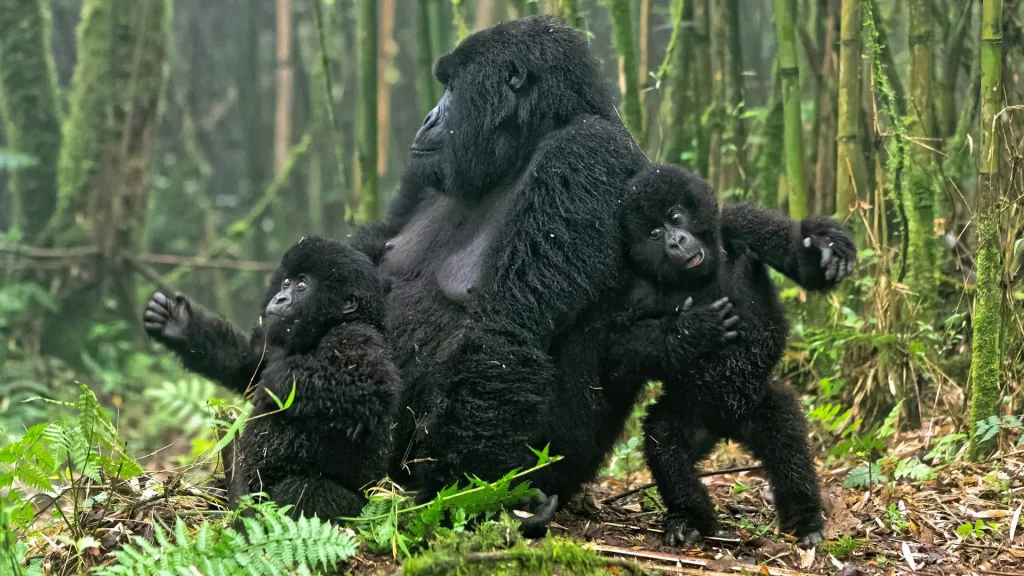
Gorilla trekking in Rwanda takes place in Volcanoes National Park, where access to habituated gorilla families is carefully controlled to reduce disturbance and protect the animals.
Rwanda's official tourism authority lists the standard international gorilla trekking permit cost at USD 1,500 per person.
This price applies to the standard trekking experience and should not be confused with the total cost of a safari holiday. Accommodation, transport, meals, optional activities and personal expenses are separate unless explicitly included in a quotation.
Special permit tariffs may be available for eligible Rwandan citizens, East African Community residents or other qualifying categories. Eligibility and promotional arrangements should always be verified before booking.
Only a limited number of visitors can participate in gorilla trekking each day.
Official Rwanda tourism information states that a maximum of eight trekking permits is issued per habituated gorilla family per day. This restriction helps maintain controlled visitor numbers and limits pressure on the gorillas.
During popular travel periods, preferred dates may sell out well in advance. Visitors should therefore secure permits before making non-refundable arrangements that depend on a specific trekking date.
The minimum age for Rwanda gorilla trekking is 15 years.
This restriction applies even when a younger traveller is physically fit or experienced in outdoor activities. Families should organise alternative experiences for children who do not meet the minimum age.
Age restrictions for other national park activities differ, so travellers should confirm the relevant requirements before booking golden monkey trekking, chimpanzee tracking or demanding mountain hikes.
A standard permit provides access to the authorised guided gorilla trekking activity, including the regulated encounter with a habituated gorilla family.
It does not normally include private transport from Kigali, hotel accommodation, porter services, personal trekking equipment or international travel expenses.
The actual walking time varies according to the location of the gorillas. Once the group is located, visitors are normally allowed a maximum of one hour with the animals, subject to ranger instructions.
Mountain gorilla trekking is an outdoor activity conducted in natural forest terrain rather than on a predictable, paved walking route.
The difficulty can vary significantly between trekking groups and from one day to another. Some gorilla families may be located relatively close to accessible trailheads, while others require longer walks through steep and uneven terrain.
The forests of Volcanoes National Park contain volcanic slopes, bamboo vegetation, roots, muddy tracks and areas of dense undergrowth.
Rain can make sections slippery, and higher elevations may feel cooler than Kigali or Akagera. The physical effort required depends on walking distance, altitude, weather and individual fitness.
Visitors should avoid assuming that every gorilla trek is either easy or extremely difficult. Both relatively manageable and demanding experiences are possible.
Travellers who are not accustomed to hiking should consider a gradual preparation routine several weeks before departure.
Regular walking, moderate hill climbing, stair exercises and appropriate cardiovascular activity can help improve stamina. Practising on uneven ground while wearing trekking boots is particularly useful.
Anyone with significant mobility limitations, cardiovascular concerns or other medical considerations should seek appropriate professional advice before committing to a demanding trek.
Gorilla trekking for seniors is possible for many older visitors, provided their health, mobility and personal circumstances are suitable.
Age alone is not an accurate measure of trekking ability. A reasonably fit older traveller may be more comfortable on the trail than a younger visitor with little walking experience.
Communicate any limitations before the trekking date so the operator can discuss available assistance and realistic expectations.
Local porters can carry daypacks and assist visitors along difficult sections of the trail.
Hiring a porter can reduce physical strain and also creates employment opportunities for people living around the park.
Visitors requiring substantial mobility assistance should discuss arrangements in advance, since availability, suitability and costs require individual confirmation.
Choosing appropriate gorilla trekking clothing is important because forest conditions can be wet, muddy and physically demanding.
Sturdy, well-fitting gorilla trekking boots should provide reliable grip, ankle support where needed and protection against wet ground.
Footwear should be worn in before the holiday. New boots can cause discomfort and blisters during longer walks.
Water-resistant or waterproof footwear is useful, although no boot can guarantee completely dry feet in every forest condition.
Long trousers protect the legs from vegetation, insects and scratches.
Lightweight long-sleeved shirts are preferable to exposed arms when walking through dense forest.
Choose clothing that allows comfortable movement and dries reasonably quickly.
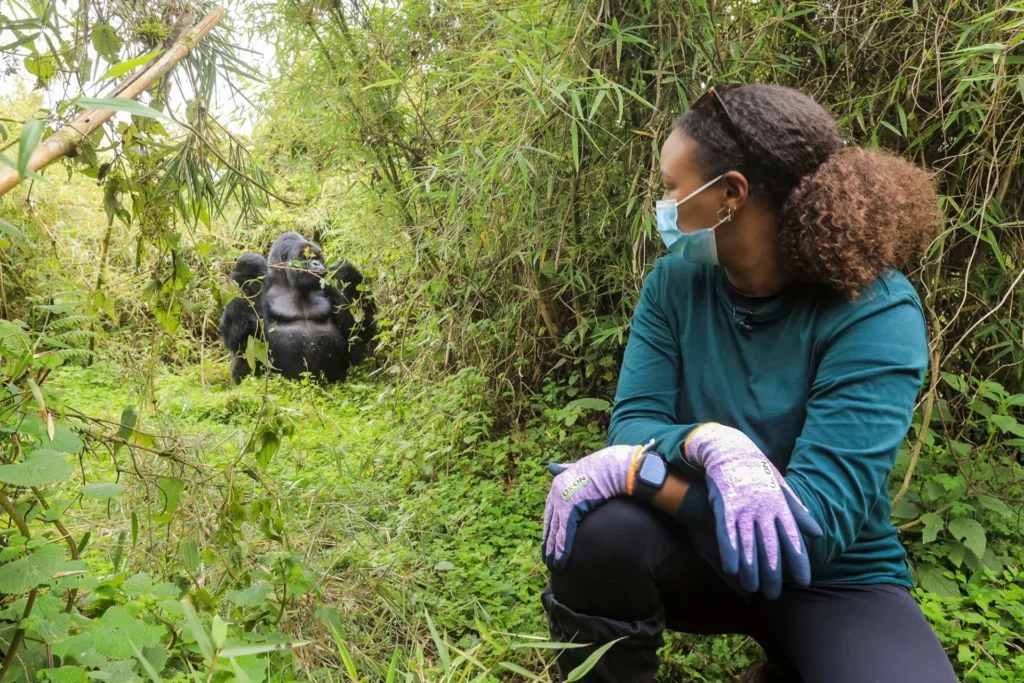
A lightweight waterproof jacket is essential for Rwanda rainforest trekking, even during comparatively dry months.
Rainfall can occur unexpectedly in the mountains, and exposed clothing may become uncomfortable when temperatures fall.
A waterproof backpack cover or dry bag can protect cameras, documents and spare clothing.
Gardening-style or leather gloves can be useful when navigating vegetation, particularly where stinging nettles occur.
Gaiters or long socks provide additional protection against mud and vegetation around the ankles.
Early mornings around Musanze and Volcanoes National Park can feel cool.
A fleece or lightweight insulating layer is useful before and after trekking, especially when rain or wind is present.
A complete Rwanda safari packing list should reflect the different environments you intend to visit.
The equipment needed for mountain trekking is not identical to what is useful for a game drive in Akagera or a city visit in Kigali.
Binoculars are particularly valuable for Akagera wildlife safaris and Rwanda birdwatching tours.
A camera with suitable lenses allows visitors to photograph landscapes and wildlife, although large professional equipment is not essential for enjoying the experience.
Carry spare batteries, memory cards and protective equipment where appropriate.
Bring prescribed medication, basic first-aid supplies, sunscreen, insect repellent and personal hygiene products.
A refillable water bottle is useful, especially during hiking activities.
Visitors should also carry a small daypack for essential items needed during excursions.
Rwanda travel health preparation should begin well before departure, particularly for travellers combining several African destinations.
Medical advice should be tailored to individual health, travel history, planned activities and current public health conditions.
Recommended vaccinations vary according to personal circumstances and travel routes.
Travellers should consult a qualified travel health professional and review current official guidance before departure.
A yellow fever vaccination certificate may be required when entering Rwanda from a country classified as presenting a yellow fever transmission risk.
Requirements can depend on the country of origin and transit history, so confirm the rules applicable to the complete journey.
Malaria is a consideration for travel in Rwanda, although risk varies according to location and altitude.
Travellers should seek professional advice about appropriate prevention and use measures to reduce mosquito bites.
Long clothing in the evening, suitable insect repellent and properly maintained accommodation screening can be useful precautions.
Some activities around the Virunga Mountains take place at considerable elevation.
Visitors may notice increased exertion during uphill walking, particularly if they are not accustomed to altitude.
More demanding volcano hikes require additional preparation and an honest assessment of physical ability.
Mountain gorillas can be vulnerable to diseases transmitted by humans.
Visitors experiencing potentially infectious symptoms must inform the guide or park authorities before trekking.
Following official health instructions is essential to responsible gorilla tourism and long-term conservation.
Comprehensive Rwanda safari travel insurance is strongly recommended.
The policy should cover the full travel period, destinations and planned activities.
Important considerations include medical treatment, emergency evacuation, trip cancellation, baggage loss and unexpected travel disruption.
Visitors participating in demanding mountain hikes should check whether the policy includes the relevant altitude and trekking conditions.
Insurance policies may also be affected by official government travel advisories. Travellers should review the latest guidance for their nationality and planned destinations, particularly when travelling near international borders.
The Rwandan franc (RWF) is the country's official currency.
Some international tourism services, including safari quotations and certain accommodation arrangements, may be priced in US dollars.
Travellers should confirm accepted payment methods before departure.
Cards are accepted at many established hotels and businesses, particularly in Kigali and major tourism areas.
However, cash may be useful for smaller purchases, tips and transactions in locations where electronic payment is unavailable.
Avoid carrying unnecessarily large amounts of money and use reputable currency exchange facilities.
Before confirming a Rwanda safari booking, request a clear breakdown of what is included.
Relevant items may include gorilla permits, national park fees, accommodation, meals, vehicle hire, fuel, guiding and airport transfers.
Optional activities, personal purchases, visas, gratuities and international flights may be excluded.
Tipping is generally discretionary.
Visitors may choose to recognise the work of driver-guides, park porters, trackers and accommodation staff.
Ask for guidance on suitable tipping practices rather than assuming that one fixed amount applies to every service.
Most international visitors arrive at Kigali International Airport, which provides the main gateway to Rwanda's tourism destinations.
Road transport is widely used for travel between Kigali, Volcanoes National Park, Akagera, Nyungwe and Lake Kivu.
A private Rwanda safari vehicle offers flexibility for rest stops, luggage, photography and travel schedules.
For Akagera, an appropriate vehicle is especially useful because game viewing takes place along park roads and tracks.
Vehicle selection should consider passenger numbers, luggage capacity, comfort and route conditions.
Rwanda's mountainous geography means that journey times cannot be judged from distance alone.
Steep roads, bends, rainfall, traffic and stops can influence travel duration.
Allow adequate time between destinations and avoid scheduling important park activities immediately after long transfers without a reasonable margin.
Combined Rwanda Uganda gorilla safaris involve additional immigration and transport arrangements.
Border operating conditions, visa requirements and crossing procedures should be checked before departure.
Travellers should also confirm whether the safari vehicle and guide will continue across the border or whether a transfer arrangement is required.
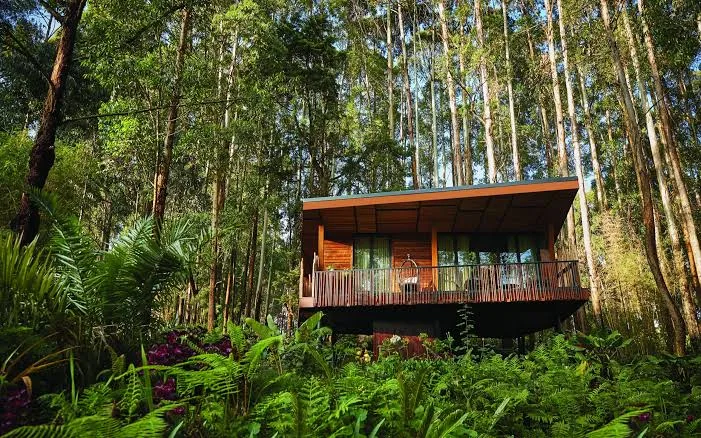
Rwanda safari accommodation ranges from city hotels and guesthouses to forest lodges and luxury properties.
Location is particularly important when activities require early starts.
For gorilla trekking, accommodation near Kinigi or Musanze may reduce the morning transfer.
For Akagera, staying within or close to the park can simplify wildlife activities.
For Nyungwe, the distance between accommodation and the relevant activity reception point should be considered carefully.
Compare room facilities, meal arrangements, cancellation conditions, accessibility and transport requirements before booking.
Rwanda places considerable emphasis on environmental protection and public cleanliness.
Rwanda restricts plastic bags as part of its environmental policies.
Visitors should avoid bringing prohibited plastic bags into the country and use reusable alternatives where practical.
Drone use is regulated, and visitors should not assume that recreational drones can be brought into or operated within Rwanda without permission.
Protected areas may have additional restrictions.
Always obtain appropriate authorisation before using specialised aerial photography equipment.
Ask permission before photographing people, particularly in villages, markets and community settings.
Respect memorial sites, religious places and local customs.
Travel conditions can change, particularly in areas near international borders.
Visitors should review current government travel advice before departure and avoid relying on outdated descriptions of regional security.
One common mistake is booking flights and accommodation before confirming a preferred gorilla trekking permit date.
Another is underestimating travel time between national parks.
Visitors also sometimes arrive with unsuitable footwear, insufficient rain protection or unrealistic expectations about wildlife sightings.
A further mistake is assuming that all national park activities have the same age limits, physical requirements or cancellation policies.
Careful preparation helps avoid these problems and improves the overall safari experience.
You generally need a valid passport, the appropriate entry permission, travel confirmations and any required health documentation. Check the requirements for your nationality and complete route.
Wear sturdy hiking boots, long trousers, long sleeves and a waterproof jacket. Gloves and gaiters can provide additional protection.
Yes. Every eligible visitor participating in standard gorilla trekking must have a valid permit for the assigned date.
The standard international visitor permit is listed at USD 1,500 per person, subject to current official tariffs and applicable eligibility conditions.
The minimum age for gorilla trekking in Rwanda is 15 years.
Comprehensive travel insurance is strongly recommended, particularly for medical treatment, evacuation and unexpected travel disruption.
Some experiences may be manageable with appropriate assistance, while others involve demanding terrain. Discuss individual needs before confirming activities.
Some cash is useful for smaller purchases and gratuities, although established tourism businesses may accept electronic payments.
Mobile connectivity is available in many populated areas, but coverage may be weaker in remote landscapes. Check roaming arrangements or local connectivity options before travelling.
No. Gorillas are wild animals that move freely through their habitat. Tracking teams have extensive experience, but sightings cannot be guaranteed.
Yes. Rwanda receives visitors throughout the year. Rainfall may affect trekking comfort, road conditions and outdoor activities.
For travellers whose main priority is gorilla trekking, confirming permit availability and ensuring the activity suits their health and mobility are particularly important.
A rewarding Rwanda safari holiday depends on thoughtful preparation, realistic expectations and reliable arrangements.
Understanding Rwanda gorilla trekking requirements, suitable clothing, entry procedures, health considerations, transport conditions and accommodation locations helps travellers enjoy their journey with greater confidence.
At Gorilla Rwanda Safaris, we assist visitors with practical travel planning, permit coordination, accommodation selection, private transport and guided wildlife experiences.
Contact our team for personalised advice based on your travel dates, interests, group size and preferred level of comfort.
Prepare thoroughly, travel responsibly and experience Rwanda's extraordinary wildlife and landscapes with confidence.