
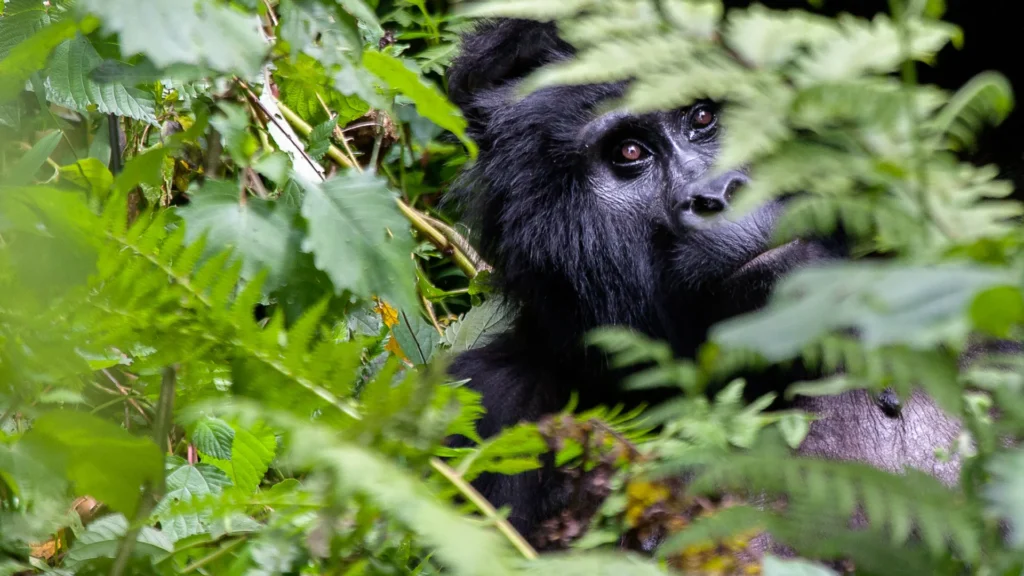
Preparing the right Rwanda gorilla trekking packing list is one of the most important steps before visiting mountain gorillas in Volcanoes National Park. Although the encounter with these endangered primates lasts a maximum of one hour, reaching them can involve walking through steep volcanic slopes, dense bamboo forest, muddy trails and vegetation-covered mountain terrain.
Rwanda’s gorilla trekking environment is very different from the open savannah landscapes commonly associated with African safaris. Instead of observing wildlife from a vehicle, visitors follow experienced guides and trackers into natural forest habitat. Conditions can change quickly, and even relatively short walks may involve slippery ground, thick vegetation and unexpected rainfall.
The right equipment does not need to be expensive or complicated. Comfortable, well-fitting hiking boots, long clothing, waterproof protection and a practical daypack are more useful than fashionable safari outfits or unnecessary accessories. Packing intelligently helps visitors remain comfortable, protect their belongings and concentrate on the extraordinary experience of observing mountain gorillas.
This comprehensive guide explains what to pack for gorilla trekking in Rwanda, what to wear during different seasons, which equipment is genuinely essential, how to protect cameras and electronics, and how to prepare for the early-morning departure from Kinigi.
Understanding the Gorilla Trekking Environment
Before choosing what to pack, it is helpful to understand the conditions encountered in Volcanoes National Park. Our Volcanoes National Park page gives further background.
The park protects Rwanda’s portion of the Virunga volcanic massif, a mountainous landscape containing bamboo forest, montane vegetation, grasslands and high-altitude habitats.
Gorilla families move naturally through this environment. Their location determines the trekking route, so visitors cannot know the exact walking distance or difficulty before the activity.
Steep Volcanic Terrain
Some trekking routes involve substantial climbing and descending. The ground may be uneven, with loose stones, roots and muddy sections.
Footwear with reliable grip is therefore essential.
Dense Forest Vegetation
Visitors may walk through bamboo stands, shrubs and thick undergrowth.
Long clothing protects the skin against scratches and contact with irritating plants.
Rainfall Throughout the Year
Even during Rwanda’s relatively dry seasons, rainfall is possible in the mountains.
Waterproof clothing and protection for personal belongings should be included in every gorilla trekking packing checklist.
Cool Mountain Conditions
The higher elevations of Volcanoes National Park can feel noticeably cooler than Kigali.
A light insulating layer is useful, especially during the early morning.
Essential Gorilla Trekking Clothing
The most practical Rwanda gorilla trekking clothes are comfortable, protective and suitable for active walking.
Avoid choosing clothing solely because it resembles traditional safari wear.
Functionality matters more than appearance.
Long-Sleeved Shirts
Long sleeves help protect the arms from branches, insects and irritating vegetation.
Lightweight, breathable materials are preferable because hiking can generate considerable body heat.
Quick-drying fabrics are particularly useful in wet conditions.
Avoid excessively thick garments that restrict movement.
Long Hiking Trousers
Long trousers are strongly recommended.
They protect the legs from vegetation and help reduce scratches while walking through dense forest.
Choose flexible trousers that allow comfortable climbing and bending.
Avoid heavy denim because it becomes uncomfortable when wet and dries slowly.
Lightweight Base Layers
Moisture-wicking base layers can improve comfort during physically demanding walks.
They help manage perspiration and reduce the discomfort associated with damp clothing.
Warm Mid-Layer
A lightweight fleece or similar insulating garment can be useful during cool mornings.
Choose something that can be removed and packed easily as the temperature rises.
Suitable Clothing Colours
Neutral and muted colours are practical for wildlife activities.
There is no need to purchase an entirely new wardrobe in matching safari colours.
Comfort, protection and durability should remain the priorities. See also our gorilla trekking clothing guide.
Choosing the Best Hiking Boots for Gorilla Trekking
Gorilla trekking hiking boots are among the most important items on the packing list.
The terrain may include slippery mud, steep slopes, wet grass and exposed roots.
Ordinary fashion shoes or smooth-soled trainers are unsuitable for demanding forest conditions.
Reliable Grip
Choose boots with a sturdy sole and good traction.
Deep tread can help provide stability on muddy ground.
Ankle Support
Boots that support the ankle may be helpful when walking on uneven terrain.
However, fit and personal comfort are more important than simply choosing the tallest boot.
Water Resistance
Water-resistant or waterproof footwear can improve comfort in wet vegetation.
Remember that water may still enter over the top during heavy rain or deep mud.
Proper Fit
Boots should fit securely without causing pressure points.
Allow sufficient room for the toes, particularly when descending slopes.
Break in Your Boots
Do not wear completely new boots for the first time on the trekking day.
Use them during practice walks before travelling.
Hiking Socks
Wear comfortable hiking socks that help manage moisture and reduce friction.
Carry a spare pair if convenient.
Why Gardening Gloves Are Recommended
Gorilla trekking gloves are a small but useful addition to the packing list.
During difficult sections, visitors may need to steady themselves against vegetation or use their hands for balance.
Gloves help protect the skin against scratches and irritating plants.
Gardening Gloves
Durable gardening gloves are commonly recommended.
They are inexpensive and practical.
Leather Gloves
Lightweight leather gloves can provide protection, although some styles may be too warm.
Avoid Bulky Gloves
Choose gloves that allow sufficient finger movement.
You may need to adjust clothing or handle equipment.
When to Wear Them
Keep gloves accessible during the walk.
They can be removed when not needed.
Gaiters and Lower-Leg Protection
Gorilla trekking gaiters cover the lower leg and the upper part of the boot.
They are particularly useful when walking through wet vegetation or muddy sections.
Mud Protection
Gaiters help prevent mud from entering footwear.
Vegetation Protection
They provide another layer between the legs and dense undergrowth.
Rainy-Season Use
Gaiters may be especially valuable during wetter months.
Are Gaiters Essential?
They are useful but not always indispensable.
Travellers should prioritise suitable boots, long trousers and waterproof clothing first.
Waterproof Jackets and Rain Protection
A reliable waterproof jacket belongs on every Volcanoes National Park packing list.
Mountain weather can change unexpectedly.
A sunny morning does not guarantee dry conditions throughout the trek.
Lightweight Waterproof Jacket
Choose a jacket that is comfortable to wear while walking.
Breathable materials can reduce overheating.
Hood
A fitted hood helps protect the head and neck during rain.
Waterproof Trousers
Lightweight waterproof overtrousers can be useful during particularly wet periods.
They are optional for some travellers but valuable for those who dislike prolonged exposure to rain.
Ponchos
A poncho may provide additional coverage, although loose material can catch on vegetation.
Protecting the Daypack
Use a waterproof pack cover or internal dry bags.
Do not assume that a standard backpack is waterproof.
Choosing the Right Gorilla Trekking Daypack
A practical gorilla trekking daypack should be compact, comfortable and easy to carry.
Large expedition backpacks are unnecessary for standard trekking.
Comfortable Shoulder Straps
Padded straps help distribute weight.
Secure Fit
A chest strap may improve stability while climbing.
Water Protection
Use a rain cover or waterproof internal compartments.
Easy Access
Keep frequently used items near the top.
Avoid Excess Weight
Carry essentials rather than unnecessary equipment.
A heavy bag increases fatigue on steep slopes.
Porter Assistance
Local porters can help carry bags and assist on difficult sections.
Hiring a porter can make the experience more comfortable while supporting local employment.
Water and Food for the Trek
Hydration is important during physical activity at altitude.
Carry sufficient drinking water according to your needs and the advice of your guide.
Reusable Water Bottle
A durable bottle is practical.
Hydration Bladder
Some hikers prefer a hydration system that allows drinking without repeatedly opening a backpack.
Light Snacks
Suitable snacks may be useful during longer walks.
Follow park instructions about where food may be consumed.
Never Feed Gorillas
Food must never be offered to gorillas or other wildlife.
Carry Out All Waste
Keep wrappers and other rubbish in your bag until they can be disposed of properly.
Camera Equipment for Gorilla Trekking
Rwanda gorilla trekking photography can be exceptionally rewarding.
However, the forest presents technical challenges.
Low-Light Conditions
Dense vegetation often limits available light.
A camera with good low-light performance can be useful.
Lens Selection
A moderate telephoto or flexible zoom lens can help frame animals without approaching them.
Avoid carrying several heavy lenses unless they are genuinely necessary.
No Flash Photography
Flash photography is prohibited during gorilla encounters.
Disable automatic flash before entering gorilla habitat.
Spare Batteries
Cool conditions and frequent camera use can reduce battery performance.
Carry a charged spare if available.
Memory Cards
Ensure adequate storage before trekking.
Waterproof Protection
A rain sleeve or dry bag helps protect electronics.
Camera Straps
Use a secure strap to avoid dropping equipment on difficult terrain.
Smartphones
Modern smartphones can capture meaningful images and videos.
Professional camera equipment is not compulsory.
Binoculars: Are They Necessary?
Binoculars are useful for birdwatching and general wildlife observation.
However, they are not essential for the gorilla encounter itself.
Travellers combining gorilla trekking with other Rwanda nature activities may find compact binoculars worthwhile.
Avoid carrying heavy equipment that provides little benefit during the forest walk.
Personal Medical and Health Essentials
A small personal health kit is useful.
Regular Medication
Carry prescribed medication in suitable packaging.
Personal First-Aid Items
Blister plasters and basic wound-care supplies may be helpful.
Insect Repellent
Use a suitable repellent according to personal needs and medical advice.
Sunscreen
Sun protection may be useful during exposed sections and transfers.
Hand Sanitiser
Carry a small bottle for personal hygiene.
Health Precautions
Do not participate in gorilla trekking while concealing potentially infectious symptoms.
Mountain gorillas can be vulnerable to human diseases.
Documents to Carry
Travellers should have access to the documentation required for the activity.
Passport or Identification
Carry the identification specified in the booking instructions.
Gorilla Permit Confirmation
Keep an electronic or printed copy of the reservation. Our gorilla trekking permits page explains the permit process.
Emergency Contact Information
Store relevant contact details.
Insurance Details
Keep travel insurance information accessible.
Accommodation Details
Have the name and location of your lodge available.
Packing for the Dry Season
June to September and parts of December to February are commonly associated with relatively dry conditions.
However, dry-season trekking still requires rain protection.
Prioritise Breathable Clothing
Walking uphill can generate heat.
Carry a Waterproof Jacket
Rain remains possible.
Wear Suitable Boots
Forest trails can remain muddy even after several dry days.
Bring a Warm Layer
Early mornings may be cool.
Packing for the Rainy Season
March to May and October to November commonly experience increased rainfall.
Waterproof Footwear
Good water resistance becomes especially valuable.
Gaiters
These can reduce mud and moisture entering boots.
Waterproof Bags
Protect documents and electronics.
Spare Clothing
Keep dry clothes at the lodge for after trekking.
Quick-Drying Materials
Avoid heavy fabrics that retain water.
What Not to Pack for Gorilla Trekking
Packing too much can make the experience unnecessarily tiring.
Heavy Suitcases
Leave main luggage at the accommodation or in the vehicle.
Unnecessary Camera Equipment
Carry only equipment you can manage comfortably.
Fashion Footwear
Avoid shoes without suitable grip.
Strongly Scented Products
Heavy fragrances are unnecessary in a wildlife environment.
Drones
Drone use in protected areas is regulated and should not be attempted without appropriate authorisation.
Disposable Litter
Avoid bringing items that create unnecessary waste.
Preparing Your Equipment the Night Before
The official briefing at Kinigi normally begins early in the morning.
Prepare your clothing and equipment in advance.
Check camera batteries, waterproof covers and permit documents.
Fill your water bottle and confirm any packed meal arrangements.
Ask your accommodation provider about breakfast timing.
Confirm the transfer pickup time and reporting location.
A well-organised morning reduces stress.
Packing for Older Travellers
Older visitors may benefit from keeping equipment particularly light. Our gorilla trekking for seniors page has further advice.
Choose comfortable boots with reliable grip.
Use a small daypack and consider porter assistance.
Carry necessary medication and communicate mobility concerns in advance.
The objective is to conserve energy for the forest walk.
Packing for Photographers
Photographers should balance equipment quality against weight.
A flexible lens, spare battery and moisture protection are often more practical than a large collection of accessories.
Keep the camera ready before the gorilla encounter begins.
Avoid repeated lens changes in rain or dense vegetation.
Remember that ranger instructions and animal welfare always take priority over photography.
Packing for Families with Eligible Teenagers
The minimum age for Rwanda gorilla trekking is 15 years. See our gorilla trekking age limit page for more detail.
Eligible teenagers should have properly fitted boots, protective clothing and suitable rainwear.
Parents should ensure that young participants understand the conservation rules.
Avoid giving teenagers unnecessarily heavy bags.
Final Gorilla Trekking Packing Checklist
Before leaving for Volcanoes National Park, confirm that you have:
- Sturdy, comfortable hiking boots and suitable socks
- Long trousers and a long-sleeved shirt
- Waterproof jacket and optional rain trousers
- Gardening gloves and optional gaiters
- Warm lightweight layer
- Small daypack with waterproof protection
- Drinking water and appropriate snacks
- Camera or smartphone with charged batteries
- Personal medication and basic health essentials
- Permit confirmation and identification
- Spare dry clothing waiting at your accommodation
This checklist covers the main essentials without encouraging unnecessary purchases.
Frequently Asked Questions About Rwanda Gorilla Trekking Packing
What should I wear for gorilla trekking in Rwanda?
Long trousers, long sleeves, sturdy hiking boots and a waterproof jacket are recommended.
Are hiking boots compulsory?
Suitable footwear is strongly recommended because trails may be steep, muddy and uneven.
Do I need gloves?
Gloves are useful for protection against vegetation and for maintaining balance.
Are gaiters necessary?
They are optional but helpful, especially during wet conditions.
Can I wear jeans?
Jeans are not ideal because they become heavy and uncomfortable when wet.
Do I need a rain jacket during the dry season?
Yes. Rain remains possible throughout the year.
Can I use a smartphone for photographs?
Yes, provided you follow the park’s photography rules.
Is flash photography allowed?
No.
Should I carry food?
Carry suitable supplies according to guide instructions, but never eat near gorillas or leave waste.
Can I hire a porter?
Yes. Porter services are generally available through local arrangements.
How large should my backpack be?
A compact daypack is normally sufficient.
Do I need expensive safari clothing?
No. Practical, comfortable clothing is more important than specialist fashion.
What should I pack for rainy-season trekking?
Waterproof clothing, reliable boots, gaiters and protection for electronics are particularly useful.
Should I bring binoculars?
They are optional and more useful for wider wildlife observation.
Can I leave luggage at my lodge?
Most travellers leave their main luggage at their accommodation or in their vehicle and carry only trekking essentials.
Prepare for Your Rwanda Gorilla Trekking Experience
A carefully planned Rwanda Gorilla Trekking Packing List helps visitors remain comfortable, safe and prepared for the unpredictable conditions of Volcanoes National Park.
The most important items are suitable footwear, protective clothing, waterproof layers and a manageable daypack.
Gorilla Rwanda Safaris assists travellers with practical preparation, permit enquiries, accommodation and transport arrangements.
Contact our team for guidance on what to bring for your particular trekking dates and travel requirements.