
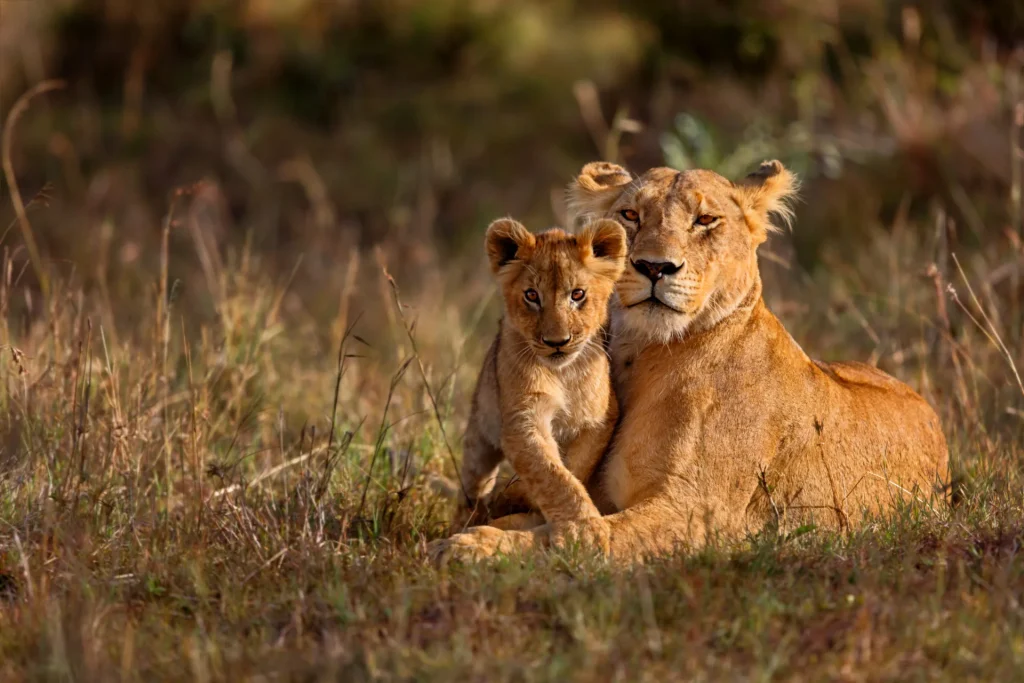
Gorilla trekking in Musanze is more than a wildlife tourism experience. It is part of a wider conservation system connecting Rwanda’s endangered mountain gorillas with protected forest management, scientific research, community development and the local economy of the Northern Province. For travellers arriving in Musanze to visit Volcanoes National Park, understanding this relationship provides valuable insight into how mountain gorillas are protected and why responsible tourism matters.
Musanze is the principal urban gateway to Rwanda’s mountain gorilla habitat. Nearby Kinigi serves as the main reporting and briefing location for gorilla trekking, while the protected forest extends across the volcanic slopes of the Virunga Mountains. These locations perform different functions within the tourism and conservation system, but they are closely connected.
Mountain gorillas survive in a restricted geographical range and remain classified as Endangered. Their recovery has depended on decades of coordinated protection, including ranger patrols, habitat conservation, veterinary monitoring, scientific research and community engagement. Tourism provides revenue and employment associated with this work, but it must be carefully controlled to prevent disturbance and disease transmission.
The communities surrounding Volcanoes National Park also have an important stake in conservation outcomes. Residents depend on land, employment and infrastructure, while the protected forest must remain secure for wildlife. Rwanda’s approach includes tourism revenue sharing, local employment and community development initiatives intended to strengthen the relationship between conservation and livelihoods.
This guide examines Musanze gorilla conservation, the role of Kinigi, the importance of surrounding communities, the management of gorilla trekking and the responsibilities of travellers visiting one of Africa’s most important protected primate habitats.
Why Musanze Is Important to Mountain Gorilla Conservation
Musanze lies in northwestern Rwanda, close to the Virunga volcanic range and Volcanoes National Park. The town functions as a regional centre for tourism, transport, accommodation and services associated with the park.
Its importance to conservation is partly geographical. Visitors travelling from Kigali commonly pass through Musanze before reaching Kinigi and the forest access points. Tourism businesses based in the area provide services that support regulated access to the national park.
However, Musanze’s conservation significance extends beyond visitor logistics. The town and surrounding districts form part of the human landscape adjoining mountain gorilla habitat. Economic activity, community development and land-use decisions in this region influence the long-term relationship between protected wildlife and neighbouring populations.
Gorilla conservation in Musanze should therefore be understood as both an ecological and a social undertaking. Protecting gorillas requires maintaining their forest habitat while supporting constructive relationships with the communities living nearby.
Understanding the Relationship Between Musanze, Kinigi and Volcanoes National Park
Although these names are frequently used together in travel information, they refer to different places and functions.
Musanze is the principal urban gateway to the park, providing accommodation, shops, restaurants and transport services. Kinigi is associated with the main Volcanoes National Park headquarters and the early morning gorilla trekking briefing. Volcanoes National Park is the protected habitat where Rwanda’s mountain gorillas live.
Tourists normally report to Kinigi before travelling to an assigned trailhead. The actual gorilla encounter takes place within authorised sections of the protected forest, not in Musanze town.
This distinction is important when discussing conservation. Tourism infrastructure is concentrated around settlements and access routes, while wildlife protection is focused on the forest and its wider ecosystem.
The connection between these areas is managed through park regulations, transport arrangements, local employment and conservation programmes.
Volcanoes National Park and the Virunga Ecosystem
Volcanoes National Park protects Rwanda’s portion of the Virunga Massif, a mountainous landscape extending into Uganda and the Democratic Republic of the Congo.
The park is associated with several major volcanoes, including Karisimbi, Bisoke, Sabyinyo, Gahinga and Muhabura. Its terrain includes steep slopes, bamboo vegetation, montane forest and other high-altitude habitats.
These environments provide feeding and resting areas for mountain gorillas. The animals consume a predominantly plant-based diet and move through the forest according to food availability, social relationships and other natural conditions.
The park also supports other wildlife, including golden monkeys, as well as diverse plant communities and ecological processes.
Protecting this habitat is therefore important not only for gorillas but also for the wider biodiversity of the Virunga Mountains.
Why Mountain Gorillas Need Continued Protection
Mountain gorillas belong to the subspecies Gorilla beringei beringei. They are found in only two principal landscapes: the Virunga Massif and the Bwindi-Sarambwe ecosystem.
Their limited distribution makes them vulnerable to disease, habitat pressures and other threats that can affect relatively small populations.
Mountain gorillas also reproduce slowly. Females invest considerable time in raising offspring, and several years may pass between births. Population recovery therefore depends on the survival of adults and infants over long periods.
Although conservation efforts have produced important gains, mountain gorillas remain classified as Endangered by the International Union for Conservation of Nature.
The species’ recovery should be regarded as evidence that conservation can work, not as proof that protection is no longer necessary.
The History of Gorilla Conservation Around Musanze
The Virunga Mountains have been associated with mountain gorilla research and protection for decades.
The work of Dian Fossey helped bring international attention to the behaviour and conservation needs of mountain gorillas. Her research contributed to a growing understanding of their social relationships, individual identities and vulnerability to human pressures.
Conservation approaches subsequently expanded to include more intensive park management, veterinary care, community engagement and regulated tourism.
Musanze developed as an important tourism gateway during this process. The growth of accommodation, guiding and related services created additional economic activity connected to the protected forest.
Today, conservation involves multiple institutions and partnerships rather than a single researcher or organisation.
The Role of Kinigi in Responsible Gorilla Trekking
Kinigi park headquarters plays an important operational role in regulating tourist access.
Visitors normally report for registration and briefing before entering the forest. The Rwanda Development Board’s published guidance identifies 7:00 AM as the reporting time, although travellers should confirm current instructions.
During the briefing, park personnel explain safety requirements and conservation regulations.
Tourists are allocated to authorised trekking groups, with a standard maximum of eight visitors per habituated gorilla family.
The briefing also reinforces the importance of avoiding physical contact, maintaining the required distance and respecting the animals’ behaviour.
This organised system helps ensure that tourism takes place within defined conservation limits.
How Gorilla Trekking Supports the Local Economy
Musanze gorilla tourism creates demand for accommodation, transport, guiding, food services, porter assistance and other activities.
These services provide employment and business opportunities associated with visitors travelling to Volcanoes National Park.
For some households, tourism-related income may contribute to education, healthcare and other expenses.
However, economic benefits are not distributed equally. Opportunities depend on location, training, access to employment and the structure of local businesses.
It is therefore important to describe tourism as a potential contributor to community development rather than assume that every resident benefits directly.
A sustainable conservation economy requires meaningful local participation and fair treatment of workers.
Rwanda’s Tourism Revenue-Sharing Programme
One of Rwanda’s important conservation-related development mechanisms is its tourism revenue-sharing programme.
The Rwanda Development Board states that 10% of national park tourism revenues is reinvested in community development initiatives around protected areas.
Projects may support education, healthcare, water access, infrastructure and livelihoods.
Around Volcanoes National Park, the programme is relevant to districts including Musanze, Burera, Nyabihu and Rubavu.
Revenue sharing helps connect protected-area tourism with the needs of neighbouring communities.
However, the programme should not be confused with individual porter fees, lodge payments or direct donations. These are different economic activities with different purposes.
Why Community Development Matters to Conservation
The communities surrounding Volcanoes National Park have legitimate needs for land, employment and public services.
Conservation policies must recognise these needs while protecting wildlife habitat.
Where local residents receive meaningful benefits associated with protected areas, conservation may gain stronger social support.
Community development initiatives can also help address some of the economic pressures that complicate wildlife protection.
Nevertheless, conservation challenges cannot be solved through tourism revenue alone. Long-term success requires cooperation, effective governance and attention to local priorities.
Community conservation around Musanze is therefore an ongoing process rather than a single project.
Porter Employment and Local Participation
Porters provide practical assistance to visitors during gorilla trekking.
They commonly carry backpacks and may help travellers negotiate difficult forest terrain.
Their services are particularly useful for older visitors, photographers and people unfamiliar with steep or muddy trails.
Porter employment creates an opportunity for local residents to earn income associated with gorilla tourism.
The International Gorilla Conservation Programme has supported initiatives involving responsible porter services and community participation.
Visitors should treat porters as professional service providers, agree on payment arrangements and avoid unreasonable equipment loads.
The Importance of Gorilla Trackers
Gorilla trackers are specialised field personnel who help locate and monitor habituated mountain gorilla families.
Their work includes recognising individuals, observing movements and identifying changes in health or group composition.
Trackers may notice births, injuries, unusual behaviour or signs of illness.
Their observations contribute to conservation records and may help veterinary teams identify animals requiring attention.
Trackers also support regulated tourism by helping guides locate the assigned gorilla family.
Their role illustrates the close relationship between wildlife monitoring and responsible visitor management.
Ranger Patrols and Forest Protection
Park rangers contribute to protecting the forest and enforcing conservation regulations.
Their work may involve patrols, monitoring human activity and responding to illegal access.
The mountainous terrain can make these responsibilities physically demanding.
Rangers also supervise visitors and reinforce rules intended to protect wildlife.
Protected-area status alone cannot prevent threats. Effective conservation requires trained personnel, resources and cooperation with surrounding communities.
Snare Prevention and Gorilla Injuries
Snares intended for other wildlife can accidentally injure mountain gorillas.
An entangled limb may develop wounds, swelling or other complications.
Trackers may identify such injuries during routine monitoring.
The concern is then reported to the appropriate conservation personnel.
Veterinary specialists assess whether treatment is necessary.
Preventing injuries requires patrols, enforcement and wider efforts to address illegal activities affecting the forest.
Veterinary Care and Gorilla Doctors
Gorilla Doctors provides specialised veterinary monitoring and treatment for mountain and Grauer’s gorillas in the region.
The organisation works with park authorities and tracking teams to assess health concerns.
Veterinary personnel may investigate injuries, respiratory symptoms or other unusual conditions.
Not every case requires intervention. Specialists must consider the animal’s wellbeing and the risks associated with treatment.
Regular monitoring is particularly valuable because field teams may recognise changes in individuals they know well.
Disease Prevention During Gorilla Trekking
Mountain gorillas are vulnerable to certain human infectious diseases.
Respiratory illness is an important concern because infections may spread within close social groups.
Visitors experiencing potentially contagious symptoms must inform park authorities and follow their instructions.
Rwanda’s published minimum viewing distance is seven metres, with greater separation advisable where practical.
Touching and feeding gorillas are prohibited.
These precautions are essential to responsible tourism and should never be disregarded for photographs or personal convenience.
Why Gorilla Viewing Is Limited to One Hour
The standard tourist viewing period is one hour.
This restriction helps reduce prolonged human presence around habituated gorilla families.
It also limits opportunities for disease exposure and disturbance.
Tourists must leave when instructed, even if the animals are particularly active.
Professional monitoring may take place under different authorised arrangements, but ordinary trekking permits do not provide unrestricted access.
The one-hour rule is an important part of the park’s conservation framework.
Gorilla Habituation and Visitor Management
Gorilla habituation is the gradual process through which selected wild families become accustomed to carefully controlled human presence.
Habituation allows authorised observation for tourism, research and veterinary monitoring.
However, habituated gorillas remain wild animals.
Their movements and social relationships are not controlled for visitors.
Not every family is habituated for tourism.
Park authorities determine which groups may be visited and under what conditions.
Conservation Challenges Around the Park Boundary
The protected forest exists alongside agricultural land and settlements.
This creates challenges associated with land use, population growth and the need for economic opportunities.
Maintaining habitat security requires attention to the relationship between protected areas and surrounding communities.
Tourism employment and revenue-sharing initiatives can contribute to this relationship, but they do not eliminate every source of pressure.
Conservation planning must balance ecological protection with legitimate community needs.
The Role of Scientific Research
Long-term research helps conservation specialists understand gorilla behaviour, reproduction, social relationships and population trends.
Researchers may examine feeding ecology, dispersal, disease risks and changes in group composition.
Population surveys provide evidence about the effects of conservation efforts.
Modern census methods can include genetic analysis of biological samples collected from nesting sites.
Research findings help inform protected-area management and conservation planning.
Regional Cooperation Across the Virunga Mountains
The Virunga mountain gorilla population extends across Rwanda, Uganda and the Democratic Republic of the Congo.
Conservation therefore requires cooperation beyond national borders.
The International Gorilla Conservation Programme supports regional approaches involving conservation science, responsible tourism and community engagement.
This cooperation is important because gorillas and ecological processes do not follow political boundaries.
Musanze’s conservation significance is consequently connected to the wider Virunga landscape.
How Travellers Can Support Conservation in Musanze
Visitors can contribute by following official park regulations and choosing legitimate tourism services.
They should respect the viewing distance, avoid physical contact and refrain from flash photography.
Potentially contagious illness must be reported.
Travellers can also support local employment through appropriate services and respectful interactions.
Ask permission before photographing residents, avoid littering and respect private property.
Responsible tourism begins before entering the forest and continues after the trek.
Frequently Asked Questions About Musanze Gorilla Conservation
Why is Musanze important for gorilla conservation?
Musanze is the principal tourism gateway to Volcanoes National Park and forms part of the surrounding community and economic landscape.
Where does gorilla trekking take place?
The authorised encounter takes place within Volcanoes National Park, after registration and briefing at Kinigi.
Does gorilla tourism support conservation?
Regulated tourism generates revenue and employment associated with protected-area management and surrounding communities.
How does Rwanda share tourism revenue?
The Rwanda Development Board states that 10% of national park tourism revenues is reinvested in community development initiatives.
Are mountain gorillas still endangered?
Yes. They remain classified as Endangered despite population recovery.
What do trackers contribute?
Trackers monitor gorilla families, help identify individuals and report observations relevant to conservation.
Who treats injured gorillas?
Qualified veterinary specialists, including Gorilla Doctors teams working with park authorities, assess and treat animals when appropriate.
Why is the viewing distance important?
Maintaining separation helps reduce unwanted interaction and disease-transmission risks.
Can visitors touch gorillas?
No. Physical contact is prohibited.
Are all gorilla families available for tourism?
No. Only authorised habituated groups may be visited.
How do local communities benefit?
Benefits may include tourism employment, business opportunities and development projects supported through revenue sharing.
Why is regional cooperation necessary?
The Virunga gorilla population occupies habitat across three countries.
Can travellers visit conservation projects around Musanze?
Some community and educational experiences may be available, but access and activities should be confirmed with the relevant providers.
What is the most important visitor responsibility?
Follow park regulations and avoid actions that could expose gorillas to disease or disturbance.
The Future of Gorilla Conservation Around Musanze
Gorilla trekking conservation in Musanze depends on maintaining a productive relationship between protected wildlife, tourism management and surrounding communities.
The survival of mountain gorillas requires healthy forest habitat, effective ranger operations, regular monitoring, veterinary expertise and scientific research.
Tourism can support these efforts through revenue and employment, but only when visitor behaviour remains compatible with conservation.
Community participation is equally important because the long-term protection of Volcanoes National Park depends on cooperation beyond the forest boundary.
At Gorilla Rwanda Safaris, we encourage travellers to approach Musanze as more than a departure point for gorilla trekking. Understanding the conservation work taking place around Kinigi and Volcanoes National Park adds meaning to the wildlife encounter and highlights the importance of responsible tourism throughout the region.