
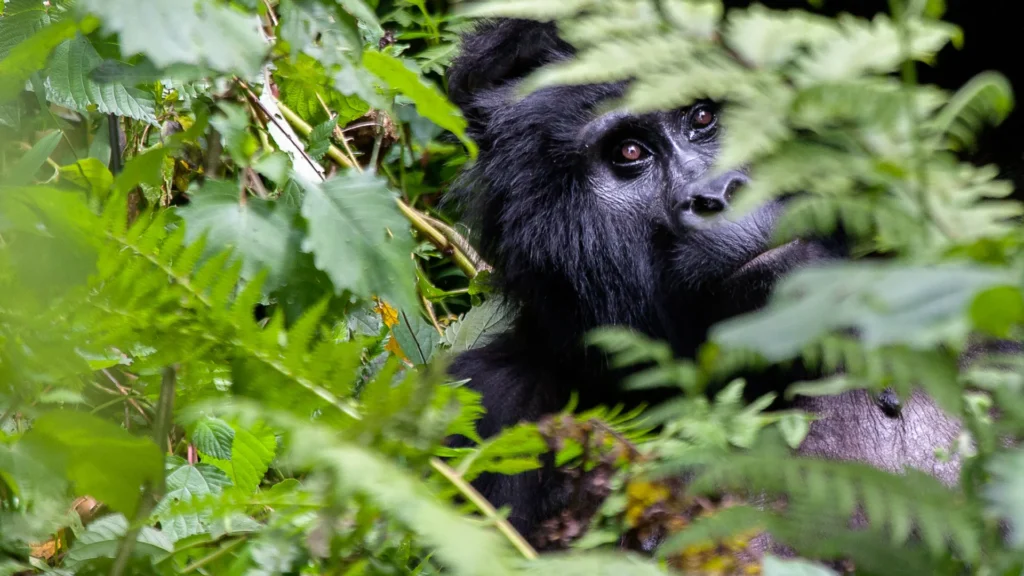
Rwanda mountain gorillas Kigali transfers require more thoughtful planning than an ordinary airport pickup. Visitors travelling from Rwanda’s capital to see endangered mountain gorillas must coordinate their arrival, accommodation, road transport and the strict reporting requirements of Volcanoes National Park. The experience also involves a transition from road travel to guided walking through mountainous forest, where the gorillas move freely and trekking duration cannot be predicted precisely.
Rwanda’s mountain gorillas inhabit the Virunga volcanic highlands in the country’s northwest. Most international visitors reach the region through Kigali International Airport, then travel by road towards Musanze and Kinigi. The journey is comparatively convenient, but the reliability of the transfer matters enormously because a gorilla permit is issued for a particular trekking date.
This guide explains how to organise Kigali transfers for Rwanda mountain gorilla trekking, with special attention to the needs of wildlife enthusiasts, photographers, older visitors and travellers undertaking their first gorilla encounter. It also addresses the conservation reasons behind restricted access, the relationship between transport and trekking difficulty, and practical decisions that can improve comfort without unnecessary expenditure.
Why Transport Planning Matters for Mountain Gorilla Trekking
Mountain gorilla trekking in Rwanda differs from wildlife viewing in national parks where visitors observe animals from vehicles. Mountain gorillas live in protected forests on volcanic slopes. Visitors travel by road to the park’s reporting area and then enter the habitat on foot with authorised guides.
This creates several stages of travel. The first involves reaching Rwanda, usually through Kigali. The second involves the road journey to the Volcanoes region. The third involves reaching the official briefing point at Kinigi. The fourth may require additional vehicle travel to an assigned forest starting point, followed by walking through the mountain environment.
Each stage needs to be understood separately. A quotation for an airport transfer may not include transport to the park headquarters, and a vehicle booked for the morning briefing may not automatically remain available until the trekking group returns.
For visitors who have invested in a Rwanda gorilla trekking permit, avoiding these gaps is essential. You can read more on the gorilla trekking permits page.
Where Rwanda’s Mountain Gorillas Live
The mountain gorillas visited by tourists in Rwanda inhabit Volcanoes National Park, part of the larger Virunga Massif shared with Uganda and the Democratic Republic of the Congo. See our Volcanoes National Park page for more on the park.
The park protects bamboo forests, montane vegetation and high-altitude ecosystems associated with volcanic mountains such as Karisimbi, Bisoke, Sabyinyo, Gahinga and Muhabura.
Mountain gorillas move through these habitats in response to feeding opportunities, social behaviour and environmental conditions. Their movements determine where trackers locate them and, consequently, where tourist groups begin walking.
There is no single permanent road destination where visitors can expect to find the gorillas. This is why the transport arrangements remain connected to the official park management system.
Kigali, Musanze and Kinigi
Kigali is the main international gateway.
Musanze is the largest urban centre near Volcanoes National Park, offering accommodation, restaurants, shops and transport services.
Kinigi is the location of the principal park headquarters and morning gorilla trekking briefing.
Visitors should distinguish these three places when booking accommodation and transfers. A journey to Musanze is not identical to a journey to Kinigi, and reaching Kinigi does not necessarily mean the walking portion begins immediately.
Kigali International Airport Arrivals
Kigali International Airport (KGL) is the principal arrival point for travellers coming to Rwanda from overseas.
After landing, passengers must complete the applicable immigration procedures, collect their baggage and meet their driver. The time required varies with flight schedules, passenger numbers and individual circumstances.
For an efficient airport pickup, travellers should provide the transport operator with the airline, flight number, arrival date and contact details.
The driver should confirm the meeting location and explain what happens if the flight arrives late.
Direct Transfer or Overnight Stay?
A direct transfer towards Volcanoes National Park may be practical for travellers arriving during daylight hours.
However, visitors arriving late at night or after long-haul flights may prefer to stay in Kigali.
The decision should reflect fatigue, road travel comfort and the following day’s schedule.
A night of rest before trekking may be more valuable than eliminating one hotel stay, particularly for visitors who are unfamiliar with high-altitude hiking.
Luggage and Airport Collection
Travellers carrying camera equipment, large suitcases or specialised mobility equipment should notify the transport provider before arrival.
Vehicle seating capacity and luggage capacity are not the same.
A car that seats four passengers may not comfortably accommodate four large suitcases and several photography bags.
Confirming luggage dimensions and equipment requirements can prevent last-minute changes.
Kigali to Volcanoes National Park: The Road Journey
The drive from Kigali towards the Volcanoes region commonly takes approximately two and a half to three hours under favourable conditions.
The route passes through Rwanda’s characteristic hills, agricultural landscapes and towns before approaching the volcanic highlands.
Actual journey time depends on the departure point, traffic, weather, stops and final accommodation location.
Visitors should not treat a published journey estimate as a guaranteed arrival time.
What the Road Is Like
The principal Kigali–Musanze connection uses established surfaced roads.
However, the access road to an individual lodge may be different.
Some rural properties are reached by smaller roads that can become muddy during heavy rainfall.
The suitability of the vehicle should therefore be assessed against the full journey rather than the main highway alone.
Scenic Stops
The drive offers views of rural Rwanda and, in suitable weather, the volcanic mountains.
Private transfers may permit short stops, but these should be agreed with the driver.
Visitors travelling directly to an early trekking briefing should not introduce unnecessary stops.
A relaxed transfer on the day before trekking generally provides more flexibility.
The Kinigi Morning Briefing
The official Rwanda mountain gorilla trekking briefing takes place at the park headquarters in Kinigi, with visitors normally required to report at approximately 7:00 a.m.
Park personnel explain the regulations and organise visitors into trekking groups.
The briefing is a conservation and operational procedure, not simply a tourism welcome.
Visitors may communicate relevant health, mobility or fitness concerns, although the authorities determine group allocation.
After the briefing, groups proceed towards the appropriate trekking starting locations.
Why the Briefing Cannot Be Missed
The standard gorilla permit is issued for a specified date.
A late arrival may prevent participation.
For this reason, transport arrangements should include realistic contingency time.
Visitors should aim to arrive before the required reporting time rather than calculating the journey to the nearest minute.
Should You Travel from Kigali on Trekking Morning?
A same-day Kigali gorilla trekking transfer is possible under carefully arranged circumstances, but it requires departure before dawn.
Visitors must complete the road journey and reach Kinigi before the briefing.
They then undertake a forest trek of unpredictable duration.
The return drive to Kigali can make the day exceptionally long.
When It May Be Suitable
The arrangement may appeal to travellers with very limited time who are comfortable with early starts and physically demanding days.
It is important to use reliable transport and prepare all equipment in advance.
When an Overnight Stay Is Preferable
Travellers who are concerned about fatigue, recovering from international flights or managing mobility limitations may benefit from staying near the park.
Accommodation in Musanze or Kinigi reduces the morning road journey.
It also provides an opportunity to rest and prepare before entering the forest.
The Relationship Between Road Transport and Trekking Difficulty
Comfortable road transport does not determine the difficulty of the gorilla trek.
The forest walk may involve steep slopes, mud, vegetation and changes in elevation.
Some gorilla families may be reached after a relatively manageable walk, while others require several hours of hiking.
Visitors should avoid interpreting the short drive from Kigali as evidence that the actual gorilla encounter is physically easy.
Altitude Considerations
The Virunga Mountains are substantially higher than Kigali.
Some visitors may notice increased exertion when walking uphill at altitude.
Regular walking and appropriate preparation can help improve comfort.
Anyone with significant medical concerns should seek appropriate professional advice before undertaking strenuous activity.
Choosing a Vehicle for the Transfer
The best vehicle depends on passenger numbers, luggage, accommodation access roads and individual comfort requirements.
Conventional Cars
A well-maintained car may be suitable for the main paved road journey and accessible accommodation properties.
However, limited ground clearance can be a disadvantage on rough rural roads.
SUVs
An SUV may provide more luggage space and improved clearance.
This can be helpful for travellers carrying equipment or staying at rural properties.
Safari Vehicles
A dedicated safari vehicle can be useful for longer journeys combining several national parks.
For a straightforward Kigali–Volcanoes transfer, a large safari vehicle is not always necessary.
The priority should be reliability, comfort and suitability for the intended route.
Transfers for Older Visitors
Rwanda gorilla trekking for seniors requires attention to both road comfort and forest accessibility. Our gorilla trekking for seniors page covers this in more detail.
Older visitors may prefer vehicles with easy entry, comfortable seats and sufficient legroom.
Staying near Kinigi can reduce early-morning travel.
However, the forest trek remains physically variable.
Travellers should discuss any mobility concerns before booking permits and transport.
Porter Assistance
Porters can help carry bags and provide support on difficult sections of the trail.
Their services are generally arranged separately from the standard permit.
Hiring a porter can improve comfort and provide employment opportunities for local residents.
Transfers for Photographers
Mountain gorilla photography often involves heavy or delicate equipment.
A suitable vehicle should provide secure storage and enough luggage space.
Waterproof camera protection is important because the Virunga forests can be wet.
During trekking, a porter may assist with equipment.
Photographers should remember that flash photography is prohibited and that conservation rules take priority over obtaining a particular image.
Understanding the Gorilla Permit and Transport Costs
The published standard international Rwanda gorilla trekking permit has been USD 1,500 per person, subject to current official tariffs and eligibility categories.
The permit covers the authorised gorilla trekking activity, but private road transport is generally separate.
Visitors should budget for airport transfers, accommodation, trekking-day vehicle arrangements, meals and personal expenses.
Avoiding Hidden Transfer Costs
A quotation should specify whether it includes:
- Airport collection and parking.
- Travel from Kigali to Musanze or Kinigi.
- Fuel and driver expenses.
- Trekking-day vehicle availability.
- Onward travel after the briefing.
- Return transport after the forest walk.
- Transfer back to Kigali or the airport.
Comparing incomplete quotations can create misleading impressions of value.
Responsible Transport and Gorilla Conservation
Mountain gorilla conservation depends on carefully managed human access.
Visitors should use authorised routes and follow park instructions.
Drivers should avoid unnecessary off-road movement and respect communities surrounding the park.
The gorillas are vulnerable to human-transmitted illnesses, particularly respiratory infections.
Anyone experiencing infectious symptoms should disclose them before trekking.
The standard visitor regulations also include a minimum age of 15 years, restrictions on group size and a limited viewing period.
These rules apply regardless of how visitors reach the park.
Returning to Kigali After the Trek
The finishing time of gorilla trekking varies.
Visitors may spend several hours walking, depending on the location of the assigned family.
A driver should therefore remain available according to the agreed arrangements.
Travellers should avoid booking onward flights based on an assumed early finish.
Same-Day International Flights
A same-day flight after trekking requires careful consideration.
The journey includes the return walk, vehicle collection, road transfer, airport check-in and any unexpected delays.
An overnight stay in Kigali may be a more comfortable option before an early international departure.
Frequently Asked Questions
How far are Rwanda’s mountain gorillas from Kigali?
The gorillas inhabit Volcanoes National Park in northwestern Rwanda. The road journey from Kigali to the park region commonly takes around three hours, followed by the official trekking process.
Can I drive directly to the gorillas?
No. The gorillas are visited through guided walking in protected forest habitat.
Where does the trekking briefing take place?
At the park headquarters in Kinigi.
What time should I arrive?
Visitors normally report at approximately 7:00 a.m.
Is a four-wheel-drive vehicle essential?
Not for every road journey, but it may be useful for rough or muddy access roads.
Can I visit the gorillas from Kigali in one day?
Yes, under carefully arranged circumstances, although the day can be long and demanding.
Are road transfers included in the permit?
Private road transfers are not ordinarily included.
Can older travellers participate?
Many do, but suitability depends on individual mobility, fitness and health.
Are porters available?
Yes, subject to local arrangements and applicable fees.
Can I choose an easy trekking group?
Visitors may communicate physical concerns, but a particular gorilla family or trekking difficulty cannot be guaranteed.
How long does the forest walk take?
The duration varies according to gorilla movements, terrain and weather.
Can I return to Kigali after trekking?
Yes, but the finishing time is unpredictable.
Is the gorilla encounter guaranteed?
No wildlife encounter can be guaranteed, although tracking and monitoring contribute to a high likelihood of sightings.
What should I do if my flight is delayed?
Contact your transfer provider promptly and review the effect on your accommodation and trekking arrangements.
Plan Your Kigali Transfer for Rwanda Mountain Gorillas
A successful Rwanda mountain gorilla encounter begins with reliable travel arrangements.
At Gorilla Rwanda Safaris, we assist with Kigali airport pickups, transfers to Musanze and Kinigi, suitable vehicles and practical trekking-day coordination.
Visitors interested in complete Rwanda gorilla safari tours can explore dedicated package pages separately.
Contact our team with your flight details, trekking date, number of travellers and any special mobility requirements for assistance arranging transport.