
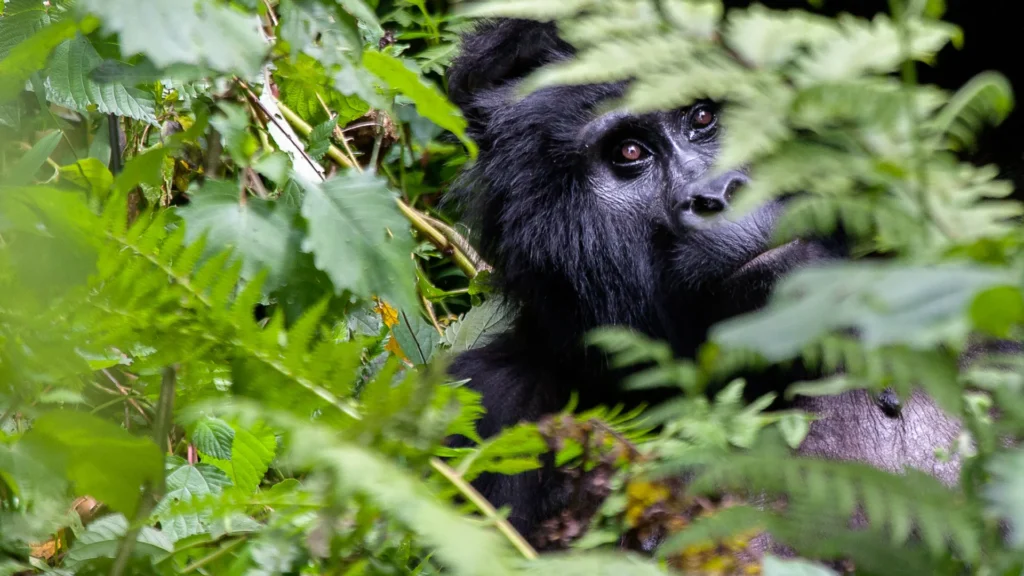
Gorilla trekking in Volcanoes National Park is an extraordinary wildlife experience that involves walking through the mountainous forests of northern Rwanda in search of endangered mountain gorillas. Unlike traditional wildlife safaris, where animals are observed from vehicles, Rwanda gorilla trekking requires visitors to enter the gorillas’ natural habitat on foot, accompanied by experienced park rangers and trackers. This makes physical preparation an important consideration for anyone planning to see gorillas in the wild.
One of the most frequently asked questions is how fit do you need to be for gorilla trekking in Rwanda? The answer depends on several factors, including your walking endurance, balance, mobility, the location of the allocated gorilla family and the prevailing conditions inside Volcanoes National Park. Some treks are relatively manageable, while others involve several hours of walking across steep, muddy and uneven mountain terrain.
Fortunately, mountain gorilla trekking does not require professional mountaineering experience. Many visitors with ordinary levels of fitness successfully complete their treks, including first-time hikers and older travellers. However, reasonable physical conditioning, suitable hiking equipment and an understanding of the environment can significantly improve comfort and confidence.
This comprehensive Volcanoes gorilla trekking fitness guide examines the physical demands of the activity, explains how altitude and terrain influence difficulty, provides a practical eight-week preparation programme and addresses common concerns about mobility, health, walking distances and porter assistance.
How Difficult Is Gorilla Trekking in Volcanoes National Park?
The difficulty of gorilla trekking in Volcanoes National Park varies considerably between trekking groups and individual days. There is no fixed walking distance, standard hiking route or guaranteed duration because the mountain gorillas move naturally through the forest in search of food and suitable resting areas.
Some visitors encounter their assigned gorilla family after a relatively short forest walk. Others may need to climb steep slopes, cross muddy sections and navigate thick vegetation before reaching the animals. The journey back can also be physically demanding, particularly when descending slippery mountain trails.
The Rwanda Development Board, through the official Visit Rwanda tourism platform, explains that visitors assemble at the park headquarters in Kinigi at 7:00 a.m. and that fitness levels are considered when allocating gorilla families. This arrangement helps park staff assess the abilities of different visitors, although it does not guarantee that any particular trek will be easy.
What Makes Gorilla Trekking Physically Demanding?
Several characteristics of the Virunga mountain environment influence gorilla trekking physical requirements.
Steep volcanic slopes: The park occupies mountainous terrain associated with the Virunga volcanoes. Some trekking routes involve sustained uphill walking, which places additional demands on the legs and cardiovascular system.
Uneven forest ground: Visitors may encounter exposed roots, loose stones, vegetation-covered obstacles and irregular natural surfaces. These conditions require balance and careful foot placement.
Mud and slippery trails: Rainfall can make forest paths slippery, especially on steep descents. Even experienced hikers may need to slow down considerably.
Dense mountain vegetation: Bamboo, shrubs and thick undergrowth can make movement more difficult than walking along a maintained hiking trail.
High-altitude conditions: Walking at elevation can feel more demanding than similar exercise at sea level, particularly for visitors arriving from low-altitude countries.
Unpredictable trekking duration: The gorillas’ movements determine where the trekking group must travel, so visitors should prepare for a range of possible walking conditions.
These factors make Volcanoes National Park gorilla trekking a genuine wilderness activity rather than a conventional sightseeing excursion.
How Fit Do You Need to Be for Rwanda Gorilla Trekking?
A reasonable level of cardiovascular endurance, leg strength and balance is recommended for Rwanda gorilla trekking. Visitors should ideally be comfortable walking for extended periods, including uphill sections and uneven surfaces.
However, there is no universal fitness test that every participant must pass. A person who regularly enjoys countryside walks may find the activity manageable, while someone who rarely exercises may struggle with sustained climbing or slippery ground.
A useful preparation benchmark is being able to complete a two- to three-hour walk over varied terrain at a comfortable pace. This is not an official park requirement, nor does it guarantee that every gorilla trek will be easy. It is simply a practical way to assess your readiness for an activity that may involve several hours outdoors.
Assessing Your Current Fitness Level
Before booking gorilla trekking in Rwanda, consider the following questions:
- Can you walk continuously for 60–90 minutes without excessive exhaustion?
- Can you climb several flights of stairs at a comfortable pace?
- Are you confident walking on grass, gravel or uneven countryside paths?
- Can you descend a slope without significant knee pain or balance difficulties?
- Can you recover comfortably after moderate physical activity?
- Are you able to carry a light daypack, or would porter assistance be helpful?
These questions provide a starting point for evaluating your gorilla trekking fitness level. They are not substitutes for medical assessment, particularly for visitors with existing health conditions.
Understanding the Terrain of Volcanoes National Park
Volcanoes National Park protects part of the Virunga Massif, a volcanic mountain system extending across Rwanda, Uganda and the Democratic Republic of the Congo. The landscape includes forested slopes, bamboo vegetation, montane ecosystems and high-elevation habitats that support endangered mountain gorillas.
The park’s terrain differs substantially from the open grasslands associated with conventional African wildlife safaris. Visitors cannot simply follow a smooth pathway to a permanent gorilla viewing location. Instead, trekking teams move through the natural environment to reach the family located by trackers.
Bamboo Forest Terrain
Some trekking routes pass through bamboo-dominated vegetation. These areas may contain narrow passages, fallen bamboo, exposed roots and damp ground. Although bamboo forest can sometimes offer relatively open walking conditions, it should not automatically be considered easy terrain.
The difficulty depends on the slope, trail condition and location of the gorillas. Visitors should wear clothing that protects their arms and legs from vegetation.
Montane Forest and Dense Undergrowth
Other routes enter thicker mountain forest, where vegetation may be more difficult to navigate. Rangers sometimes clear passages where necessary, but the terrain remains natural and irregular.
Long trousers, sturdy footwear and protective gloves are particularly useful in these conditions. Visitors should also remain close to their guides and avoid attempting shortcuts.
Steep Slopes and Volcanic Ground
The Virunga Mountains contain steep hillsides and volcanic landscapes that can require sustained climbing. Uphill walking increases breathing and heart rate, while descending places considerable demands on the knees and stabilising muscles.
Travellers with limited hill-walking experience should include controlled uphill and downhill training before departure.
How Long Is the Gorilla Trekking Walk?
One of the biggest misconceptions about gorilla trekking duration is that the activity lasts only one hour. In reality, the one-hour limit refers to the standard period visitors are allowed to spend observing the gorillas after reaching them.
The walking portion can be considerably longer. Depending on the gorilla family’s location and the route, visitors may spend anything from a relatively short period to several hours reaching the animals, followed by the return journey.
There is no reliable fixed distance that applies to every trek. Even a relatively short route may feel demanding if it contains steep or muddy sections.
Why Walking Distance Changes Daily
Mountain gorillas move naturally through their habitat while feeding, resting and interacting with other members of their family. Their location can change overnight or during the morning.
Trackers monitor the movements of habituated gorilla groups and communicate with the trekking teams. However, the animals are not confined to specific viewing sites, and their movements cannot be controlled to accommodate visitors.
This unpredictability is an important reason to prepare for a range of physical conditions rather than relying on an advertised walking distance.
Altitude and Its Effect on Gorilla Trekking Fitness
Rwanda gorilla trekking altitude is an important consideration because the Virunga mountain environment is substantially higher than many travellers’ home locations.
At elevation, reduced atmospheric pressure means less oxygen is available with each breath. Visitors may notice that climbing hills feels more demanding, even when they are normally physically active.
According to the CDC Yellow Book, altitude can reduce exercise performance, and physical fitness does not eliminate the risk of altitude illness. Acclimatisation, individual susceptibility and the rate of ascent are important factors.
Can Fit People Experience Altitude Problems?
Yes. A physically fit person may still develop altitude-related symptoms. Fitness improves the ability to perform physical activity but does not provide immunity against altitude illness.
Possible symptoms include headache, unusual fatigue, nausea and dizziness. More serious symptoms require urgent medical assessment.
Travellers with heart disease, significant respiratory conditions or previous altitude-related illness should seek appropriate medical advice before undertaking strenuous activities at elevation.
How to Prepare for Higher Altitude
Visitors can improve their comfort by avoiding unusually strenuous exercise immediately after arrival, getting adequate rest and allowing time to adjust where their itinerary permits.
A night near Musanze or Kinigi may make trekking-day logistics more comfortable, but a single overnight stay should not be described as complete altitude acclimatisation.
Anyone experiencing concerning symptoms should inform their guide rather than attempting to continue through worsening illness.
Eight-Week Fitness Training Programme for Gorilla Trekking
Preparing for Volcanoes National Park gorilla trekking is best approached gradually. The objective is not to achieve athletic performance but to improve walking endurance, strengthen the legs and become comfortable moving across uneven ground.
The following programme is a general preparation framework for healthy adults. Exercise intensity should be adjusted to individual ability, and people with medical conditions or recent injuries should obtain suitable professional advice.
Weeks 1–2: Establish Walking Endurance
Begin with regular walks of approximately 20–40 minutes, depending on your current fitness. Aim for consistency rather than speed, and choose routes that allow you to maintain a comfortable breathing rhythm.
If you already walk regularly, gradually extend the duration of selected sessions. If you are relatively inactive, begin with shorter distances and increase them only when comfortable.
During this stage, pay attention to posture, footwear and any recurring discomfort in your knees, ankles or lower back.
Weeks 3–4: Introduce Hills and Strength Training
Gradually include uphill walking, stairs or inclined treadmill sessions. These activities help strengthen the muscles used when climbing the forested slopes of Volcanoes National Park.
Add simple strength exercises such as controlled step-ups, calf raises and supported squats. Balance exercises may also help improve stability on uneven surfaces.
Avoid increasing walking distance, speed and elevation gain simultaneously. Progressive training is more useful than exhausting yourself during occasional demanding sessions.
Weeks 5–6: Build Trekking Endurance
During the middle phase of preparation, aim to complete longer outdoor walks that include some uneven terrain. The duration should reflect your individual fitness rather than an arbitrary target.
Practise walking uphill at a sustainable pace and descending carefully. If you plan to use trekking poles, become familiar with them during training rather than experimenting for the first time in Rwanda.
You may also practise carrying a small daypack containing water and lightweight essentials.
Weeks 7–8: Practise Realistic Conditions
During the final preparation period, focus on maintaining endurance and developing confidence over varied terrain.
Complete several walks in your intended hiking boots, including some hills and controlled descents. Practise walking slowly and steadily rather than trying to maintain a fast pace.
In the final days before departure, reduce demanding exercise and allow sufficient recovery. Arriving rested is more beneficial than beginning your mountain gorilla trekking adventure with sore muscles or an avoidable injury.
Best Exercises for Gorilla Trekking Preparation
Hill Walking
Hill walking for gorilla trekking closely resembles some of the physical demands encountered in the Virunga Mountains. It strengthens the legs, improves cardiovascular endurance and develops confidence on gradients.
Where possible, include both uphill and downhill sections. Descending is especially useful preparation because slippery mountain slopes can challenge the knees and balance.
Stair Climbing
Stair climbing is a practical alternative for travellers who live in flat areas. It can strengthen the thighs and calves while improving the ability to sustain uphill effort.
Begin with manageable sessions and avoid overtraining, particularly if you have existing knee discomfort.
Step-Ups and Squats
Step-ups help develop strength in the muscles used for climbing and negotiating obstacles. Controlled squats can strengthen the thighs and hips.
These exercises should be performed with appropriate technique and adapted to individual mobility.
Balance Exercises
Balance is essential when crossing muddy sections, stepping over roots or descending uneven ground. Simple balance activities, performed with stable support where necessary, can help improve confidence.
Cardiovascular Exercise
Walking, cycling, swimming and other suitable aerobic activities can improve general endurance. However, walking on varied terrain remains particularly relevant because it resembles the movements required during trekking.
Gorilla Trekking for Seniors and Older Travellers
Gorilla trekking for seniors in Rwanda is possible for many older visitors, including people in their sixties, seventies and beyond. There is no general maximum age limit, although individual health and mobility are important.
A physically active older traveller may find the trek more manageable than a younger visitor who rarely exercises. Age alone therefore provides limited information about trekking ability.
Older travellers should consider their walking endurance, balance, joint comfort and ability to manage uneven terrain.
Practical Preparation for Senior Travellers
Begin fitness preparation early and progress gradually. Choose supportive footwear and practise walking on hills or uneven surfaces where possible.
Consider porter assistance and communicate any mobility concerns to the safari operator before travelling.
Visitors with cardiovascular conditions, respiratory problems or significant joint difficulties should obtain appropriate medical advice.
Gorilla Trekking With Knee, Back or Joint Problems
Travellers with knee discomfort or other joint conditions often ask whether Rwanda gorilla trekking is suitable for them.
The answer depends on the severity of the condition, the individual’s functional ability and medical guidance. Steep descents may place considerable stress on the knees, while uneven terrain can challenge balance.
A porter may help with stability, but assistance cannot eliminate every physical demand.
Visitors should avoid assuming that a shorter route will automatically be available. Specific mobility requirements must be discussed before booking.
Porter Assistance During Volcanoes Gorilla Trekking
Hiring a gorilla trekking porter in Rwanda can make the experience more comfortable.
Porters commonly help carry personal belongings and provide support on difficult sections of the trail. This allows visitors to concentrate on walking safely rather than managing additional weight.
Porter employment also provides an economic benefit to communities surrounding the protected area.
Should Fit Travellers Hire a Porter?
Even physically fit visitors may benefit from porter assistance, especially when the ground is muddy or the route includes steep sections.
A porter can carry water, snacks, rainwear and other personal essentials.
The service is generally arranged separately from the standard gorilla permit, and current charges should be confirmed locally.
Specialised Mobility Assistance
Travellers with substantial mobility limitations may need specialised arrangements rather than ordinary porter support.
Such assistance must be discussed and coordinated in advance. Availability, suitability and safety depend on the individual circumstances and operational conditions.
What to Wear for Gorilla Trekking
Appropriate clothing can significantly improve comfort during Volcanoes National Park gorilla trekking.
Hiking Boots
Choose supportive boots with reliable traction. Water-resistant footwear is particularly useful because forest trails can remain wet even during relatively dry periods.
Break in new boots before travelling to reduce the risk of blisters.
Long Trousers and Long Sleeves
Long clothing protects against vegetation, insects and minor scratches. Lightweight, quick-drying fabrics are generally preferable to heavy materials that remain wet.
Waterproof Jacket
Rain can occur throughout the year in the mountain environment. A lightweight waterproof jacket is therefore essential.
Gardening Gloves
Durable gloves help protect the hands when using vegetation for balance or moving through areas containing nettles.
Walking Stick
A walking stick or trekking pole may improve stability on steep or slippery ground. Follow ranger instructions regarding its use near the gorillas.
How Rainfall Changes Gorilla Trekking Difficulty
Rwanda gorilla trekking weather varies throughout the year. Relatively drier periods commonly occur from June to September and during parts of December to February, while wetter conditions are often associated with March to May and October to November.
However, the Virunga Mountains can receive rainfall in any month.
Wet conditions can make trails slippery, increase walking effort and reduce comfort. Visitors may need to move more slowly, particularly when descending slopes.
The best time for gorilla trekking in Rwanda therefore depends partly on individual preferences and tolerance for wet hiking conditions.
Health and Safety Considerations
Physical preparation is only one part of responsible mountain gorilla trekking.
Visitors must follow the instructions of authorised park guides and rangers throughout the activity.
The standard minimum age for gorilla trekking in Rwanda is 15 years. The standard gorilla viewing period is limited to one hour, and each habituated group receives a limited number of visitors.
Because gorillas are susceptible to human illnesses, visitors with potentially contagious symptoms should inform park staff and follow their guidance.
Visitors must also respect the required separation distance, avoid touching gorillas and refrain from using flash photography.
Common Fitness Mistakes to Avoid
One common mistake is assuming that gorilla trekking is easy because the actual gorilla encounter lasts only one hour. The walking before and after the encounter may require substantially more effort.
Another mistake is arriving with new hiking boots that have never been worn outdoors. Poorly fitting footwear can cause blisters and discomfort.
Some travellers also underestimate the importance of downhill walking. Descending slippery slopes may be more challenging than climbing, particularly for visitors with knee problems.
Finally, visitors should not exaggerate their fitness when discussing trekking arrangements. Honest communication helps guides understand individual limitations.
Frequently Asked Questions About Volcanoes Gorilla Trekking Fitness
How physically fit do I need to be for gorilla trekking?
Reasonable walking endurance, leg strength and balance are recommended. You should ideally be comfortable walking for several hours over varied terrain, although actual trekking conditions differ.
Is gorilla trekking in Rwanda difficult?
It can be moderately demanding or strenuous depending on the gorilla family’s location, terrain, weather and individual fitness.
Can beginners go gorilla trekking?
Yes. Many first-time hikers participate successfully after suitable preparation.
Can overweight people trek gorillas?
Body weight alone does not determine suitability. Walking ability, balance, mobility and general health are more relevant considerations.
Is gorilla trekking suitable for people over 70?
Many older visitors can participate, provided their health and mobility are appropriate for the activity.
Can I request an easier trek?
You can communicate your fitness limitations during the briefing, but a particular route or difficulty level cannot be guaranteed.
How many hours does gorilla trekking take?
The total duration varies. Some groups reach gorillas relatively quickly, while others walk for several hours before the encounter.
Do I need hiking experience?
Previous hiking experience is useful but is not universally required. Appropriate preparation is more important.
Is altitude a serious concern?
Altitude can increase physical effort and may affect some visitors. Travellers with relevant medical conditions should seek professional advice.
Should I hire a porter?
Porter assistance is recommended for visitors who want help carrying belongings or negotiating difficult terrain.
Can I trek during the rainy season?
Yes, subject to park operations. Wet conditions can make walking more demanding.
What is the most important fitness preparation?
Regular walking, progressive hill training, leg strengthening and balance practice provide a useful foundation.
Can I stop for breaks?
Guides generally manage group progress and can consider reasonable rest stops, although operational conditions vary.
What happens if I cannot complete the trek?
Inform your guide immediately. The available response depends on your condition, location and park arrangements. Completion or a refund should not be assumed.
Final Advice: Preparing for Volcanoes National Park Gorilla Trekking
Volcanoes gorilla trekking fitness preparation should focus on realistic expectations rather than exceptional athletic ability. Most travellers benefit from improving walking endurance, strengthening their legs, practising on uneven ground and becoming familiar with their hiking equipment.
The most important consideration is that mountain gorilla trekking in Rwanda takes place in a natural, unpredictable mountain environment. Trekking difficulty can change from day to day, and even experienced hikers must remain flexible.
With appropriate preparation, honest communication about mobility and support from authorised guides, many visitors can enjoy the extraordinary opportunity to observe endangered mountain gorillas in the wild.
For assistance with Rwanda gorilla trekking permits, accommodation near Volcanoes National Park, porter arrangements or suitable gorilla trekking tours, contact Gorilla Rwanda Safaris. Our team can help you plan a responsible visit based on your travel dates, physical requirements and interests.