
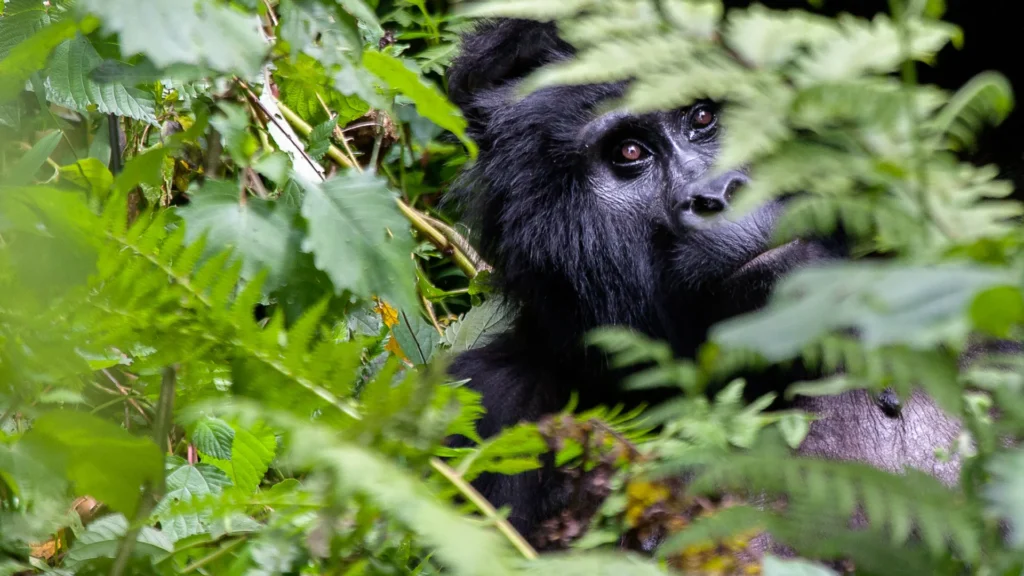
Volcanoes gorilla trekking weather is one of the most important considerations when planning a journey into Rwanda’s Virunga Mountains. The national park occupies a high-altitude volcanic landscape where mist, rain, cool temperatures and changing forest conditions are part of the natural environment. Understanding these conditions helps visitors choose suitable travel dates, prepare for the physical demands of trekking and develop realistic expectations about their experience.
Volcanoes National Park, in northwestern Rwanda, protects forested slopes associated with five volcanoes: Karisimbi, Bisoke, Sabyinyo, Gahinga and Muhabura. The landscape includes bamboo forest, evergreen vegetation, mountain grassland, swamp and heath. These different habitats experience varying exposure to moisture, wind and temperature, so weather conditions can change noticeably as visitors move through the park.
Although Rwanda gorilla trekking operates throughout the year, no season guarantees sunshine or completely dry trails. Even during the main dry season, the mountain forest may receive showers, and shaded paths can remain muddy after earlier rainfall. Conversely, a trek during a rainy month may take place under cloudless skies for much of the morning.
The most useful approach is to understand broad seasonal patterns without treating them as guarantees. This guide explores the park’s climate, explains how rain affects walking conditions, compares different times of year and provides detailed advice for preparing for a safe and comfortable mountain gorilla trekking experience.
Why Volcanoes National Park Has a Distinctive Climate
The weather in Volcanoes National Park differs from conditions in Kigali and Rwanda’s lower-elevation destinations because the park lies within the Virunga mountain system. Elevation, forest cover, topography and moving air masses combine to create a relatively cool, moisture-rich environment.
When moist air encounters mountain slopes, it may rise and cool, encouraging cloud formation and rainfall. This process helps explain why a weather forecast for Musanze town does not necessarily describe the conditions that visitors will encounter higher inside the forest.
The park also contains different vegetation zones. Bamboo forest, montane woodland and higher open vegetation do not provide identical shelter from wind or rain. A route passing through several habitats can therefore feel very different from one confined to a relatively sheltered area.
Altitude and Temperature
The official Visit Rwanda hiking guidance describes the Virunga Massif as extending from approximately 2,400 metres to 4,507 metres in elevation. Gorilla trekking does not involve climbing to the summit of Karisimbi, but it takes place within this elevated mountain environment.
Air temperature generally decreases with increasing altitude, although local conditions vary. Visitors may begin the morning in relatively comfortable conditions near Kinigi before encountering cooler air, wind or mist at higher elevations.
The physical effort of climbing also influences how temperature feels. A visitor may become warm while ascending but cool down quickly when stopping to observe the gorillas.
Forest Humidity
Dense vegetation can retain moisture after rainfall. Leaves, grasses and bamboo may remain wet long after the sky has cleared, transferring water to clothing as trekkers pass through.
High humidity also slows the drying of some fabrics. Heavy cotton garments can become uncomfortable, particularly when combined with perspiration from uphill walking.
Localised Rainfall
Mountain rainfall can be unevenly distributed. One part of the park may receive a shower while another remains dry, and weather may change during the course of a single trek.
This variability is why Volcanoes National Park weather forecasts should be treated as useful planning information rather than precise predictions for an individual gorilla encounter.
Rwanda’s Rainy and Dry Seasons
Rwanda’s official tourism guidance identifies two principal rainy periods, from approximately mid-February to May and from mid-September to mid-December. The main dry season extends from June to mid-September, when roads and paths generally become easier to navigate.
These national seasonal patterns also influence Volcanoes National Park, although the mountains can remain wet throughout the year.
Main Dry Season: June to Mid-September
The Volcanoes National Park dry season is popular because rainfall is generally lower and some forest paths may be less muddy. This can make walking more comfortable, particularly on steep descents or routes with exposed roots.
However, dry-season travel does not eliminate rain. The park’s mountain climate can produce showers, mist and wet vegetation even in July or August.
Visitors should still bring waterproof jackets, suitable hiking boots and protective clothing. It is also important to remember that a dry trail does not necessarily mean an easy trek; the gorilla family’s location remains a major factor.
Main Rainy Period: Mid-February to May
The first major rainy period commonly brings wetter forest conditions. Repeated rainfall can saturate soil, soften trails and increase the effort required to climb or descend.
The landscape may be especially green, and mist can create atmospheric views across the volcanic slopes. These conditions appeal to some photographers and nature enthusiasts, but visitors should be prepared for reduced traction and greater moisture exposure.
A rainy-season trek remains a legitimate wildlife experience rather than an inferior version of a dry-season visit. The main difference is the level of preparation required.
Second Rainy Period: Mid-September to Mid-December
Rainfall generally increases again from around mid-September. October and November can involve wet trails, heavy vegetation and periods of cloud or mist.
Conditions vary between individual days. A morning may begin dry before rain develops later, or a shower may pass before the trekking group enters the forest.
Visitors travelling during this period should allow time for clothing and boots to dry between activities, particularly if they are undertaking several outdoor excursions.
Shorter Relatively Dry Interval
Late December and January may offer comparatively drier conditions, although the pattern is less dependable than the main dry season. February is often a transition month, with rainfall becoming more frequent as the main rainy period approaches.
These months can be attractive for travellers with fixed holiday dates, provided they remain prepared for mixed weather.
Volcanoes Gorilla Trekking Weather Month by Month
January: Mixed Conditions With a Relatively Drier Tendency
January often provides a comparatively drier window between the principal rainy seasons. Visitors may encounter clear mornings, scattered cloud and occasional rainfall, with cooler conditions at higher elevations.
Walking conditions can be comfortable, although shaded forest paths may still be damp. Waterproof clothing and boots remain essential because rainfall from previous days can influence trail conditions.
February: Increasing Weather Variability
February is a transition month, particularly from the middle of the month onwards. Rainfall may become more frequent, and the forest can feel increasingly damp.
Travellers should prepare for a combination of relatively dry periods and wet conditions. The exact timing of seasonal changes varies from year to year, so the month should not be divided into guaranteed weather categories.
March: Wetter Forest Conditions
March commonly falls within the main rainy period. Trails may become muddy, vegetation can be saturated and visibility across the volcanic landscape may vary with cloud and mist.
Visitors should prioritise footwear with good grip, gaiters and waterproof protection for cameras. Those who are unfamiliar with hiking on slippery terrain should prepare carefully.
April: Frequently Rainy Mountain Weather
April is commonly among the wetter periods of the year. Rain may affect the approach to the forest, the walking route and the return journey.
The park can be particularly lush, but soft ground and steep slopes may increase physical effort. Trekking remains possible subject to park operations and safety conditions.
May: Rainy Conditions Gradually Easing
May is generally associated with the later part of the main rainy season. Rainfall may begin to decrease, but the ground can remain wet after repeated showers.
A relatively clear morning does not necessarily mean that the trail has dried. Visitors should continue to prepare for mud and saturated vegetation.
June: Transition Into the Main Dry Season
June usually marks the beginning of the main relatively dry period. Forest paths may gradually become easier to negotiate as rainfall decreases.
Nevertheless, local showers remain possible, and the highland environment can feel cool. A waterproof jacket and light insulating layer are still recommended.
July: Popular Conditions for Trekking
July is often considered one of the more favourable months for gorilla trekking in Volcanoes National Park because rainfall is generally lower.
This can improve comfort on exposed slopes and reduce some of the challenges associated with mud. July is also a popular travel period, so visitors should arrange permits in advance rather than relying on last-minute availability.
August: Relatively Dry but Not Rain-Free
August commonly continues the main dry-season pattern. Visitors may enjoy clearer views of the volcanoes, although cloud and mist can still develop.
Forest moisture remains possible, particularly in sheltered areas. Suitable boots, long clothing and waterproof outerwear remain part of the standard equipment.
September: Changing Conditions
Early September may retain relatively dry conditions, while rainfall commonly increases from around the middle of the month.
Travellers visiting in September should consider their exact dates and remain flexible. The seasonal transition can occur gradually rather than on a fixed calendar day.
October: Return of Rainier Weather
October is generally associated with the second rainy period. Muddy paths, wet bamboo and reduced traction may increase the demands of trekking.
The forest can be visually striking, with deep green vegetation and mist across the mountains. Photographers should protect equipment and be prepared for changing light.
November: Frequently Wet Trails
November often brings substantial rainfall. Visitors may encounter muddy sections, saturated vegetation and periods of limited visibility.
Good footwear and careful pacing become especially important. Rain does not automatically prevent a gorilla encounter, but it can make reaching the animals more physically demanding.
December: A Seasonal Transition
Early December can retain rainy-season characteristics, while conditions may become relatively drier later in the month.
Visitors travelling over the holiday period should prepare for mixed weather. A forecast suggesting sunshine should not be used as a reason to leave waterproof equipment behind.
How Rain Changes Gorilla Trekking Trail Conditions
Rainfall affects the ground beneath visitors’ feet, sometimes more significantly than the air temperature. The difference between dry and wet volcanic soil can be substantial, especially where trails are steep or heavily used.
Mud and Soft Ground
Repeated rainfall softens soil and can create muddy sections that slow walking. Boots may sink into soft ground, requiring more energy to lift each foot and maintain balance.
Visitors should take shorter, controlled steps and avoid rushing. A trekking pole or locally provided walking stick may be useful, subject to ranger instructions.
Slippery Roots and Stones
Exposed roots and stones can become slippery when wet. These obstacles are particularly challenging during descents, when body weight shifts forward and the legs must control movement.
Good footwear improves traction, but it cannot remove every risk. Careful foot placement and following the guide’s route remain essential.
Wet Bamboo and Undergrowth
Rainwater can remain on leaves and stems for hours. Walking through this vegetation may soak trousers and sleeves even when it is not raining.
Long, quick-drying clothing and waterproof outer layers help reduce discomfort. Gloves protect the hands when navigating dense vegetation.
Steep Descents
Descending wet slopes can be more demanding than climbing them, particularly for visitors with knee discomfort or limited balance.
Visitors should communicate any concerns to their guide before the trek. Porter assistance may help, although it does not guarantee that difficult terrain can be avoided.
How Weather Affects Trekking Duration
Weather is one factor influencing the time required to reach a gorilla family, but it is not the only one. The animals move naturally through the forest, and trackers locate them according to their current position.
The official Visit Rwanda gorilla tracking guidance indicates that hikes can range from relatively short walks to four hours or more in some circumstances. Wet conditions may slow progress, especially where the route includes steep or slippery sections.
However, it would be misleading to claim that rainy-season treks are always longer. A gorilla family located relatively close to a starting point may still be reached quickly, even after rainfall. Visitors should therefore prepare for an uncertain duration rather than assuming that the season determines the length of the excursion.
Does Rain Affect Gorilla Sightings?
Rain does not automatically prevent mountain gorilla sightings. Gorillas live in the Virunga forest throughout the year and continue their natural feeding, resting and social activities under changing weather conditions.
However, wildlife encounters are never guaranteed. Gorilla families move naturally, and their location and behaviour cannot be controlled for tourism.
Trackers monitor habituated families and communicate with trekking guides, helping visitors reach the animals while respecting conservation rules. The success and duration of an encounter depend on operational and natural circumstances, not simply whether the weather is dry.
Weather and Gorilla Photography
Weather has a substantial effect on photography inside the forest. Mountain gorillas have dark fur, and the surrounding vegetation can create uneven lighting.
Overcast Conditions
Cloud cover often produces softer, more even light. This may reduce harsh shadows and help photographers capture detail in dark fur. However, overcast conditions also reduce the total amount of available light. Photographers may need to use higher ISO settings or wider apertures.
Mist and Cloud
Mist can create atmospheric images and convey the character of the Virunga Mountains. It may also reduce contrast and obscure distant backgrounds. A lens cloth and protective camera cover are useful because moisture can accumulate on equipment.
Rainfall
Rain can add texture and atmosphere to photographs, but it creates practical challenges. Water droplets may collect on lenses, and changing equipment in wet conditions can expose sensitive components. A compact weather-resistant camera setup is generally easier to manage than multiple lenses and accessories.
Bright Sunlight
Sunlight filtering through forest vegetation can produce strong contrasts between bright leaves and shaded gorillas. Careful exposure management helps preserve detail. Flash photography is prohibited during gorilla encounters, so visitors must work with available natural light.
Weather, Fitness and Physical Preparation
The difficulty of Volcanoes gorilla trekking is influenced by fitness, terrain, altitude, weather and the location of the assigned family.
Visitors who regularly walk on uneven ground may find wet conditions easier to manage than those accustomed only to paved surfaces. Hill walking, balance exercises and gradual endurance training can improve preparation.
A person with knee or ankle problems may prefer relatively dry conditions, but the park cannot guarantee a particular trail difficulty. Visitors should disclose relevant limitations and consider porter assistance.
Altitude also influences physical effort. Fitness does not eliminate the possibility of altitude-related illness, and travellers with significant medical concerns should seek appropriate advice before travelling.
Packing for Volcanoes National Park Weather
The most useful equipment combines traction, protection and flexibility. Visitors should avoid carrying excessive belongings while ensuring they are prepared for rain.
Recommended essentials include:
- Supportive hiking boots with reliable grip
- Long, quick-drying trekking trousers
- A breathable long-sleeved shirt
- A lightweight waterproof jacket
- Protective gloves and optional gaiters
- A compact insulating layer
- Drinking water and suitable snacks
- A waterproof pouch for electronics
- Personal medication and required health supplies
A porter can help carry belongings and provide assistance on difficult terrain. Current arrangements and charges should be confirmed locally.
Weather at Kinigi Versus Weather in the Forest
Visitors normally assemble at the park headquarters in Kinigi at 7:00 a.m., according to official Visit Rwanda guidance.
The weather at Kinigi may differ from conditions farther into the park. The briefing area is lower than some trekking locations, and the forest may be cooler, wetter or more exposed.
Visitors should therefore dress for the mountain environment rather than only for the conditions visible from their accommodation. A clear morning at the lodge does not justify leaving a waterproof jacket behind.
Can Weather Cancel Gorilla Trekking?
Gorilla trekking generally operates throughout the year, including during rainy periods. Ordinary rainfall is part of the mountain environment and does not automatically result in cancellation.
However, extreme weather, unsafe conditions or other operational concerns may affect park activities. Decisions are made by the relevant authorities according to prevailing circumstances.
Visitors should not assume that rainfall entitles them to a refund or rescheduling. Applicable permit terms should be checked before booking.
Best Weather for Different Types of Travellers
First-Time Hikers
Visitors with limited experience on muddy trails may prefer the relatively dry months from June to mid-September. These conditions can make some routes more comfortable, although an easy trek is never guaranteed.
Senior Travellers
Older visitors may also prefer relatively dry conditions, especially if they have balance or joint concerns. Individual fitness and mobility are more important than age alone.
Photographers
Photographers may enjoy both dry and rainy periods. Clearer weather can provide expansive mountain views, while mist and cloud create atmospheric forest conditions.
Travellers With Fixed Holiday Dates
Those travelling during school holidays, Christmas or other fixed periods should not feel that only one season offers worthwhile trekking. Proper preparation matters more than chasing a supposedly perfect month.
Frequently Asked Questions About Volcanoes Gorilla Trekking Weather
What is the best month for gorilla trekking in Volcanoes National Park?
June to August often provides relatively dry conditions, but the park offers trekking throughout the year, subject to operations.
Does it rain in Volcanoes National Park during July?
Yes. Rain remains possible even during the main dry season.
Is April too wet for gorilla trekking?
April is commonly rainy, but trekking can still take place. Visitors should prepare for muddy and slippery conditions.
Does rain make gorillas harder to find?
Rain does not automatically prevent encounters. Gorilla movements and location vary naturally, and sightings cannot be guaranteed.
Is Volcanoes National Park cold?
The park’s elevated mountain environment can be cool, particularly during early mornings and at higher elevations.
Does mist affect photography?
Mist can create atmospheric images but may reduce visibility and available light.
Are the trails muddy all year?
Some trails may be muddy throughout the year, although conditions are often wetter during rainy periods.
Should I bring waterproof boots in the dry season?
Yes. Wet vegetation and unexpected showers remain possible.
Does the park close during the rainy season?
Gorilla trekking generally operates year-round, subject to safety and operational decisions.
Is rainy-season trekking suitable for beginners?
It can be, but visitors should be prepared for more demanding walking conditions and seek advice about their individual fitness.
Can I request an easier gorilla trek?
You may communicate fitness limitations, but the park cannot guarantee a particular distance or difficulty level.
Does weather change the one-hour gorilla viewing limit?
The standard viewing limit remains one hour, subject to ranger instructions and operational circumstances.
Final Advice: Choosing the Best Weather for Volcanoes Gorilla Trekking
The best Volcanoes gorilla trekking weather depends on the visitor’s priorities. Relatively dry months often offer more comfortable walking, while wetter periods reveal the forest’s lush vegetation and misty mountain atmosphere.
No season eliminates the need for suitable footwear, waterproof clothing and realistic expectations. Gorilla trekking remains a natural wildlife experience shaped by the animals’ movements and the changing mountain environment.
For assistance with Rwanda gorilla trekking permits, seasonal planning and practical arrangements near Volcanoes National Park, contact Gorilla Rwanda Safaris.