
1 Day Bwindi Gorilla Trek
A one-day mountain gorilla trek in Bwindi for travellers who are already in southwestern Uganda.
View SafariHandpicked Kenya Safari Tours for Every Traveler
Conservation travel in Rwanda offers visitors an opportunity to experience remarkable African wildlife while learning about the long-term efforts required to protect endangered species, restore ecosystems and support communities living near national parks.
Rwanda has become internationally associated with wildlife protection, particularly the recovery and conservation of mountain gorillas.
Its national parks provide habitat for endangered species and protect ecosystems that deliver important environmental services.
Forests help regulate water systems, protect soils and support biodiversity. Wetlands provide habitat for aquatic species and contribute to ecological functioning. Savannah ecosystems support herbivores, predators and complex food webs.
Conservation therefore involves more than protecting individual animals.
Tourism generates revenue through park entry fees, permits, accommodation and related services.
When managed effectively, these revenues can support protected-area operations and create economic opportunities for surrounding communities.
However, tourism also creates environmental pressures.
Visitors use roads, accommodation, water and energy, while wildlife activities can disturb animals if poorly regulated.
Responsible tourism aims to maximise benefits while reducing negative impacts.
People living near national parks may experience both benefits and costs associated with wildlife protection.
Tourism can create employment, business opportunities and community development funding.
At the same time, protected areas may affect access to land and natural resources, while wildlife can sometimes damage crops or threaten livelihoods.
Successful conservation requires sustained cooperation between park authorities and surrounding communities.
Showing 1–12 of 222 safaris
A one-day mountain gorilla trek in Bwindi for travellers who are already in southwestern Uganda.
View SafariA single day in Kampala for the kasubi and palace area, a cultural show, and a market or…
View SafariA full day in Kigali covering the Genocide Memorial, a neighborhood market, and one or two museums.
View SafariA single day on Mount Bisoke, with the crater lake as the turnaround point.
View SafariThe 1 Day Rwanda Family Safari offers an exciting and educational wildlife adventure for families visiting Rwanda.
View SafariThe 3 Day Rwanda Gorilla and Akagera Safari combines mountain gorilla trekking in Volcanoes National Park with wildlife…
View SafariThe 4 Day Rwanda Gorilla and Nyungwe Safari combines mountain gorilla trekking in Volcanoes National Park with chimpanzee…
View SafariThe 1 Day Rwanda Gorilla Trekking Safari offers an unforgettable opportunity to encounter endangered mountain gorillas in their…
View SafariThe 1 Day Rwanda Honeymoon Safari offers couples a romantic escape to the beautiful shores of Lake Kivu,…
View SafariThe 1 Day Rwanda Luxury Safari offers an exclusive wildlife experience in Akagera National Park, Rwanda's premier Big…
View SafariThe 1 Day Rwanda Primates Safari offers an exciting opportunity to encounter Rwanda's endangered golden monkeys in the…
View SafariThe 1 Day Rwanda Wildlife Safari offers an exciting opportunity to explore Akagera National Park, Rwanda's premier savannah…
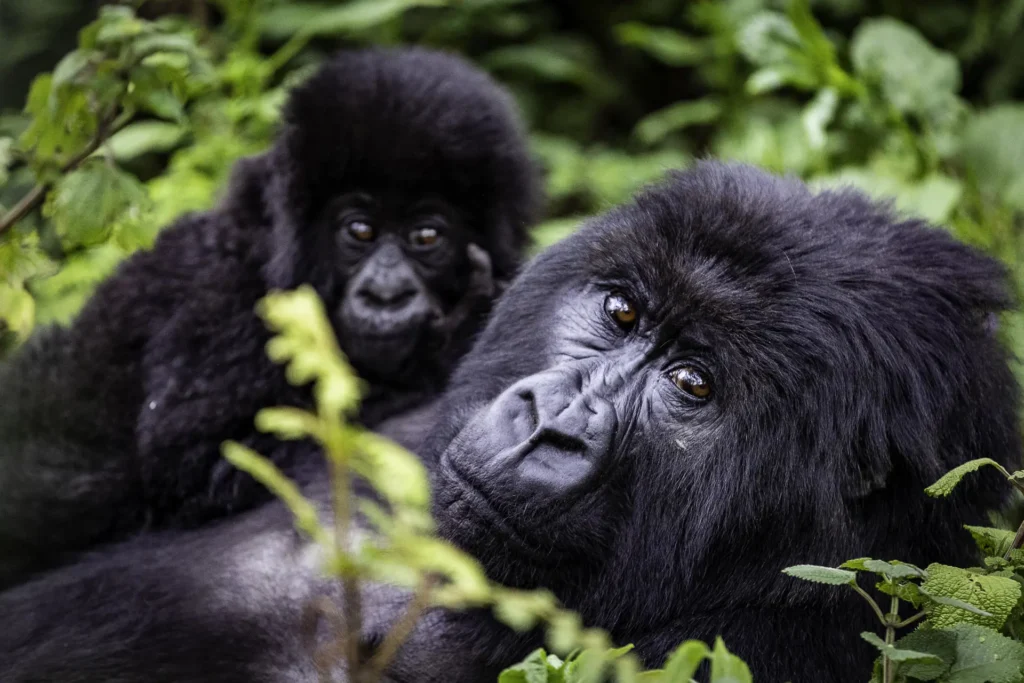
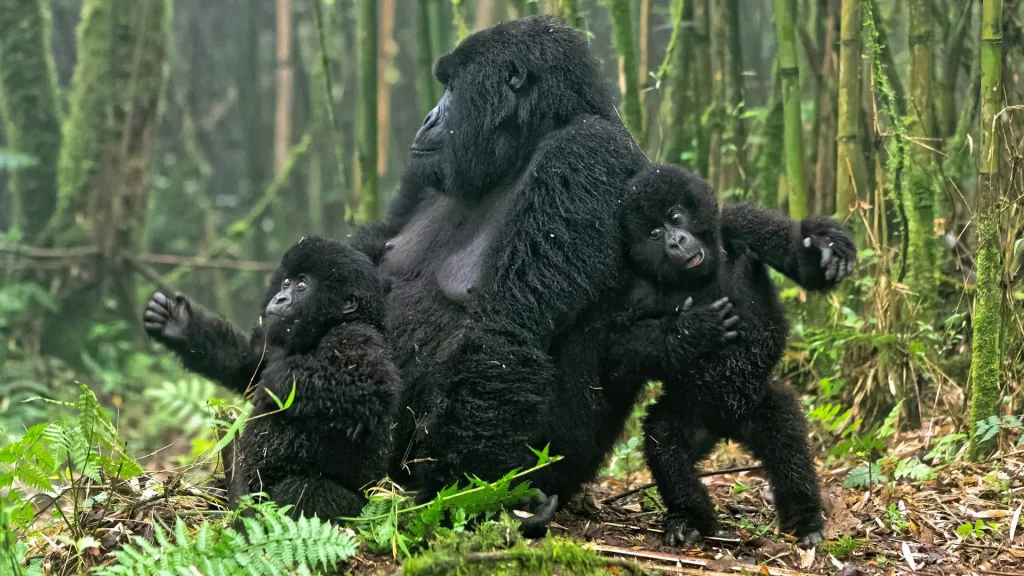
View SafariMountain gorilla conservation in Rwanda is one of the country's best-known environmental achievements.
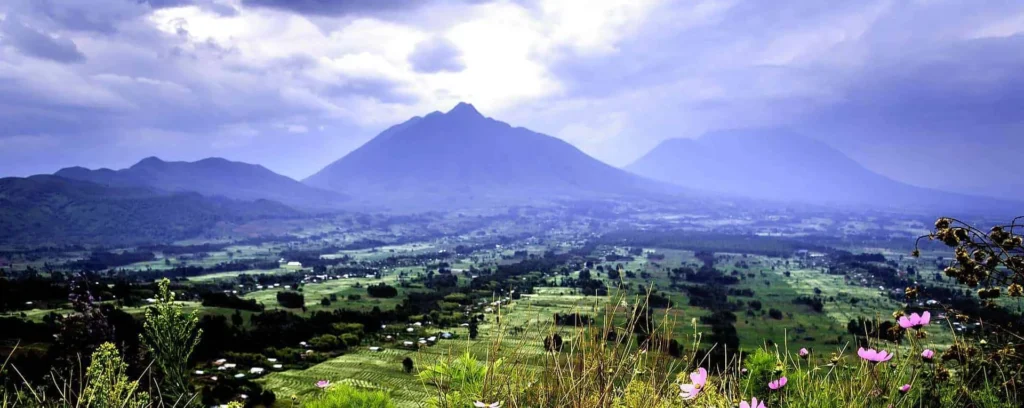
Mountain gorillas inhabit the Virunga Massif and Bwindi ecosystem across Rwanda, Uganda and the Democratic Republic of the Congo.
In Rwanda, they are protected within Volcanoes National Park.
These great apes depend on forest habitats and are vulnerable to habitat disturbance, disease and other threats.
Mountain gorillas reproduce relatively slowly.
Their populations can be affected by disease outbreaks, habitat pressures and human disturbance.
Because they share important biological similarities with humans, they are susceptible to certain infectious diseases transmitted by people.
Conservation therefore requires careful management of contact between gorillas and visitors.
Protecting the forest environment is essential for gorilla survival.
Mountain gorillas depend on vegetation for food, shelter and movement.
Habitat conservation also benefits numerous other species.
Park rangers play an important role in monitoring wildlife, enforcing regulations and protecting habitat.
Their work is part of the broader conservation system supporting mountain gorillas.
Specialist veterinary teams may monitor gorilla health and intervene when appropriate under established conservation protocols.
Such work is conducted by qualified professionals rather than ordinary tourists.
Long-term research contributes to understanding gorilla behaviour, health, population dynamics and conservation needs.
Tourists may learn about this work through appropriate educational experiences, but research access is subject to separate permissions.
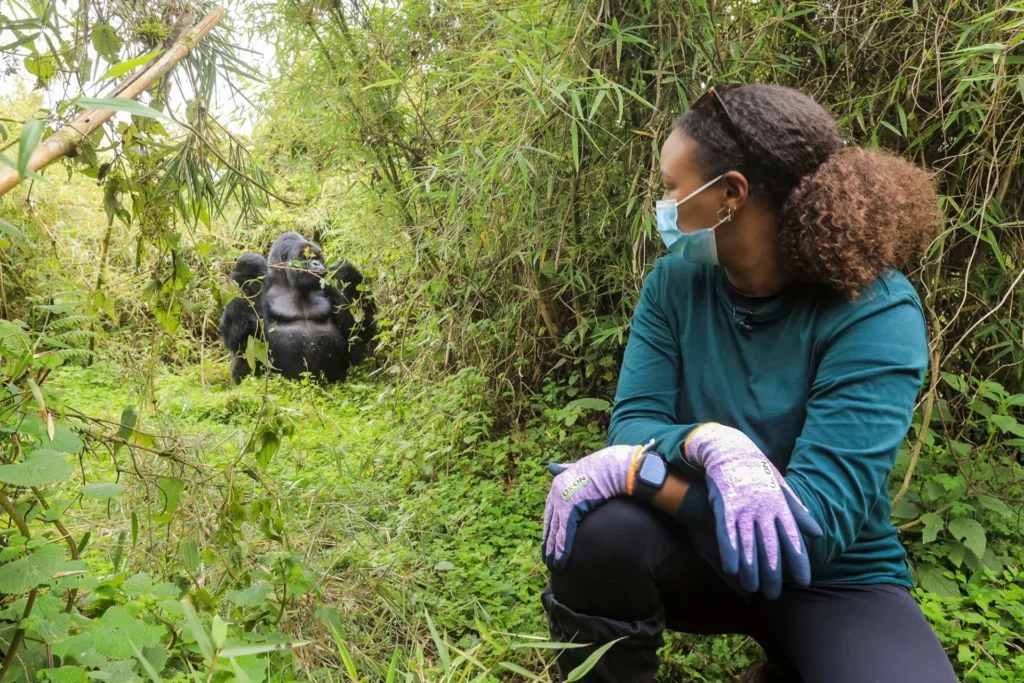
Gorilla trekking in Rwanda is a regulated tourism activity that allows visitors to observe habituated mountain gorillas.
The standard international visitor permit costs USD 1,500 per person, subject to current official rules and concessions.
Permit revenue contributes to the broader tourism and conservation system.
However, the value of gorilla tourism depends on strict visitor management.
Rwanda's official booking rules limit ordinary gorilla trekking groups to a maximum of eight visitors per gorilla family.
This helps regulate the number of people approaching habituated groups.
Visitors normally spend up to one hour with the gorillas after locating them.
The time limit is designed to reduce prolonged disturbance.
Visitors with symptoms of potentially transmissible illness may be refused access.
This is particularly important because gorillas are vulnerable to human respiratory infections.
Official rules require visitors to maintain the prescribed distance from gorillas and follow ranger instructions.
Flash photography is prohibited.
Visitors should avoid sudden movements and unnecessary noise.
A responsible gorilla encounter prioritises animal welfare over photography or visitor convenience.
The objective is to allow people to observe wildlife without undermining the conservation effort that makes the experience possible.
An important feature of Rwanda conservation tourism is the country's tourism revenue-sharing programme.
The Rwanda Development Board has reported that 10% of national park tourism revenues are reinvested in community development projects around protected areas.
These projects have supported priorities including schools, health facilities, water infrastructure and local livelihoods.
Communities near protected areas may experience restrictions or costs associated with conservation.
Revenue sharing aims to distribute some of the economic benefits of tourism to those communities.
Tourism-related funding can contribute to infrastructure that benefits local residents.
Community projects and tourism businesses may create opportunities for employment and entrepreneurship.
When communities receive meaningful benefits, they may have stronger incentives to support protected-area protection.
However, revenue sharing is not a complete solution to every conservation challenge.
Effective conservation also requires fair governance, ongoing engagement and responses to local concerns.
Kwita Izina is one of Rwanda's best-known conservation events.
The ceremony celebrates the naming of baby mountain gorillas and draws attention to conservation achievements.
It also provides an opportunity to discuss the role of wildlife protection in Rwanda's tourism and development.
The event draws on the Rwandan tradition of naming newborn children.
This cultural connection helps communicate the importance of gorilla conservation.
Kwita Izina attracts attention to mountain gorillas and the wider conservation effort.
The event also highlights the relationship between tourism, protected areas and local communities.
Travellers interested in the event should verify the official date, venue and access arrangements.
The ceremony should not be assumed to take place on the same date every year.
Akagera National Park provides a different but equally important conservation story.
Located in eastern Rwanda, the park protects savannah, woodland, lakes and wetlands.
It supports lions, leopards, elephants, buffaloes, rhinoceroses and numerous other species.
Akagera experienced severe wildlife declines during periods of environmental pressure and human disturbance.
Conservation partnerships have helped strengthen park management and restore important species.
In 2010, the Rwanda Development Board and African Parks established a management partnership for Akagera.
The partnership has supported conservation management, wildlife restoration and tourism development.
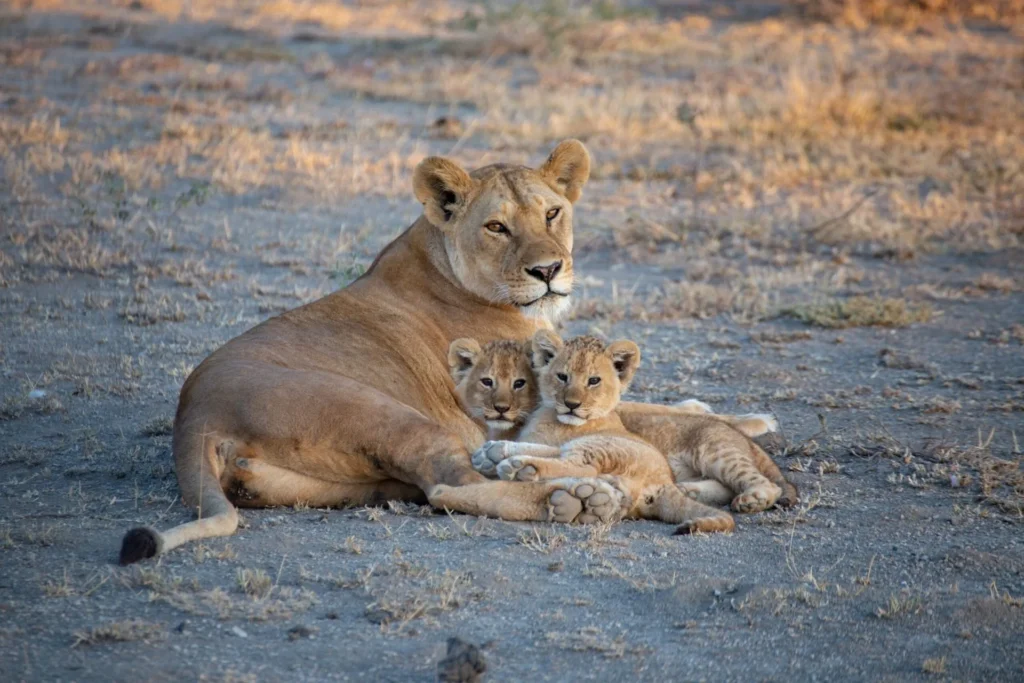
Lions were reintroduced in 2015 after disappearing from the park.
Their return restored an important large predator to the ecosystem.
Eastern black rhinoceroses were reintroduced beginning in 2017.
Further introductions have supported the development of the population.
Southern white rhinoceroses were introduced in 2021, with additional animals brought to the park in 2025.
Reintroducing animals requires suitable habitat, veterinary assessment, transport planning, monitoring and long-term protection.
It is not simply a matter of releasing animals into a park.
A conservation safari in Akagera can introduce visitors to the challenges of managing a savannah ecosystem.
Lions, leopards and other predators influence herbivore populations and behaviour.
Elephants, buffaloes, zebras and antelopes use habitats differently and influence vegetation.
Akagera's lakes and wetlands support hippos, crocodiles, birds and aquatic organisms.
Conservation managers must consider how wildlife movements affect surrounding communities.
Guided interpretation can help visitors understand monitoring, tourism regulation and habitat management.
Nyungwe Forest National Park protects extensive montane rainforest in southwestern Rwanda.
The forest supports chimpanzees, colobus monkeys, other primates, birds and diverse plant life.
Its conservation importance extends beyond wildlife tourism.
Nyungwe contains habitats supporting numerous species, including those associated with the Albertine Rift.
Montane forests contribute to water regulation and watershed protection.
Forests store carbon in vegetation and soils.
Protecting forest ecosystems can therefore contribute to broader environmental objectives.
Chimpanzees require suitable habitat and protection from human disturbance.
Tourism activities must be regulated to reduce risks.
Scientific studies help improve understanding of biodiversity, ecological processes and conservation needs.
Gishwati-Mukura National Park provides an important example of forest conservation and restoration.
The protected area includes forest habitats affected by historical land-use pressures.
Restoration efforts seek to improve habitat quality and biodiversity protection.
When forests become separated into smaller patches, wildlife movement and ecological processes may be affected.
Improving connections between habitats can support wildlife movement and long-term ecological resilience.
Gishwati supports primate species, including chimpanzees.
However, visitor activities and access arrangements differ from those in more established tourism destinations.
Forest restoration must consider the needs and livelihoods of surrounding communities.
Rwanda's environmental challenges and opportunities extend beyond its protected areas.
Wetlands support biodiversity, regulate water and provide important ecosystem services.
Agriculture and conservation are closely connected in a densely populated country.
Vegetation cover and land management influence erosion and soil quality.
Cities also face challenges related to waste, green spaces, water and development.
Healthy ecosystems can help communities adapt to environmental change.
Conservation travel can therefore include learning about broader environmental issues, not only wildlife encounters.
Community-based tourism in Rwanda can provide opportunities for visitors to learn about local livelihoods, culture and conservation relationships.
However, not every activity marketed as community tourism provides equal benefits.
Hiring knowledgeable local guides can support employment and improve visitor understanding.
Responsible cultural activities should respect participating communities.
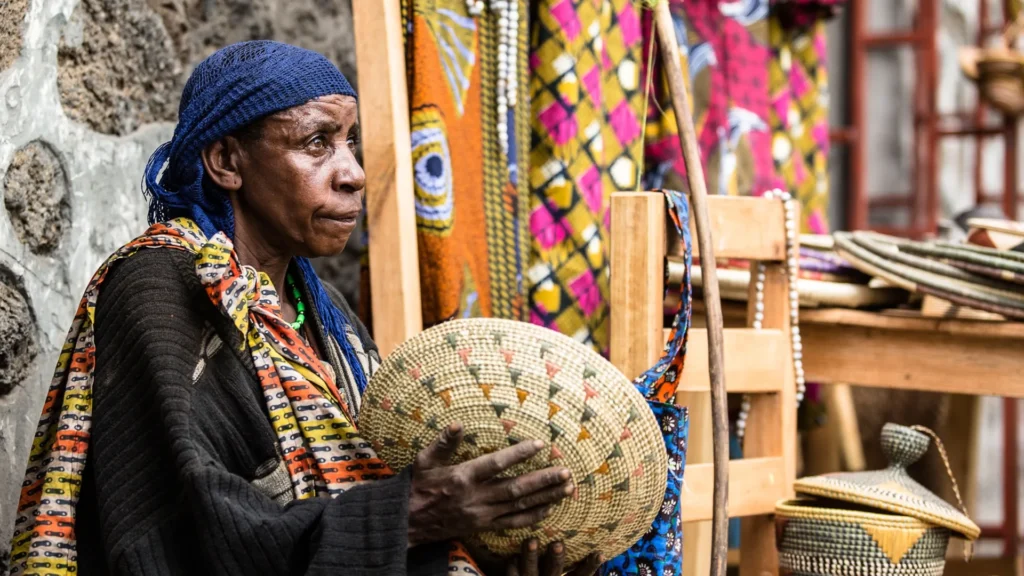
Purchasing locally produced crafts may support small businesses.
Selected coffee and tea experiences can introduce visitors to local production and livelihoods.
Visitors should favour activities that provide transparent and appropriate benefits to participants.
Accommodation can influence the environmental impact of a safari.
Travellers may consider energy use, water management, waste practices and local employment.
Some lodges use renewable energy or efficiency measures.
Water use is particularly important in environmentally sensitive areas.
Responsible properties should manage waste appropriately.
Employment and training opportunities can contribute to local economic benefits.
Terms such as eco-lodge and sustainable resort do not automatically prove environmental performance.
Travellers should look for specific practices rather than relying solely on marketing descriptions.
Wildlife photography can promote appreciation for conservation, but it can also create pressure to approach animals too closely.
Visitors should follow guide instructions and maintain appropriate distances.
Flash photography is prohibited during gorilla trekking.
Drones may be restricted or require authorisation.
Wildlife should never be baited or disturbed for photographs.
Ethical photography prioritises animal welfare over obtaining a particular image.
Some travellers are interested in conservation volunteering or research participation.
However, ordinary safari bookings do not automatically provide access to scientific projects.
Formal research may require separate permissions from relevant authorities.
Veterinary interventions, wildlife monitoring and other technical activities require appropriate qualifications.
Travellers should investigate organisations carefully before committing to volunteer placements.
Short-term projects should demonstrate genuine conservation or community benefits.
Activities should not be arranged simply to provide visitors with photographs or a sense of participation.
Rwanda can be an important destination for educational groups studying conservation biology, ecology, tourism and sustainable development.
University programmes may examine mountain gorilla protection, species reintroduction, forest restoration and community tourism.
However, institutional meetings, research access and specialist visits must be requested and confirmed.
A standard tourist safari should not be presented as a formal scientific research programme.
Rwanda can be visited throughout the year.
The relatively drier periods of June to September and December to February are popular for trekking and outdoor activities.
Wetter months may provide opportunities to observe lush forest conditions, although trails can be more difficult.
Conservation-focused travellers should select dates according to the experiences they want to study.
The cost of a Rwanda conservation safari depends on permits, accommodation, transport and activities.
The standard international gorilla permit costs USD 1,500 per person.
Other national park activities have separate fees.
Private guiding and accommodation choices also influence the total.
Travellers should request clear quotations and avoid assuming that every tourism payment goes directly to a conservation project.
Visitors can support responsible tourism through practical decisions.
Follow park regulations.
Use reputable operators.
Respect wildlife viewing distances.
Choose suitable accommodation with credible environmental practices.
Support fair community tourism experiences.
Avoid littering and unnecessary waste.
Respect local people and seek permission before photography.
Learn about conservation challenges rather than focusing only on famous animals.
These actions may seem modest, but they help support responsible visitor behaviour.
Yes. Rwanda offers important examples of mountain gorilla protection, wildlife restoration and forest conservation.
Permit revenue contributes to the broader conservation and tourism system, including community revenue sharing.
The Rwanda Development Board has reported a 10% tourism revenue-sharing allocation.
Some educational experiences may be available, but specialist access requires confirmation.
Akagera has undergone significant wildlife restoration, including the return of lions and rhinoceroses.
Ordinary tourists cannot assume access to gorilla research or veterinary activities. Specialist permissions and qualifications may be required.
Kwita Izina is Rwanda's gorilla naming ceremony and an important conservation awareness event.
Yes. Nyungwe protects rainforest biodiversity and important ecological services.
It is associated with forest protection, restoration and biodiversity conservation.
Follow park rules, support reputable tourism businesses and respect wildlife and communities.
Costs vary. Gorilla trekking is a significant expense, but other conservation-related experiences may be more affordable.
Yes, provided photography follows ethical practices and official regulations.
Conservation travel in Rwanda provides an opportunity to experience extraordinary wildlife while developing a deeper understanding of the efforts required to protect it.
From mountain gorilla conservation in Volcanoes National Park to wildlife restoration in Akagera and rainforest protection in Nyungwe, Rwanda offers meaningful experiences for environmentally conscious travellers.
At Gorilla Rwanda Safaris, we help visitors arrange responsible wildlife activities, suitable accommodation and private guiding.
Contact our team to discuss your conservation interests, travel dates and preferred destinations. Relevant conservation-focused safari options can be displayed separately as tour cards or linked from this guide.