
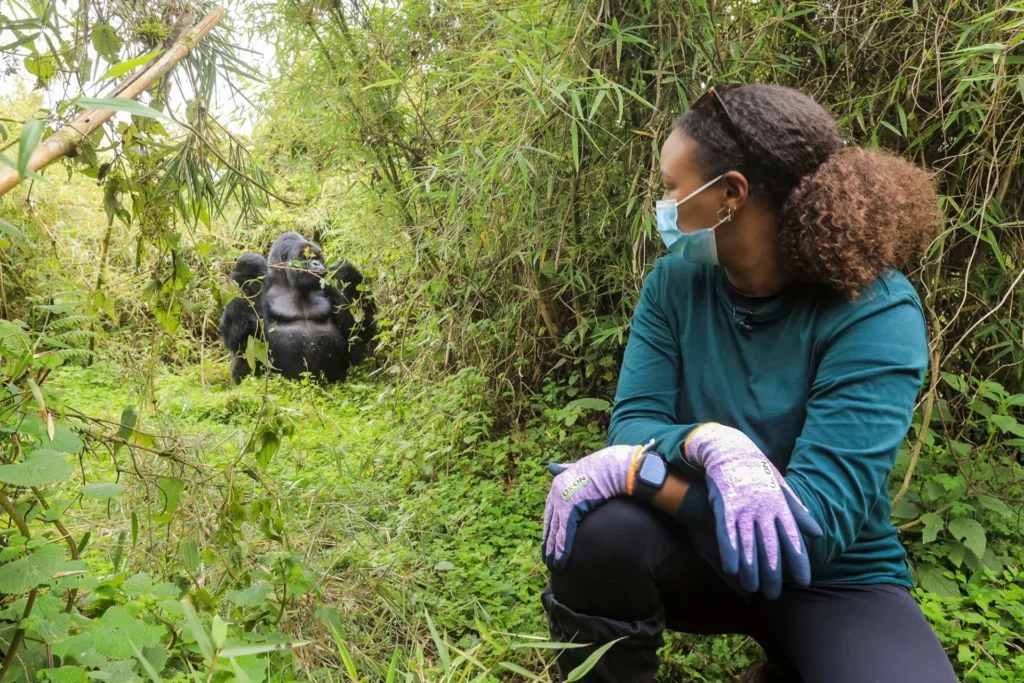
1 Day Bwindi Gorilla Trek
A one-day mountain gorilla trek in Bwindi for travellers who are already in southwestern Uganda.
View SafariHandpicked Kenya Safari Tours for Every Traveler
Safari extensions in Rwanda allow travellers to discover the country's landscapes, wildlife and cultural attractions beyond its internationally famous mountain gorillas.
A safari extension is an additional destination or experience incorporated before or after the main wildlife activity.
For Rwanda, the principal activity is often mountain gorilla trekking, but extensions can also complement a longer holiday that already includes several national parks.
Unlike a complete safari package, an extension focuses on adding a particular environment, interest or travel experience.
Examples include spending additional time beside Lake Kivu, exploring Kigali's historical attractions, visiting Akagera for traditional game viewing or travelling to Uganda for further primate encounters.
Gorilla trekking is extraordinary, but it represents only one aspect of Rwanda's natural heritage.
Additional destinations allow visitors to understand the country's ecological diversity and cultural history.
They also create a more balanced holiday by combining physically demanding activities with opportunities for relaxation.
A Rwanda gorilla safari extension can be particularly valuable for international visitors travelling long distances who want to make fuller use of their time in East Africa.
Showing 1–12 of 216 safaris
A one-day mountain gorilla trek in Bwindi for travellers who are already in southwestern Uganda.
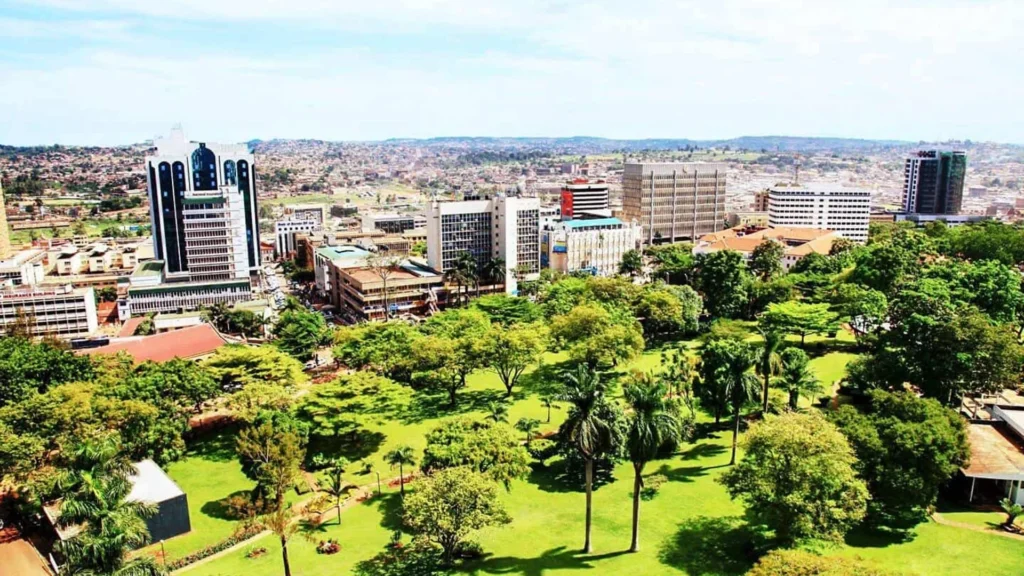
View SafariA single day in Kampala for the kasubi and palace area, a cultural show, and a market or…
View SafariA full day in Kigali covering the Genocide Memorial, a neighborhood market, and one or two museums.
View SafariA single day on Mount Bisoke, with the crater lake as the turnaround point.
View SafariThe 1 Day Rwanda Family Safari offers an exciting and educational wildlife adventure for families visiting Rwanda.
View SafariThe 3 Day Rwanda Gorilla and Akagera Safari combines mountain gorilla trekking in Volcanoes National Park with wildlife…
View SafariThe 4 Day Rwanda Gorilla and Nyungwe Safari combines mountain gorilla trekking in Volcanoes National Park with chimpanzee…
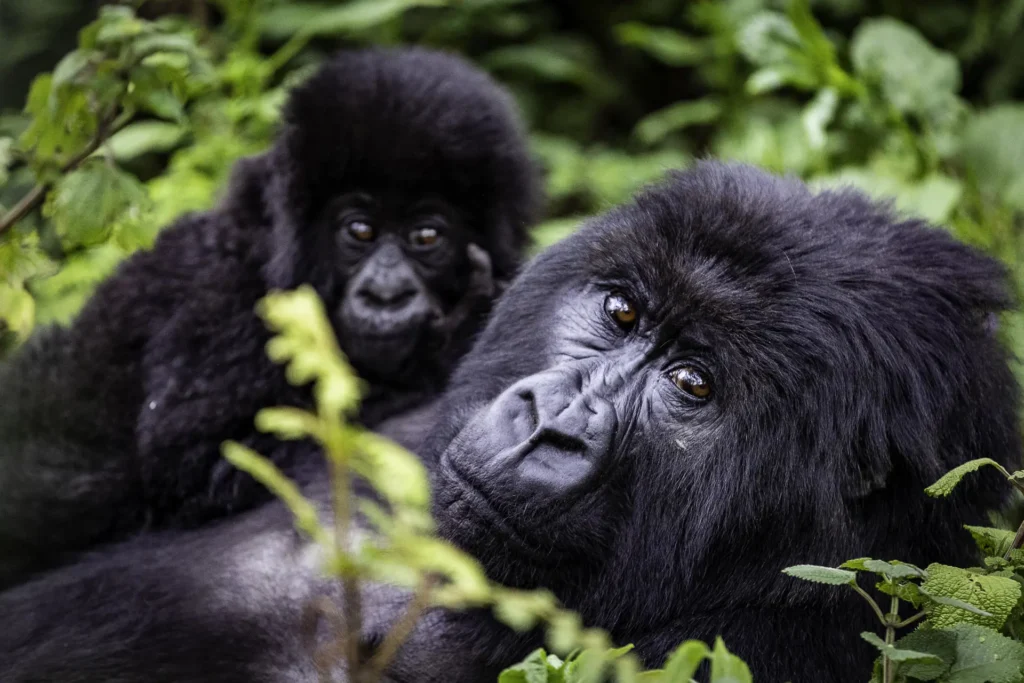
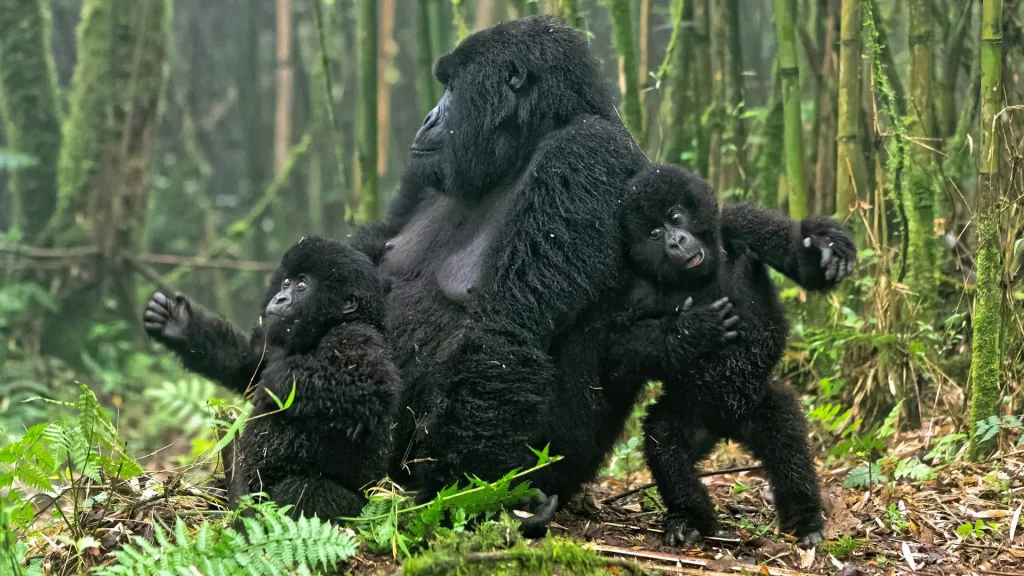
View SafariThe 1 Day Rwanda Gorilla Trekking Safari offers an unforgettable opportunity to encounter endangered mountain gorillas in their…
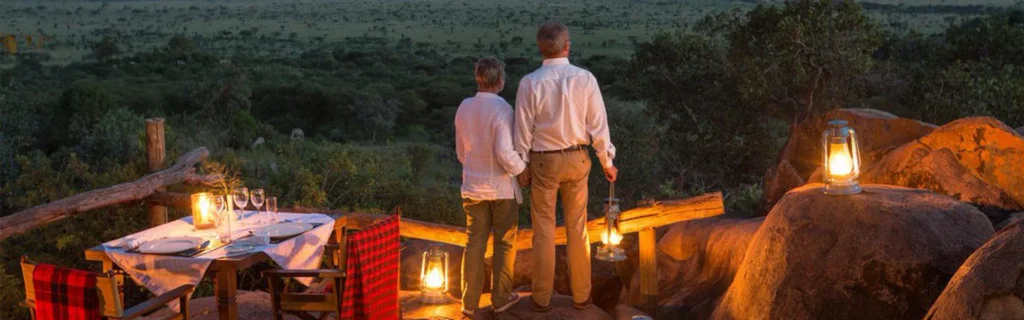
View SafariThe 1 Day Rwanda Honeymoon Safari offers couples a romantic escape to the beautiful shores of Lake Kivu,…
View SafariThe 1 Day Rwanda Luxury Safari offers an exclusive wildlife experience in Akagera National Park, Rwanda's premier Big…
View SafariThe 1 Day Rwanda Primates Safari offers an exciting opportunity to encounter Rwanda's endangered golden monkeys in the…
View SafariThe 1 Day Rwanda Wildlife Safari offers an exciting opportunity to explore Akagera National Park, Rwanda's premier savannah…
View SafariLake Kivu is one of the most attractive destinations for travellers seeking a relaxing extension after gorilla trekking.
Situated along Rwanda's western border with the Democratic Republic of Congo, the lake is surrounded by hills, villages, agricultural landscapes and lakeside towns.
Its atmosphere differs considerably from the mountain forests of Volcanoes National Park.
The lake provides opportunities to enjoy scenery, local hospitality and a slower travel pace.
Visitors can spend time beside the water, explore selected shoreline communities, take guided boat excursions or participate in suitable outdoor activities.
For travellers who have completed a demanding trek, the opportunity to rest beside the lake can be especially appealing.
Rubavu, historically known as Gisenyi, is located near the northern end of Lake Kivu.
It is a popular destination for visitors travelling from the Musanze and Volcanoes National Park region.
The town has lakeside accommodation, restaurants, waterfront areas and opportunities for selected water activities.
Rubavu is also associated with the northern section of the Congo Nile Trail, making it relevant to active travellers interested in cycling and hiking.
Karongi, formerly Kibuye, is known for its hills, islands and attractive lake scenery.
The area is particularly appealing to travellers interested in photography, quiet accommodation and boat excursions.
Its landscape provides a different perspective on Rwanda's geography, with cultivated hills descending towards the lake.
Rusizi, historically associated with Cyangugu, lies towards the southern end of Lake Kivu.
Its position makes it relevant to visitors travelling between the lake region and Nyungwe National Park.
The town provides a useful base for exploring the surrounding landscape and understanding the connection between the lake and Rwanda's southwestern highlands.
A Lake Kivu boat excursion allows visitors to appreciate the shoreline from the water.
Depending on the departure location and operator, excursions may include scenic views, selected islands and observations of lakeside communities.
Guided kayaking is available through selected operators.
The activity allows visitors to explore at a slower pace and enjoy the surrounding hills.
Safety equipment, weather conditions and operator experience should be considered before participating.
Lake Kivu provides opportunities to photograph hills, fishing boats, islands and changing light conditions.
Early mornings and evenings can be especially attractive for landscape photography.
The Lake Kivu region is associated with coffee cultivation.
Guided visits to coffee-related enterprises may introduce travellers to growing, processing and preparation methods.
These experiences provide insight into local livelihoods and the relationship between agriculture and tourism.
The Congo Nile Trail is one of Rwanda's most important long-distance hiking and cycling routes.
It follows the Lake Kivu region through a mixture of hills, settlements, agricultural landscapes and scenic viewpoints.
Rwanda's official tourism information describes the broader route as approximately 227 kilometres long, running between the Rubavu and Rusizi areas.
Walking sections of the trail provides opportunities to experience rural landscapes and local communities.
The terrain includes hills and changes in elevation, so fitness and realistic walking distances are important.
Visitors do not need to complete the entire route to enjoy the experience.
Cycling offers a more active way to explore the lakeside region.
The route can be demanding because of hills, road surfaces and weather conditions.
Suitable bicycles, local route knowledge and luggage arrangements can improve comfort and safety.
The trail passes through areas where agriculture, fishing and village life are important.
Responsible visits provide opportunities to learn about local livelihoods while respecting community privacy and customs.
An Akagera safari extension is ideal for travellers who want traditional African wildlife viewing alongside mountain gorilla trekking.
Akagera protects grasslands, woodland, wetlands and lakes in eastern Rwanda.
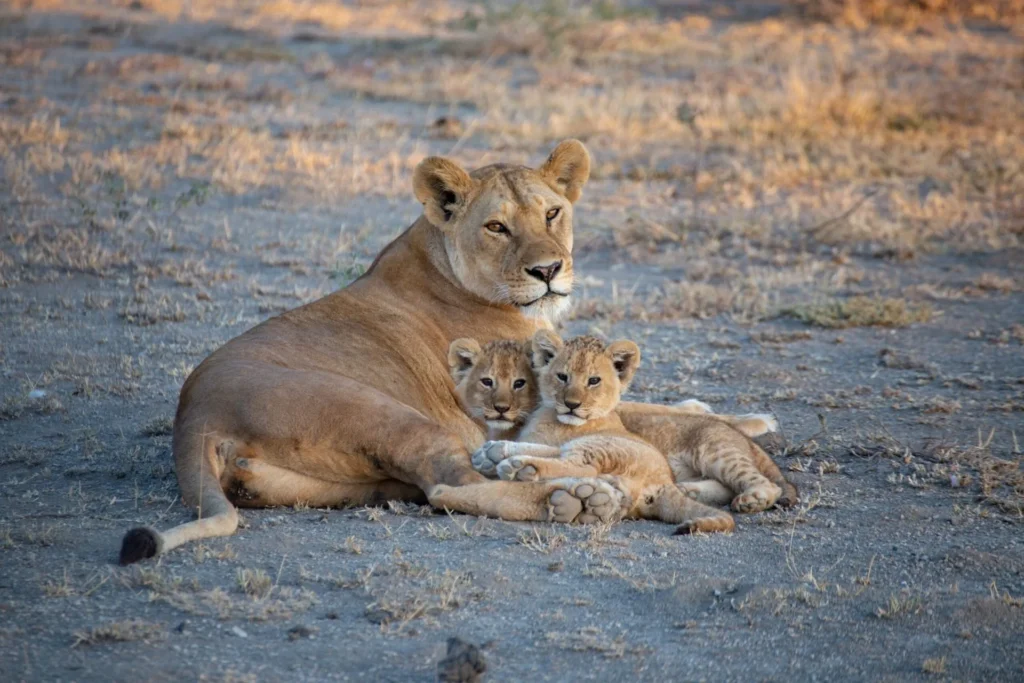
Its wildlife includes elephants, buffaloes, giraffes, zebras, antelopes, lions, leopards and rhinoceroses.
Volcanoes National Park is dominated by mountainous forest environments.
Akagera, by contrast, offers more open landscapes where animals are often observed from vehicles.
This difference creates a complementary wildlife experience.
Travellers can appreciate both the intimate forest environment of mountain gorillas and the broader ecological relationships of a savannah ecosystem.
Game drives provide opportunities to explore different habitats.
The park's northern plains, southern wetlands and woodland areas support different wildlife communities.
Sightings depend on animal movements, weather and the time spent exploring.
A Lake Ihema boat safari adds an aquatic perspective to the wildlife experience.
Visitors may observe hippos, crocodiles and waterbirds in suitable lake habitats.
Akagera's restoration of lions and rhinoceroses makes it particularly interesting to travellers concerned with wildlife conservation.
African Parks and the Rwanda Development Board have worked together on the park's long-term management and ecological recovery.
A Nyungwe Forest safari extension is especially suitable for travellers interested in primates, forest ecology and guided nature activities.
Nyungwe protects a biologically important montane rainforest in southwestern Rwanda.
Its wildlife includes chimpanzees, colobus monkeys and several other primate species.
Nyungwe chimpanzee trekking provides an opportunity to observe another great ape species in its natural habitat.
Chimpanzees are highly mobile and may move through the forest canopy.
Tracking can involve early departures, steep terrain and changing weather conditions.
Nyungwe is also known for black-and-white colobus monkeys.
Their social behaviour and movement through forest vegetation make them interesting subjects for observation and photography.
The Nyungwe canopy walkway offers an elevated perspective on the rainforest.
The suspended structure allows visitors to appreciate forest vegetation and surrounding landscapes from above part of the forest floor.
Nyungwe has an extensive network of hiking trails.
Visitors can explore forest scenery, waterfalls, bird habitats and different vegetation zones under authorised guidance.
A Kigali city extension offers an opportunity to explore Rwanda's history, culture and contemporary urban life.
Although Kigali is often treated primarily as an arrival or departure point, it deserves attention as a destination in its own right.
The Kigali Genocide Memorial provides important historical information about the 1994 Genocide against the Tutsi.
The memorial is a place of remembrance and education.
Visitors should approach the experience respectfully and allow sufficient time for reflection.
Kigali has galleries, creative spaces and cultural initiatives that introduce visitors to contemporary Rwandan artistic expression.
These attractions provide a different perspective from the country's wildlife destinations.
Guided market visits can introduce travellers to local products, crafts and everyday economic life.
Visitors should ask permission before photographing individuals.
Kigali's dining scene provides opportunities to explore Rwandan cuisine and other regional influences.
A culinary experience can complement historical and cultural sightseeing.
The Twin Lakes of Burera and Ruhondo lie near the Musanze region in northern Rwanda.
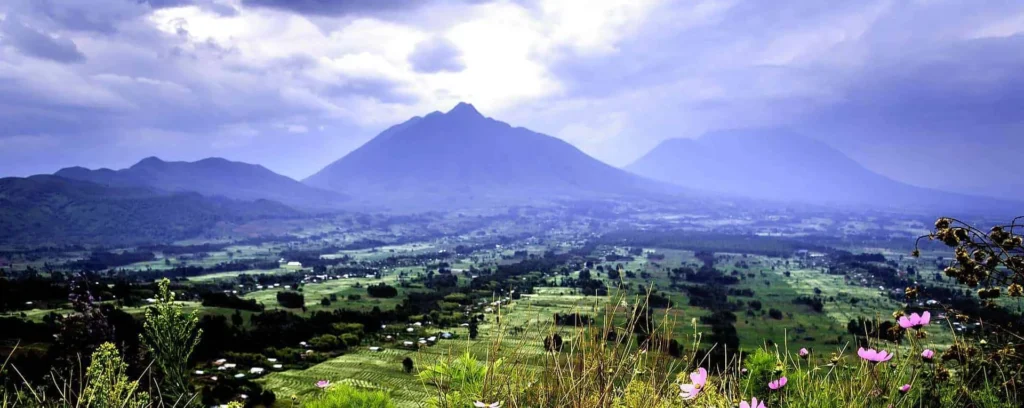
They are surrounded by hills and offer scenic views towards the Virunga Mountains.
The lakes provide an opportunity to appreciate Rwanda's landscape outside the main national park boundaries.
Visitors interested in photography, rural scenery and cultural encounters may find the area particularly rewarding.
Elevated viewpoints reveal the relationship between the lakes, surrounding hills and volcanic landscape.
Weather and cloud conditions influence visibility.
Guided visits may introduce travellers to local agriculture, fishing and everyday life.
Responsible tourism should involve local participation and respect for community privacy.
Gishwati-Mukura National Park is an important destination for travellers interested in forest restoration and conservation.
The protected area includes forest landscapes that have experienced historical fragmentation and degradation.
Conservation efforts focus on habitat recovery, biodiversity protection and improved ecological connectivity.
The park offers a different perspective on conservation from the more established tourism environments of Volcanoes and Akagera.
Visitors interested in environmental restoration may appreciate learning about the challenges of protecting smaller forest ecosystems.
Tourism infrastructure and activity availability should be checked in advance.
Gishwati-Mukura should not be approached with the expectation that it offers the same range of established activities as Rwanda's larger national parks.
Travellers who have completed gorilla trekking in Rwanda may wish to spend additional time exploring the Virunga Mountains.
Mount Bisoke hiking is associated with volcanic scenery and a crater lake.
The route is physically demanding and can involve muddy slopes.
Mount Karisimbi trekking is suitable for experienced hikers seeking a more demanding mountain experience.
Altitude, weather and fitness are important considerations.
The Dian Fossey hike provides insight into the history of mountain gorilla research.
It is particularly meaningful for travellers interested in conservation and primatology.
Buhanga Eco-Park combines natural scenery with cultural heritage.
The forest has historical associations with Rwandan royal traditions and provides a different type of guided nature experience.
Rwanda's cultural heritage extends well beyond the capital.
Nyanza is associated with Rwanda's royal history.
Visitors interested in the country's precolonial political and cultural traditions may explore relevant museums and heritage attractions.
Huye, historically known as Butare, is an important centre of education and cultural heritage.
It is relevant to visitors interested in museums, history and understanding Rwanda's cultural development.
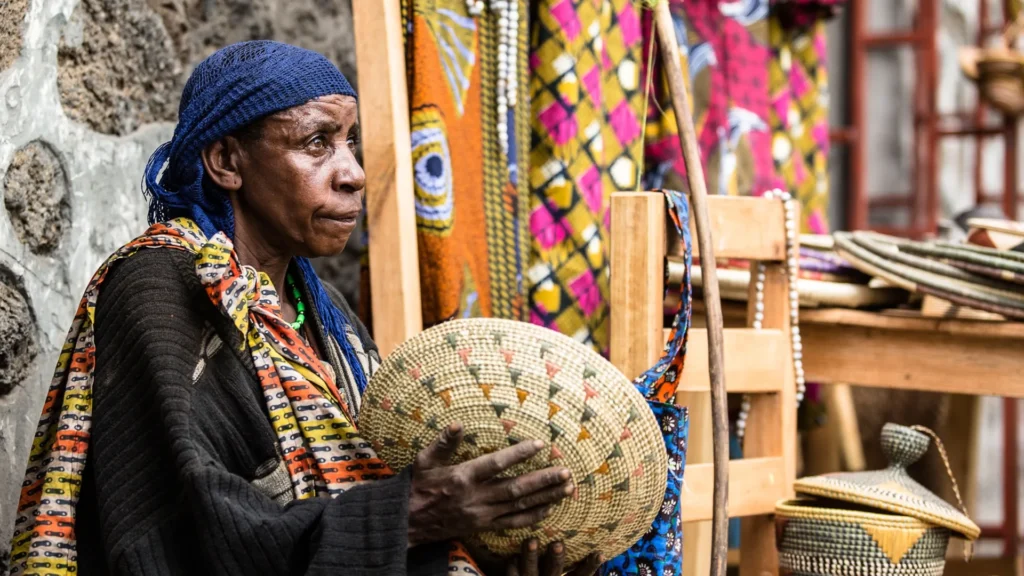
Community-based experiences may include traditional crafts, agricultural visits and cultural demonstrations.
The quality of an experience depends on genuine local participation rather than staged performances alone.
A Rwanda Uganda safari extension is one of the most relevant regional combinations for visitors interested in mountain gorillas and other primates.
Uganda has two principal mountain gorilla destinations: Bwindi Impenetrable National Park and Mgahinga Gorilla National Park.
Bwindi gorilla trekking takes place in a biologically rich montane forest.
The park's trekking sectors include Buhoma, Ruhija, Rushaga and Nkuringo.
Different sectors have different access routes, accommodation locations and trekking characteristics.
Mgahinga gorilla trekking takes place within Uganda's portion of the Virunga Mountains.
Its volcanic landscape provides a geographical connection with Rwanda's Volcanoes National Park.
Both countries offer regulated encounters with mountain gorillas.
Differences include permit pricing, travel routes, accommodation options and the characteristics of the trekking environments. Our Rwanda versus Uganda gorilla trekking comparison sets these out in detail.
Rwanda is often convenient for visitors arriving through Kigali, while Uganda offers opportunities to combine gorilla trekking with a wider selection of wildlife parks.
Uganda also offers a specialised gorilla habituation experience in Bwindi, subject to the applicable permits and park arrangements.
This activity differs from standard gorilla trekking and is particularly relevant to visitors interested in extended primate observation.
Uganda provides several opportunities to broaden a Rwanda holiday.
Queen Elizabeth National Park offers savannah wildlife viewing, the Kazinga Channel and the Ishasha region.
Game drives may provide opportunities to observe elephants, buffaloes, antelopes, lions and other wildlife.
Kibale chimpanzee trekking is one of Uganda's best-known primate experiences.
The park is particularly relevant to travellers interested in comparing different chimpanzee habitats.
Lake Bunyonyi offers scenic relaxation in southwestern Uganda.
Its islands and surrounding hills provide a peaceful contrast to forest trekking.
Murchison Falls National Park combines savannah wildlife, the Nile River and dramatic waterfall scenery.
It is a more substantial extension requiring careful consideration of travel distances.
A Kenya safari extension from Rwanda is attractive to travellers seeking extensive savannah landscapes and classic East African wildlife viewing.
The Masai Mara is internationally known for large mammal populations, predators and seasonal wildebeest movements.
It offers a different wildlife environment from Rwanda's mountain forests.
Amboseli National Park is recognised for elephant viewing and landscapes associated with Mount Kilimanjaro.
Lake Nakuru National Park provides opportunities for birdwatching and observing several large mammal species, including rhinoceroses.
Regional flight connections and onward road transfers should be checked according to the actual travel dates.
Travellers should not assume that every park is directly connected by scheduled flights.
A Tanzania safari extension can combine Rwanda's mountain gorillas with some of Africa's most celebrated savannah destinations.
The Serengeti is known for extensive grasslands, predators and seasonal wildlife movements.
The location of migratory herds changes throughout the year.
The Ngorongoro Crater provides opportunities to observe wildlife within a distinctive volcanic landscape.
Tarangire National Park is known for elephants, baobab landscapes and seasonal wildlife concentrations.
A Zanzibar beach extension provides a coastal contrast to Rwanda's inland wildlife destinations.
Visitors can explore beaches, historical attractions and marine-related activities.
The most suitable extension depends on several practical factors.
Shorter additions should focus on destinations that can be reached comfortably without excessive travel.
More distant national parks and international extensions require additional time for transport and activities.
Travellers primarily interested in large mammals may prefer Akagera, Kenya or Tanzania.
Those focused on primates may consider Nyungwe or Uganda.
Mountain hiking and forest tracking require different levels of exertion from game drives and lakeside relaxation.
Costs depend on accommodation, permits, transport, park fees and the number of travellers sharing services.
Rainfall affects forest trails, while seasonal conditions influence savannah wildlife viewing and outdoor recreation.
One common mistake is adding too many destinations without accounting for travel time.
Another is assuming that all wildlife experiences are interchangeable.
A third is booking accommodation before checking the availability of essential permits or guided activities.
Cross-border travellers may also underestimate immigration requirements and transport arrangements.
A successful extension should add meaningful experiences without making the holiday unnecessarily exhausting.
Lake Kivu is attractive for relaxation, while Akagera is suitable for savannah wildlife and Nyungwe for rainforest primates.
Yes. Akagera supports the Big Five, although sightings are not guaranteed.
Yes. Lake Kivu offers scenic landscapes, lakeside accommodation, boat excursions and selected outdoor activities.
Yes. Rwanda and Uganda can be combined, subject to immigration requirements and practical transport arrangements.
Yes. Nyungwe is particularly rewarding for chimpanzee tracking, forest hiking, birdwatching and rainforest ecology.
Yes. Kenya provides opportunities for classic savannah wildlife viewing, particularly in destinations such as the Masai Mara.
Yes. Tanzania's Serengeti, Ngorongoro and other destinations complement Rwanda's primate experiences.
Costs vary according to destination, transport, accommodation and activities. International extensions may involve additional flights and park fees.
Advance booking is recommended for activities with limited permits, popular accommodation and time-sensitive transport connections.
Yes. Kigali, Nyanza, Huye and community-based tourism experiences provide opportunities to explore Rwanda's history and culture.
Safari Extensions in Rwanda offer an opportunity to discover more of the country's natural and cultural diversity.
Whether you prefer the peaceful shores of Lake Kivu, the wildlife-rich plains of Akagera, the rainforest of Nyungwe, the cultural attractions of Kigali or additional East Africa safari destinations, the right extension can enrich your journey considerably.
Gorilla Rwanda Safaris assists travellers with destination selection, practical logistics, accommodation, transport and appropriate activity arrangements.
Contact our team to discuss which additional experiences would best complement your Rwanda holiday.