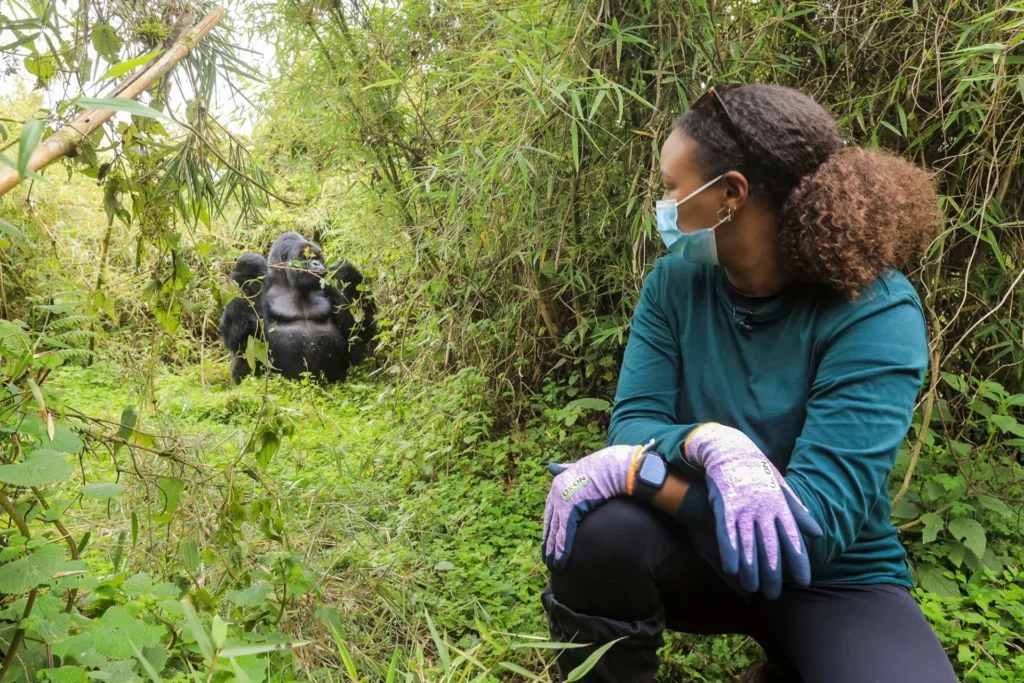
1 Day Bwindi Gorilla Trek
A one-day mountain gorilla trek in Bwindi for travellers who are already in southwestern Uganda.
View SafariHandpicked Kenya Safari Tours for Every Traveler
Nature holidays in Rwanda offer an extraordinary opportunity to explore one of Africa's most varied landscapes, where mist-covered volcanic mountains rise above bamboo forests, ancient rainforests shelter rare primates, and peaceful lakes reflect the green hills.
Rwanda occupies a distinctive position in the African Great Lakes region. Its western landscapes form part of the Albertine Rift, an area recognised for high biodiversity and numerous species with restricted geographical ranges.
Elevation is one of the most important factors shaping the country's natural environment. The eastern lowlands contain relatively warm savannah and wetland ecosystems, while western and northern highlands experience cooler temperatures and support montane vegetation.
These changes in altitude create contrasting habitats within manageable travelling distances. They also explain why wildlife experiences differ substantially between Rwanda's national parks.
A nature tour in Rwanda can therefore introduce visitors to several ecological systems rather than concentrating exclusively on large mammals.
Rwanda has four national parks: Volcanoes, Akagera, Nyungwe and Gishwati-Mukura.
Each protects a different combination of habitats and wildlife. Volcanoes is internationally recognised for mountain gorillas and volcanic scenery. Akagera conserves savannah, lakes and wetlands. Nyungwe protects an extensive montane rainforest, while Gishwati-Mukura is particularly important for forest conservation and restoration.
Understanding these differences helps visitors select destinations according to their interests in wildlife, walking, scenery or environmental education.
Showing 1–12 of 222 safaris
A one-day mountain gorilla trek in Bwindi for travellers who are already in southwestern Uganda.
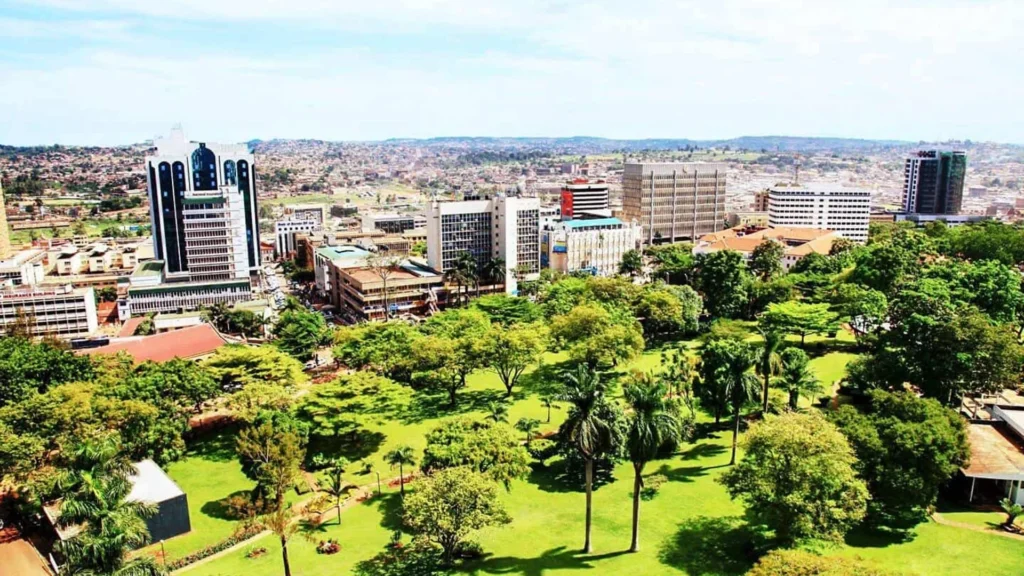
View SafariA single day in Kampala for the kasubi and palace area, a cultural show, and a market or…
View SafariA full day in Kigali covering the Genocide Memorial, a neighborhood market, and one or two museums.
View SafariA single day on Mount Bisoke, with the crater lake as the turnaround point.
View SafariThe 1 Day Rwanda Family Safari offers an exciting and educational wildlife adventure for families visiting Rwanda.
View SafariThe 3 Day Rwanda Gorilla and Akagera Safari combines mountain gorilla trekking in Volcanoes National Park with wildlife…
View SafariThe 4 Day Rwanda Gorilla and Nyungwe Safari combines mountain gorilla trekking in Volcanoes National Park with chimpanzee…
View SafariThe 1 Day Rwanda Gorilla Trekking Safari offers an unforgettable opportunity to encounter endangered mountain gorillas in their…
View SafariThe 1 Day Rwanda Honeymoon Safari offers couples a romantic escape to the beautiful shores of Lake Kivu,…
View SafariThe 1 Day Rwanda Luxury Safari offers an exclusive wildlife experience in Akagera National Park, Rwanda's premier Big…
View SafariThe 1 Day Rwanda Primates Safari offers an exciting opportunity to encounter Rwanda's endangered golden monkeys in the…
View SafariThe 1 Day Rwanda Wildlife Safari offers an exciting opportunity to explore Akagera National Park, Rwanda's premier savannah…
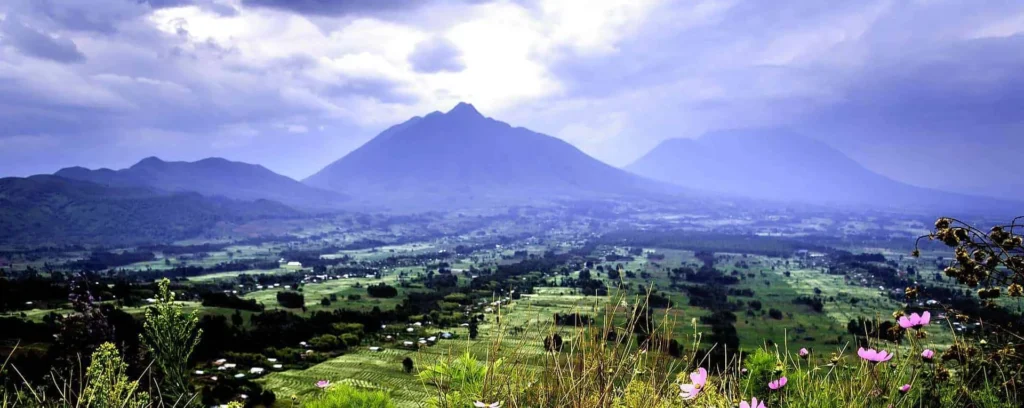
View SafariVolcanoes National Park protects part of the Virunga mountain range in northwestern Rwanda. Its landscape includes dramatic volcanic peaks, bamboo stands, montane forest and high-altitude vegetation.
The park is famous for gorillas, but the wider environment deserves equal attention. Mist frequently moves across the slopes, vegetation changes with altitude, and mountain weather creates atmospheric conditions unlike those found in Rwanda's eastern savannah.
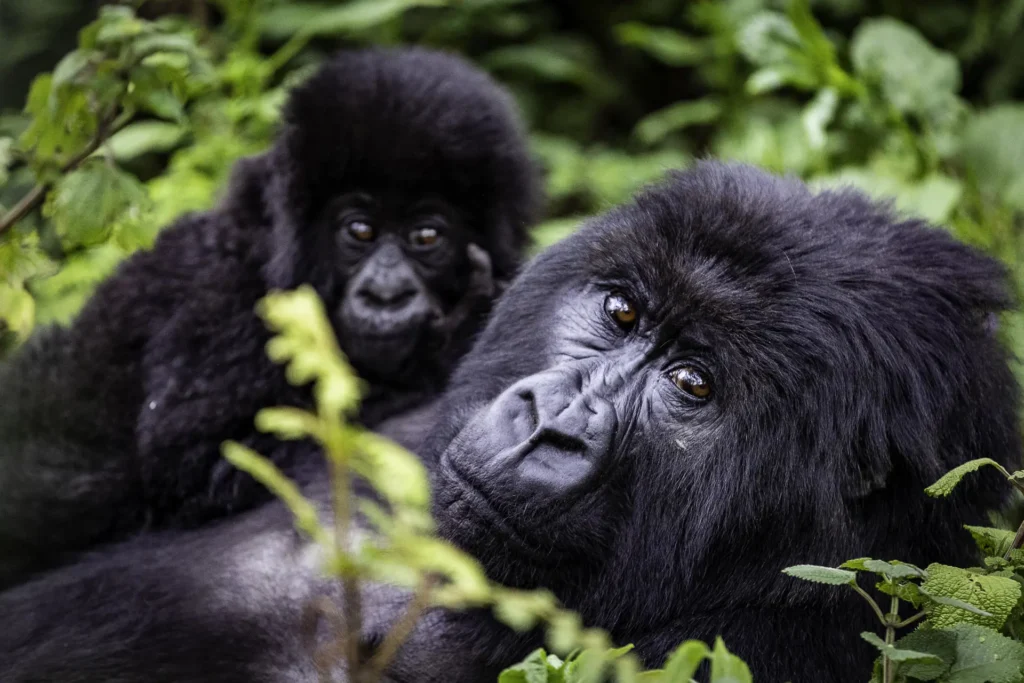
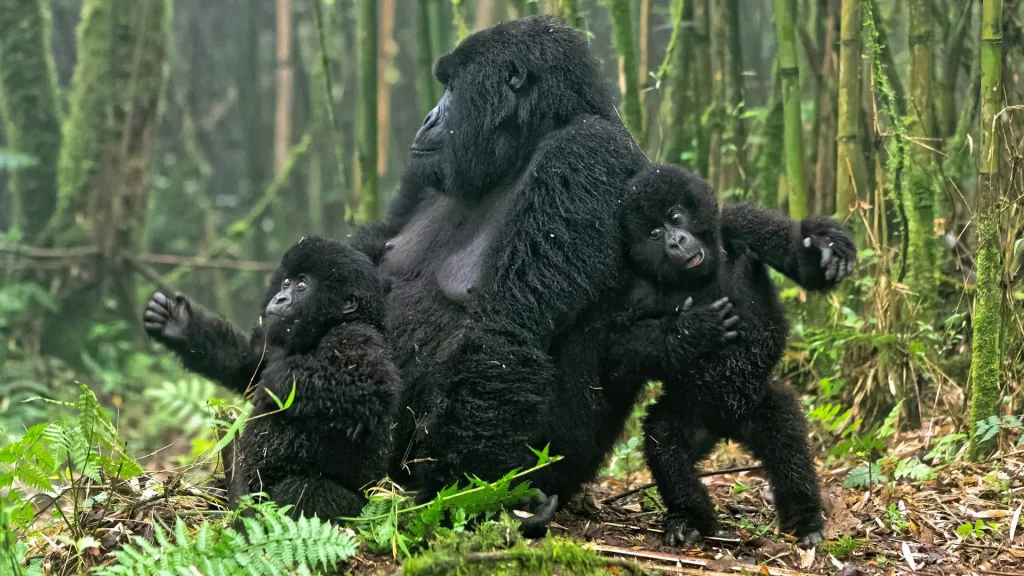
Gorilla trekking in Rwanda is an exceptional opportunity to observe endangered mountain gorillas in their natural environment.
The experience involves walking through mountain vegetation with professional guides and trackers. Along the way, visitors may learn about forest ecology, plant communities and the importance of habitat protection.
Once a habituated gorilla family is located, the standard observation period is up to one hour. The animals remain wild, and their movements determine the duration and difficulty of the walk.
The experience is most rewarding when approached as an encounter with an entire ecosystem rather than simply an opportunity to photograph gorillas.
Golden monkey tracking introduces visitors to another important Virunga primate.
These distinctive monkeys are associated with bamboo-rich habitats and are known for their energetic movements and social behaviour.
Observing golden monkeys helps illustrate the ecological diversity of Volcanoes National Park. Their feeding patterns and habitat preferences differ from those of mountain gorillas, even though both species inhabit the same protected landscape.
The Virunga Mountains influence local climate, water systems and vegetation patterns.
Their forests provide habitat for specialised species and contribute to environmental processes extending beyond park boundaries.
The protection of these mountain landscapes is therefore important not only for tourism but also for biodiversity, watershed conservation and surrounding communities.
Volcano hiking in Rwanda provides a more physically demanding way to explore the country's natural landscapes.
Several Virunga peaks offer guided hiking opportunities, although access, routes and requirements vary.
Mount Bisoke is known for its summit crater lake and dramatic mountain environment.
The hike involves substantial elevation gain, changing vegetation and potentially muddy trails. Weather can shift quickly, and cloud cover may affect summit views.
The experience is particularly attractive to travellers interested in geology, mountain ecology and physically challenging outdoor activities.
Mount Karisimbi, Rwanda's highest mountain, rises to approximately 4,507 metres.
Its elevation creates colder conditions and specialised high-altitude habitats. The climb is demanding and generally requires more than a single day.
Visitors should consider altitude, fitness, equipment and weather carefully before undertaking the ascent.
Mountain hiking is not solely about reaching a summit.
The transition between vegetation zones, views of neighbouring volcanoes and opportunity to appreciate the landscape are central parts of the experience.
Travellers should select hikes appropriate to their abilities rather than treating the most demanding route as automatically the best.
Nyungwe National Park is among Rwanda's most important natural areas and protects a large expanse of montane rainforest in the southwest.
The forest contains a rich variety of plants, birds, primates and other wildlife. Its steep valleys, waterfalls, dense canopy and misty ridges create a distinctive environment for nature exploration.
For travellers interested in Rwanda rainforest holidays, Nyungwe is particularly rewarding because it offers several ways to experience the forest beyond a single activity.
Chimpanzee tracking in Nyungwe introduces visitors to the behaviour of wild chimpanzee communities.
Chimpanzees are highly mobile and may move through the forest canopy or travel across substantial distances.
Tracking therefore requires patience and flexibility. The animals may be heard before they are seen, and dense vegetation can make observation challenging.
A successful experience depends on understanding that the forest is the animals' natural home, not a controlled wildlife enclosure.
Nyungwe nature walks allow visitors to explore forest vegetation, streams, valleys and specialised habitats.
Guides may explain the ecological roles of trees, plants, insects and other organisms that are easily overlooked during more wildlife-focused activities.
Walking slowly through the forest can reveal patterns in vegetation, differences between forest layers and the importance of fallen wood and leaf litter.
Nyungwe offers guided trails leading towards scenic waterfalls and other natural features.
The Isumo Waterfall Trail is among the recognised forest walking experiences.
Waterfall walks can be physically demanding because of uneven terrain and changes in elevation. Rainfall may also affect trail conditions.
The Nyungwe canopy walkway provides an elevated view of the rainforest.
The experience offers a different perspective on the structure of the forest, allowing visitors to appreciate the height of the canopy and the landscape beyond.
The walkway is reached as part of a guided walking activity, so visitors should consider both the approach trail and the suspended bridge itself.
Birdwatching in Rwanda is one of the country's most rewarding nature activities.
Rwanda's forests, lakes, wetlands, grasslands and highland habitats support a wide range of bird species.
The country is particularly attractive to visitors interested in birds associated with the Albertine Rift, a region noted for specialised and geographically restricted wildlife.
Nyungwe is an important destination for forest birdwatchers.
Dense vegetation means that birds are often identified first by sound. An experienced guide can help visitors recognise calls, feeding patterns and preferred habitats.
Birdwatching in a rainforest requires patience and a willingness to spend time observing small details.
Akagera offers a different birding environment, with open grasslands, woodland, lakes and wetlands.
Visitors may observe raptors, kingfishers, herons, waterbirds and species associated with savannah vegetation.
The combination of habitats makes Akagera especially useful for travellers interested in contrasting bird communities.
The Volcanoes region supports highland and forest birds.
Birding excursions can complement gorilla trekking by introducing visitors to the wider mountain ecosystem.
Akagera National Park is Rwanda's principal savannah conservation area.
Its natural environment includes open grassland, woodland, lakes, swamps and rolling hills.
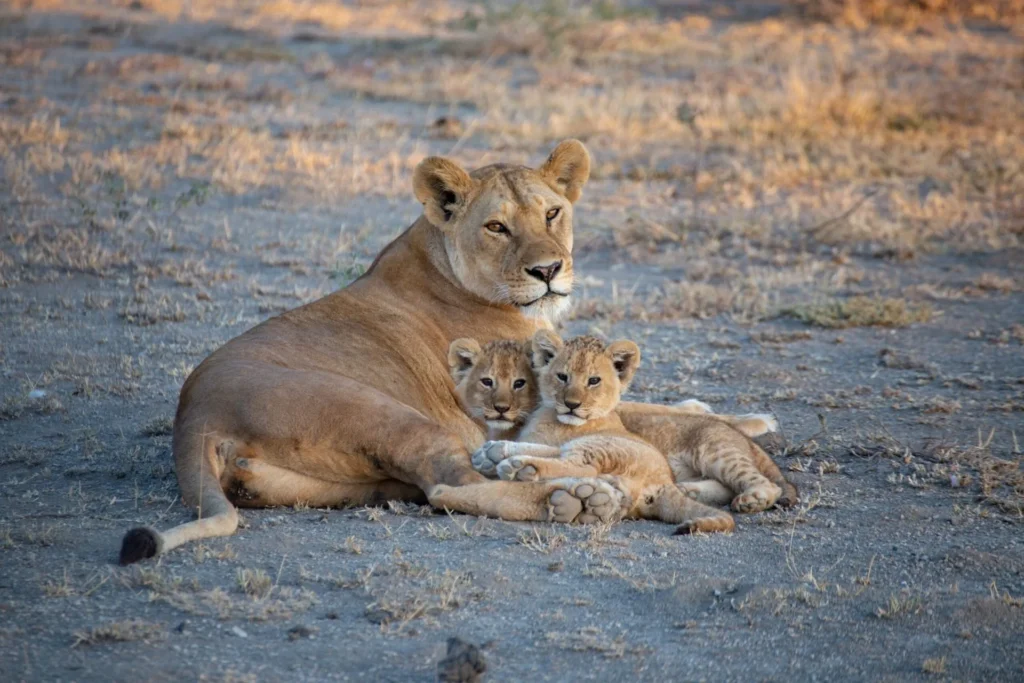
The park is home to lions, leopards, elephants, buffaloes, rhinoceroses, giraffes, zebras, antelope and numerous other species.
However, a nature holiday in Akagera offers more than searching for large mammals.
Savannah ecosystems are shaped by interactions between vegetation, herbivores, predators, rainfall and other environmental factors.
Grazing animals influence grassland structure, while browsers feed on trees and shrubs.
Predators affect prey behaviour and contribute to the ecological relationships that make wildlife communities function.
An experienced guide can explain these connections during game drives.
The park's lakes and wetlands support hippos, crocodiles, waterbirds and other aquatic wildlife.
These environments are important for biodiversity and provide a striking contrast to surrounding savannah landscapes.
A guided Lake Ihema boat safari allows visitors to appreciate wetland habitats from the water.
The activity may provide opportunities to observe aquatic wildlife and birds, subject to natural conditions.
Visitors should use authorised services and follow all safety instructions.
Akagera has undergone important wildlife restoration initiatives, including the reintroduction of lions and rhinoceroses.
These efforts demonstrate how protected-area management can contribute to the recovery of wildlife populations and ecological functions.
The park is therefore an important destination for visitors interested in conservation as well as animal sightings.
Gishwati-Mukura National Park protects two forest areas in western Rwanda.
The park has particular significance because of efforts to restore and conserve forest ecosystems affected by historical habitat fragmentation.
Its forests support primates, birds and other wildlife associated with montane habitats.
Forest fragmentation can isolate wildlife populations, reduce habitat availability and affect ecological processes.
Restoration initiatives aim to improve habitat quality and support long-term biodiversity conservation.
Visitors interested in Rwanda eco holidays may find this conservation story especially meaningful.
Activities associated with Gishwati-Mukura may include guided nature walks, birdwatching and community-based experiences, depending on current access arrangements.
The park has a less established tourism infrastructure than Volcanoes or Nyungwe.
Travellers should therefore verify available activities before making arrangements.
Lake Kivu is one of Rwanda's most beautiful natural attractions.
The lake extends along western Rwanda and is surrounded by green hills, bays, islands and lakeside communities.
It provides opportunities for relaxation and gentle outdoor activities after more demanding forest or mountain experiences.
Rubavu, also known as Gisenyi, offers access to the northern Lake Kivu shoreline.
Its location makes it particularly convenient for travellers combining lakeside scenery with Volcanoes National Park.
Karongi is known for attractive bays, islands and hillside views.
Boat excursions and scenic exploration are popular activities.
The area is particularly appealing to landscape photographers and travellers seeking a peaceful environment.
The Rusizi area is relevant to travellers exploring southwestern Rwanda and Nyungwe.
Its location allows visitors to experience a different section of the lake.
Guided Lake Kivu kayaking and boat activities provide opportunities to appreciate the shoreline from the water.
Weather conditions, operator standards and safety equipment should be considered before participating.
The Congo Nile Trail is one of Rwanda's best-known outdoor routes.
It follows the Lake Kivu region through rural communities, agricultural landscapes and scenic hills.
Visitors can explore sections on foot or by bicycle.
Walking allows travellers to experience the landscape slowly and observe rural environments beyond the main national parks.
The terrain can be hilly, and route planning should account for accommodation and transport.
Rwanda cycling holidays can incorporate selected sections of the trail.
Mountain biking offers an active way to explore the region, but the terrain requires appropriate fitness and equipment.
The trail passes through inhabited landscapes where agriculture and daily life form part of the environment.
Respectful interaction with communities can enrich the experience.
Lake Burera and Lake Ruhondo, commonly known as the Twin Lakes, lie near the Virunga Mountains.
Their scenic setting includes hills, agricultural land and dramatic views towards the volcanic peaks.
The lakes are particularly attractive for photography, quiet exploration and selected guided local activities.
They offer a gentler nature experience than mountain trekking and can complement time spent around Musanze.
Rwanda nature photography offers exceptional variety.
Mountain forests provide atmospheric mist, dense vegetation and dramatic light. Savannah landscapes offer open horizons and wildlife subjects, while Lake Kivu provides reflections, islands and changing colours.
Rainforest photography benefits from attention to texture, layers and filtered light.
Moisture protection is important because rain and humidity can affect equipment.
Wildlife photography requires patience and respect for animals.
Flash is prohibited during gorilla encounters, and all photographers must follow park rules.
The Virunga Mountains, Twin Lakes, Lake Kivu and rolling agricultural hills provide opportunities for wide landscape compositions.
Weather and cloud cover can change quickly, making flexibility valuable.
Rwanda can be explored throughout the year, but rainfall patterns affect outdoor conditions.
The relatively drier periods from June to September and December to February are popular for trekking and hiking.
The wetter months bring lush vegetation and atmospheric landscapes, although trails may become muddy.
Birdwatching conditions vary according to habitat, breeding activity and migratory patterns.
Travellers should select travel dates according to their preferred activities rather than assuming that one season is ideal for every nature experience.
A successful nature holiday balances outdoor activity with rest and realistic travel times.
Visitors interested in several national parks should avoid unnecessary backtracking.
Accommodation should be chosen according to the actual activity starting points, particularly for early chimpanzee tracking and gorilla trekking.
Travellers should also prepare for contrasting temperatures between the highlands and eastern lowlands.
A comfortable journey allows time to appreciate the environment rather than spending every day rushing between destinations.
Responsible nature tourism in Rwanda involves respecting protected areas, wildlife and local communities.
Visitors should remain on authorised trails, avoid littering and follow guide instructions.
Wild animals should never be fed or approached for photographs.
During great ape encounters, health precautions are particularly important because gorillas and chimpanzees are vulnerable to certain human illnesses.
Supporting qualified local guides and responsible community enterprises can also contribute to the wider benefits of tourism.
Yes. Rwanda offers volcanic mountains, rainforest, savannah, wetlands, lakes and diverse wildlife within a relatively compact country.
Volcanoes National Park, Nyungwe, Akagera, Gishwati-Mukura and Lake Kivu are among the principal destinations.
Yes. Rainforest walks, birdwatching, game drives, hiking and lake activities provide many alternatives.
Yes. The country offers volcano hikes, forest trails and scenic walking routes, with different levels of difficulty.
Nyungwe is particularly important for forest birds, while Akagera offers savannah and wetland birdwatching.
Many activities are family-friendly, although specific treks and wildlife encounters have age or fitness restrictions.
Yes. Lake Kivu offers scenic relaxation, boat excursions and outdoor activities.
Comfortable walking footwear, waterproof clothing, sun protection, insect repellent and suitable layers are useful. Specialist activities may require additional equipment.
Yes. Rwanda offers opportunities to explore museums, local communities, coffee production and cultural heritage alongside wildlife destinations.
Follow conservation rules, use qualified guides, avoid disturbing wildlife and support responsible local tourism services.
At Gorilla Rwanda Safaris, we help travellers explore the country's remarkable natural landscapes through carefully planned Rwanda nature holidays.
Our team can advise on forest walks, mountain gorilla trekking, birdwatching, savannah wildlife viewing, lake activities and accommodation suited to your interests.
Contact us to plan a journey that combines meaningful nature experiences with responsible travel and enough time to appreciate the Land of a Thousand Hills.