
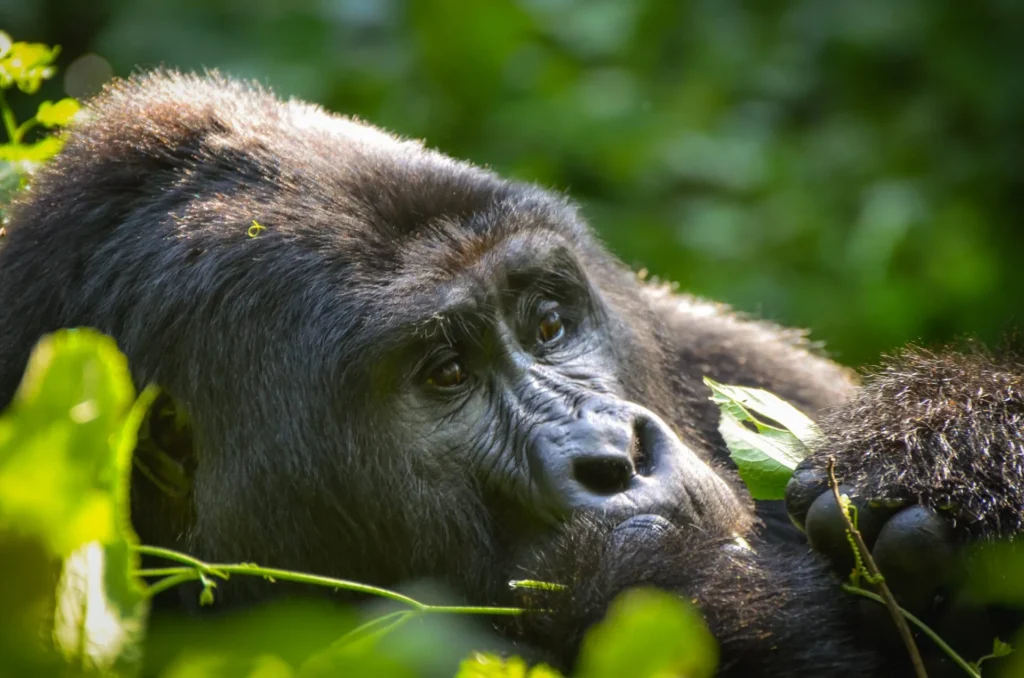
Volcanoes National Park gorilla trekking takes place in a remarkable mountain environment where clothing must perform under changing conditions. Visitors travel through the forested slopes of the Virunga Mountains, where bamboo vegetation, uneven ground, cool temperatures and occasional heavy rainfall create practical challenges.
The park’s landscape differs from Rwanda’s lower-altitude savannah and urban destinations. A garment that feels comfortable during a warm afternoon in Kigali may be unsuitable for a damp mountain forest.
This Volcanoes gorilla trekking clothing guide examines how clothing should be selected for the park’s specific terrain and climate. It explains what to wear on steep slopes, how to protect against stinging nettles, why waterproof layers are important and how to balance warmth with ventilation.
The focus is on practical clothing performance rather than general safari fashion.
Understanding the Terrain of Volcanoes National Park
Volcanoes National Park protects part of the Virunga Massif in northwestern Rwanda.
The official Visit Rwanda destination guide describes a landscape containing bamboo forest, evergreen vegetation, open grassland, swamp and heath.
The park is associated with five volcanoes: Karisimbi, Bisoke, Sabyinyo, Gahinga and Muhabura.
Mount Karisimbi reaches approximately 4,507 metres above sea level.
Standard gorilla trekking does not require climbing the summit, but the surrounding volcanic terrain influences walking conditions.
Why Terrain Matters for Clothing
Steep slopes require garments that allow unrestricted movement.
Dense vegetation requires protection against scratches and nettles.
Wet ground increases the importance of waterproof footwear and lower-leg protection.
Cool mountain conditions make adaptable layering useful.
The best Volcanoes National Park trekking outfit addresses all these factors.
Clothing for Steep Volcanic Slopes
Walking uphill places different demands on clothing from walking on level ground.
Visitors need sufficient freedom of movement through the hips, knees and shoulders.
Flexible Trousers
Choose trekking trousers with a comfortable cut.
Stretch panels or flexible fabric can make climbing easier.
Avoid restrictive jeans.
Breathable Shirts
Uphill walking generates body heat.
Breathable shirts help manage perspiration.
Long sleeves provide protection without requiring excessively heavy fabric.
Lightweight Layers
A bulky jacket may become uncomfortable during climbing.
Choose layers that can be removed and packed easily.
Secure Clothing
Loose scarves, dangling accessories and oversized garments may catch on vegetation.
Keep clothing fitted comfortably without restricting movement.
Clothing for Bamboo Forest
Bamboo vegetation forms an important part of the mountain gorilla habitat.
Some bamboo areas contain relatively open passages, while others include dense stems and fallen vegetation.
Long Sleeves
Long sleeves protect the arms against scratches.
Choose fabric that is durable but breathable.
Long Trousers
Trousers protect the legs against vegetation and insects.
Gloves
Gardening or leather gloves provide useful protection when negotiating plants.
Avoid Loose Accessories
Long scarves and dangling straps may catch on bamboo.
Keep accessories secure.
Clothing for Stinging Nettles
Stinging nettles are an important practical consideration in Volcanoes National Park.
The official Visit Rwanda guidance specifically recommends sturdy clothing and gloves to protect against them.
Why Nettles Matter
Contact with nettles can cause temporary skin irritation.
Dense vegetation may make avoiding every plant difficult.
Best Protective Clothing
Wear long trousers and long sleeves.
Choose fabrics that provide reasonable coverage rather than extremely thin material.
Gloves
Durable gardening gloves protect the hands.
Lower-Leg Protection
Gaiters or long socks provide additional coverage.
What If You Touch Nettles?
Avoid scratching irritated skin.
Follow appropriate first-aid guidance if symptoms develop.
Seek medical assistance for severe or unusual reactions.
Waterproof Clothing for Mountain Rain
The Virunga Mountains can experience rainfall throughout the year.
A dry morning does not guarantee dry conditions during the trek.
Waterproof Jackets
Choose a lightweight jacket with a hood.
The jacket should provide adequate protection without restricting movement.
Waterproof Overtrousers
Overtrousers are useful during sustained rainfall.
They also protect against wet vegetation.
Waterproof Versus Water-Resistant Fabrics
Water-resistant clothing may cope with light showers.
Waterproof clothing is preferable for prolonged exposure.
Breathability
Walking uphill generates heat and perspiration.
Breathable waterproof fabrics can improve comfort.
Packability
Choose rainwear that can be folded into a compact daypack.
Clothing for Muddy Volcanic Ground
Mud can make forest walking physically demanding.
Although footwear provides the main traction, clothing also affects comfort.
Gaiters
Gaiters help prevent mud from entering boots.
Durable Trousers
Choose trousers that tolerate contact with wet soil and vegetation.
Quick-Drying Fabrics
Quick-drying clothing is more comfortable after rainfall.
Spare Clothing
Keep dry socks and trousers at your accommodation.
Avoid Heavy Cotton
Heavy cotton can retain moisture and become uncomfortable.
Hiking Boots for Volcanoes National Park
Hiking boots for Volcanoes gorilla trekking should provide reliable traction on natural terrain.
Outsole Design
Choose soles intended for hiking.
Deep tread patterns can improve grip on soft ground.
Fit
Boots should fit comfortably with hiking socks.
Allow sufficient toe space for descents.
Ankle Coverage
Mid-cut boots provide useful protection against vegetation.
Waterproofing
Water-resistant or waterproof boots are practical in damp conditions.
Break-In Period
Wear boots during several training walks.
Avoid using unfamiliar footwear for the trek.
Clothing for Downhill Walking
Descending steep terrain places particular demands on the knees and balance.
Clothing should not restrict the stride.
Trouser Fit
Avoid tight trousers that restrict knee movement.
Boot Fit
Ensure toes do not press against the front of the boot during descents.
Socks
Comfortable hiking socks reduce friction.
Gaiters
Gaiters help keep debris out of footwear.
Walking Support
A trekking stick may improve stability, subject to ranger instructions.
Managing Body Temperature During Trekking
The mountain environment can create substantial changes in perceived temperature.
Visitors may begin the morning feeling cool and later become warm during climbing.
Start With Adjustable Layers
Wear a breathable base layer.
Carry a lightweight insulating garment.
Keep waterproof outerwear accessible.
Avoid Overheating
Remove excess layers before becoming excessively warm.
Manage Perspiration
Moisture-wicking fabrics improve comfort.
Prepare for Rest Stops
A lightweight fleece can be useful when activity slows.
Protect Against Rain
Add waterproof clothing promptly when conditions change.
Clothing for the Kinigi Morning Briefing
Visitors normally assemble at Kinigi at 7:00 a.m.
Early morning conditions may feel cool.
Wear your trekking trousers, boots and base layer.
Carry a lightweight fleece and waterproof jacket.
Avoid arriving in unsuitable casual clothing.
After the briefing, visitors may travel towards their designated forest starting point.
Clothing for Relatively Dry Months
June to September and parts of December to February are commonly associated with relatively drier conditions.
However, mountain rainfall remains possible.
Recommended Clothing
Long trousers, long sleeves, hiking boots and protective gloves remain essential.
Rain Protection
Carry a waterproof jacket.
Warm Layers
A fleece may be useful during cool mornings.
Gaiters
Gaiters remain valuable because vegetation and ground can be damp.
Clothing for Wetter Months
March to May and October to November commonly experience more rainfall.
During these periods, prioritise waterproof protection.
Waterproof Boots
Choose footwear that provides traction and water resistance.
Waterproof Trousers
Consider lightweight overtrousers.
Gaiters
Long gaiters provide useful protection against mud.
Quick-Drying Clothing
Avoid heavy fabrics that retain moisture.
Spare Socks
Keep dry socks at your accommodation.
Clothing for Different Trekking Durations
The location of the allocated gorilla family determines how long visitors may need to walk.
A shorter trek can still involve muddy or steep terrain.
A longer trek increases the importance of comfort and moisture management.
Shorter Treks
Wear the full protective clothing system even if the route is expected to be relatively manageable.
Longer Treks
Breathability and comfortable footwear become especially important.
Unpredictable Conditions
Do not remove essential clothing from your packing list based on an expected walking duration.
Clothing for Senior Visitors
Older travellers may prefer lightweight garments that are easy to adjust.
Supportive footwear and comfortable trousers are particularly important.
Avoid bulky clothing that restricts movement.
A lightweight fleece can improve comfort during cool periods.
Visitors with mobility concerns should discuss their requirements before trekking.
Clothing for Visitors With Joint Problems
Visitors with knee or ankle difficulties should prioritise unrestricted movement and suitable footwear.
Choose trousers that allow comfortable bending.
Wear supportive boots that have been tested during walking.
Avoid carrying unnecessary clothing weight.
Seek medical advice where appropriate.
What Not to Wear in Volcanoes National Park
Avoid shorts that expose the legs to vegetation.
Do not wear smooth-soled fashion shoes.
Avoid heavy jeans.
Do not rely on a thin fashion raincoat during sustained rainfall.
Avoid restrictive clothing that makes climbing difficult.
Do not carry loose accessories that may catch on vegetation.
How to Prepare Clothing the Evening Before Trekking
Lay out your complete outfit.
Check that boots and socks are dry.
Inspect your waterproof jacket.
Place gloves and gaiters beside your boots.
Pack spare layers securely.
Check the weather forecast, but prepare for rain regardless.
Organising clothing in advance makes the early morning departure easier.
Clothing Maintenance After Trekking
After returning from the forest, remove muddy footwear.
Allow boots to dry naturally.
Wash clothing according to fabric instructions.
Clean gaiters and gloves.
Do not store wet clothing in sealed luggage for extended periods.
If continuing with other activities, pack muddy items separately.
Frequently Asked Questions About Volcanoes Gorilla Trekking Clothing
What should I wear for gorilla trekking in Volcanoes National Park?
Long trekking trousers, a breathable long-sleeved shirt, supportive hiking boots, gloves and a waterproof jacket.
Why are long trousers recommended?
They protect against nettles, scratches, insects and mud.
Are gardening gloves necessary?
They are strongly recommended for vegetation protection.
Do I need gaiters?
Gaiters are useful for mud and lower-leg protection.
Can I wear jeans?
Jeans are generally unsuitable because they become heavy when wet.
Is a waterproof jacket essential?
Yes. Rainfall can occur throughout the year.
Are waterproof trousers necessary?
They are optional but particularly useful during wetter conditions.
What boots are best?
Supportive hiking boots with reliable grip and water resistance.
Can I wear trainers?
Hiking footwear is preferable for uneven and muddy ground.
What should I wear during the dry season?
The same protective clothing remains important, including rainwear.
Is a fleece necessary?
A lightweight fleece is useful for cool mornings.
What colours are suitable?
Neutral outdoor colours are practical, but comfort and protection are more important.
Can I wear leggings?
Durable hiking leggings may be suitable, but thin leggings provide limited protection.
Should I bring spare socks?
Yes. Dry socks are useful after trekking.
What clothing is best for bamboo forest?
Long sleeves, durable trousers, gloves and supportive boots.
What should I wear after trekking?
Dry comfortable clothing and suitable footwear.
Final Advice on Volcanoes Gorilla Trekking Clothing
The best Volcanoes gorilla trekking clothing is designed for the park’s natural conditions rather than ordinary sightseeing.
Long protective garments help prevent contact with nettles and dense vegetation.
Supportive boots and gaiters improve comfort on muddy slopes.
Waterproof outerwear and lightweight layers allow visitors to adapt to changing mountain weather.
Choose comfortable, durable clothing that has been tested during outdoor walking.
For assistance with Volcanoes National Park gorilla trekking, permits, porter arrangements and practical visitor preparation, contact Gorilla Rwanda Safaris.