
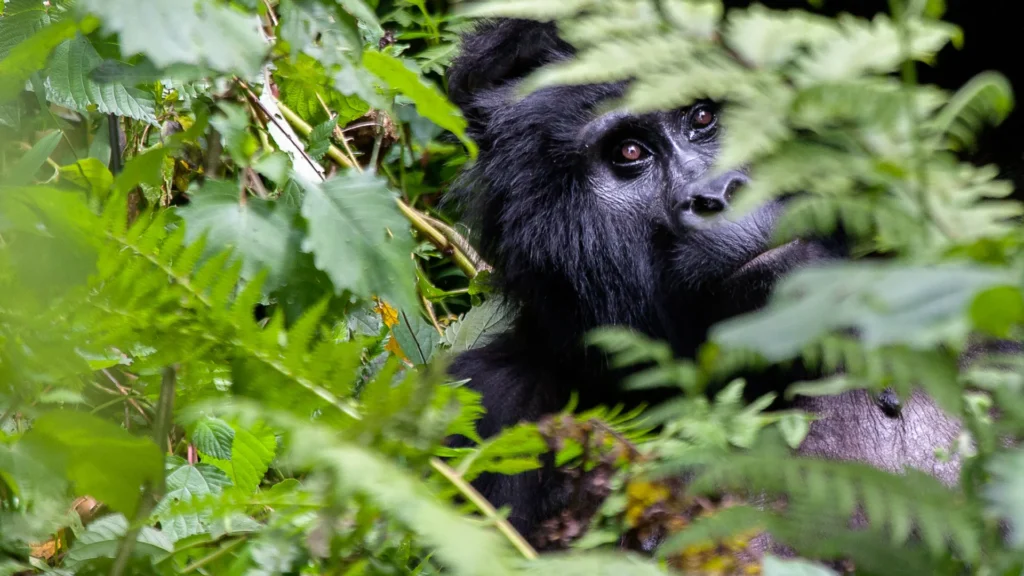
A journey to observe Rwanda’s mountain gorillas is unlike a conventional wildlife safari. Rather than travelling through open savannah in search of animals from a vehicle, visitors enter protected mountain forest on foot, accompanied by professional guides and trackers. The encounter is carefully regulated, physically variable and shaped by the natural movements of endangered great apes.
Planning Rwanda mountain gorilla itineraries therefore requires understanding the animals themselves as well as the practical arrangements. Their habitat, social behaviour, conservation status and sensitivity to human disturbance influence how tourism is organised. Visitors should also consider their fitness, accommodation location, photography requirements and the amount of time needed to prepare for the experience.
The most rewarding journey is not necessarily the longest or most expensive. A carefully organised visit can provide an extraordinary wildlife encounter while respecting the gorillas and the surrounding communities.
This guide explains how to plan a mountain gorilla-focused journey in Rwanda, from permit booking and trekking preparation to responsible photography, accommodation choices, conservation education and the decision to undertake more than one gorilla trek.
Understanding Rwanda’s Mountain Gorillas
Mountain gorillas, scientifically known as Gorilla beringei beringei, are a subspecies of eastern gorilla.
They inhabit two principal regions in East-Central Africa: the Virunga Massif and Uganda’s Bwindi forest landscape.
In Rwanda, mountain gorillas live in Volcanoes National Park, part of the Virunga conservation landscape shared with Uganda and the Democratic Republic of the Congo.
Their habitat includes bamboo forest, montane vegetation and volcanic slopes.
The animals move through this environment in search of food and suitable resting areas.
Why Mountain Gorillas Are Special
Mountain gorillas are among humanity’s closest living relatives.
Their social behaviour, family relationships and communication make them especially fascinating to observe.
They live in groups that may include a dominant silverback, adult females, younger males and infants.
Group composition varies naturally.
Visitors may observe feeding, resting, grooming or interactions between family members.
Why Gorilla Behaviour Matters for Itinerary Planning
Mountain gorillas are not confined to a fixed viewing area.
Their daily movements depend on food availability, social behaviour and environmental conditions.
Trackers monitor habituated families, but the animals remain wild.
This means that trekking routes and walking times can change from day to day.
A visitor should therefore avoid planning the experience as though it were a scheduled performance.
Understanding Habituated Gorilla Families
Habituation is a gradual process through which certain gorilla groups become accustomed to the controlled presence of researchers and authorised visitors.
Habituated gorillas remain wild animals.
Their behaviour is not directed by guides, and visitors must respect the required distance and other regulations.
Choosing the Right Gorilla Trekking Date
The Rwanda gorilla trekking permit is issued for a specific date.
Availability is limited because visitor numbers are controlled.
Travellers should check permit availability before making non-refundable accommodation or flight commitments.
The published standard international permit price has been USD 1,500 per person, subject to current official tariffs and eligibility categories.
Why Early Booking Helps
Popular travel periods may experience strong demand.
Early planning can provide more flexibility over accommodation and transport.
However, travellers should confirm the permit before treating the itinerary as final.
Understanding the Standard Gorilla Trekking Experience
The standard gorilla trekking activity begins with a morning briefing at the park headquarters in Kinigi.
Visitors are organised into groups and proceed according to the day’s official arrangements.
The walking portion varies according to the location of the assigned gorilla family.
Once the gorillas are found, the standard viewing period is limited to one hour.
Why the Encounter Is Limited
Mountain gorillas are sensitive to human disturbance and certain infectious diseases.
Limiting visitor numbers and viewing time helps reduce pressure on the animals.
The regulations are an essential part of responsible conservation tourism.
How Much Time Should You Allow?
The ideal duration of a mountain gorilla-focused visit depends on travel arrangements and personal interests.
Visitors arriving from overseas may benefit from rest before trekking.
Those travelling from Kigali should account for the road journey to the Volcanoes region.
The forest walk itself can take several hours.
Avoiding an Overcrowded Schedule
A common mistake is attempting to fit too many activities around the gorilla encounter.
The trek may be physically demanding, and its finishing time is unpredictable.
Visitors should allow time to rest rather than scheduling multiple fixed appointments immediately afterwards.
One Gorilla Trek or Two?
Some travellers choose to undertake more than one gorilla trek.
Each trekking date requires a separate permit.
A second encounter can provide an opportunity to observe different behaviours or photographic conditions.
However, it does not guarantee a different gorilla family or a particular experience.
Advantages of a Second Trek
Gorilla behaviour changes naturally.
One encounter may involve a resting family, while another may provide opportunities to observe feeding or social interactions.
Photographers may also appreciate the possibility of different lighting conditions.
Considerations Before Booking Two Treks
Two permits represent a substantial additional expense.
The physical demands of repeated forest walking should also be considered.
Visitors should assess their fitness and budget before committing.
Choosing Accommodation for a Gorilla-Focused Journey
Accommodation should support preparation and recovery.
The main areas are Musanze, Kinigi and rural locations surrounding Volcanoes National Park.
Musanze offers hotels, guesthouses and urban services.
Kinigi provides convenient access to the official park headquarters.
Rural lodges may offer mountain views and quieter surroundings.
What Matters Most
A comfortable bed, reliable hot water and early breakfast arrangements are especially useful.
Visitors should also confirm transport to the briefing and the availability of packed meals.
Luxury accommodation is not necessary to participate in the official trekking programme.
Preparing Physically for Gorilla Trekking
The forest environment may involve steep slopes, mud, dense vegetation and uneven ground.
Visitors should be comfortable walking for extended periods.
Regular walking and hill training can help improve endurance.
However, the actual difficulty varies according to the assigned gorilla family and conditions.
Footwear
Sturdy hiking boots with good grip are important.
Waterproof or water-resistant footwear can improve comfort.
Visitors should avoid using completely new boots for the first time on trekking day.
Clothing
Long trousers and long sleeves help protect against vegetation.
A waterproof jacket is useful throughout the year.
Gloves and gaiters may provide additional comfort.
Altitude and Mountain Conditions
The Virunga Mountains rise substantially above Kigali.
Walking at altitude can feel more demanding than walking on level ground.
Visitors should pace themselves and communicate any concerns to their guides.
Those with significant medical conditions should seek appropriate professional advice before undertaking strenuous activity.
Porter Assistance
Porters can assist with carrying bags and supporting visitors on difficult sections.
Their services can be particularly useful for older travellers and photographers.
Hiring a porter also provides income to local residents.
Current arrangements and fees should be confirmed locally.
Planning for Older Travellers
Older visitors may participate in gorilla trekking when their physical abilities and health are suitable.
Accommodation close to Kinigi can reduce morning travel.
Comfortable vehicles and adequate rest are also important.
However, no accommodation choice can guarantee an easy forest route.
Mobility Concerns
Visitors with mobility limitations should communicate their needs before booking.
Specialised assistance may be possible through separate arrangements, but availability and suitability must be confirmed.
Planning for Families
The standard minimum age for Rwanda gorilla trekking is 15 years.
Families with younger children should arrange alternative activities and appropriate supervision.
Accommodation providers may offer family rooms, but services vary.
Parents should confirm all arrangements before arrival.
Mountain Gorilla Photography Planning
Rwanda mountain gorilla photography is challenging because the forest environment can be shaded and humid.
Gorillas may move through dense vegetation or rest in areas with limited light.
Photographers should prepare suitable equipment and protect it from moisture.
Camera Equipment
A camera with good low-light performance can be useful.
A moderate telephoto lens may provide flexibility, although the ideal equipment depends on personal preferences.
Heavy equipment can become tiring during long forest walks.
Responsible Photography
Flash photography is prohibited.
Visitors must maintain the required distance and follow guide instructions.
A photograph should never be prioritised over the welfare of the gorillas.
Understanding Gorilla Social Behaviour
Mountain gorilla groups are organised around social relationships.
A dominant silverback may play an important role in group protection and movement.
Females care for infants, while juveniles often display playful behaviour.
These interactions can make the encounter deeply memorable.
Silverbacks
A silverback is a mature male gorilla distinguished by the development of silver-coloured hair across the back.
Silverbacks may lead or protect groups, although social structures vary.
Visitors should follow guide instructions when observing adult males.
Infants and Juveniles
Young gorillas may play, climb or interact with other group members.
Their behaviour is fascinating to observe, but visitors should not attempt to approach them.
The required distance applies to all gorillas.
Gorilla Conservation and Responsible Tourism
Mountain gorillas remain endangered.
Their protection depends on habitat conservation, monitoring, veterinary support and cooperation with surrounding communities.
Tourism contributes to the economic framework supporting conservation, but it also creates responsibilities.
Visitors should follow all park regulations and avoid activities that disturb the animals.
Health Precautions
Mountain gorillas can be vulnerable to certain human-transmitted illnesses.
Visitors experiencing contagious symptoms should disclose them before trekking.
The welfare of the gorillas must take priority over individual travel plans.
Supporting Local Communities
Tourism creates employment for guides, trackers, porters, drivers and accommodation staff.
Visitors can support responsible local businesses and community initiatives.
Understanding the Best Time for Mountain Gorilla Trekking
Gorilla trekking operates throughout the year, subject to official arrangements.
Rwanda generally experiences comparatively drier periods around June to September and December to February.
Wetter conditions often occur during March to May and October to November.
However, mountain weather is variable.
Drier Conditions
Trails may be less muddy during comparatively dry periods.
These months can attract greater visitor demand.
Wetter Conditions
Rain may make forest walking more challenging.
Waterproof clothing and suitable footwear are particularly important.
The forest can also appear especially lush.
Combining Gorilla Trekking with Golden Monkeys
Golden monkey trekking provides a different primate experience within the Volcanoes region.
Golden monkeys are active animals associated with bamboo and other forest habitats.
The activity requires separate arrangements.
Visitors interested in primate behaviour may find the contrast rewarding.
Combining Gorilla Trekking with Conservation Education
The Volcanoes region has a long history of mountain gorilla research.
Dian Fossey is closely associated with the scientific study and protection of gorillas in the Virunga Mountains.
Visitors may explore appropriate educational experiences to learn more about the species and the conservation challenges it faces.
Understanding this history can add depth to the wildlife encounter.
Combining Gorilla Trekking with Other Rwanda Destinations
Travellers with additional time may visit Lake Kivu, Nyungwe National Park or Akagera National Park.
Each destination offers a different environment.
Lake Kivu provides lakeside scenery.
Nyungwe is associated with montane rainforest and chimpanzees.
Akagera offers savannah wildlife viewing.
These additions should be selected according to travel time and personal interests rather than automatically included.
Comparing Rwanda and Uganda Mountain Gorilla Experiences
Mountain gorilla trekking is also available in Uganda.
Rwanda’s Volcanoes National Park offers relatively convenient road access from Kigali.
Uganda’s Bwindi Impenetrable National Park and Mgahinga Gorilla National Park provide different forest landscapes and travel arrangements.
Permit prices, accommodation and transport costs differ.
Travellers should compare the complete experience rather than focusing solely on one expense.
Common Mistakes in Mountain Gorilla Trip Planning
One mistake is assuming that gorillas can be observed without walking through the forest.
Another is expecting a fixed trekking duration.
Some visitors underestimate the importance of suitable footwear or arrive without enough drinking water.
Others assume that expensive accommodation guarantees a particular gorilla family.
Understanding the official programme helps avoid unrealistic expectations.
Frequently Asked Questions About Rwanda Mountain Gorilla Itineraries
Where can I see mountain gorillas in Rwanda?
At Volcanoes National Park in northwestern Rwanda.
How do I book a gorilla trekking date?
Through authorised permit booking arrangements, subject to availability.
How long is the gorilla encounter?
The standard viewing period is limited to one hour after the gorilla family is located.
How long does the forest trek take?
Walking time varies according to gorilla movements, terrain and weather.
Can I see gorillas without hiking?
The standard activity involves guided walking through forest habitat. Visitors with mobility limitations should enquire about specialised assistance.
Is gorilla trekking suitable for older travellers?
It may be, depending on health, fitness and mobility.
What is the minimum age?
The standard minimum age is 15 years.
Can I photograph gorillas?
Yes, subject to park regulations. Flash photography is prohibited.
Can I choose a particular gorilla family?
The authorities manage group allocation, and a specific family cannot be guaranteed.
Are gorilla sightings guaranteed?
No wildlife encounter can be guaranteed.
Should I undertake two gorilla treks?
A second trek may offer different observations, but it requires another permit and additional physical effort.
Where should I stay?
Musanze, Kinigi and nearby rural lodges are the main options.
Can I combine gorillas with golden monkeys?
Yes, through separate activity arrangements.
What is the best season?
Trekking is possible throughout the year, with different weather conditions across seasons.
Why are visitor numbers limited?
Restrictions help protect endangered gorillas and reduce human disturbance.
Plan a Meaningful Rwanda Mountain Gorilla Encounter
The best Rwanda mountain gorilla itinerary is one that respects the animals, allows sufficient preparation and reflects the traveller’s physical abilities and interests.
At Gorilla Rwanda Safaris, we assist with permits, accommodation, transport and responsible gorilla trekking arrangements. Complete safari packages can be explored separately as linked options.
By understanding the gorillas’ behaviour, habitat and conservation needs, visitors can approach the experience with realistic expectations and a deeper appreciation of one of the world’s most extraordinary endangered species.