
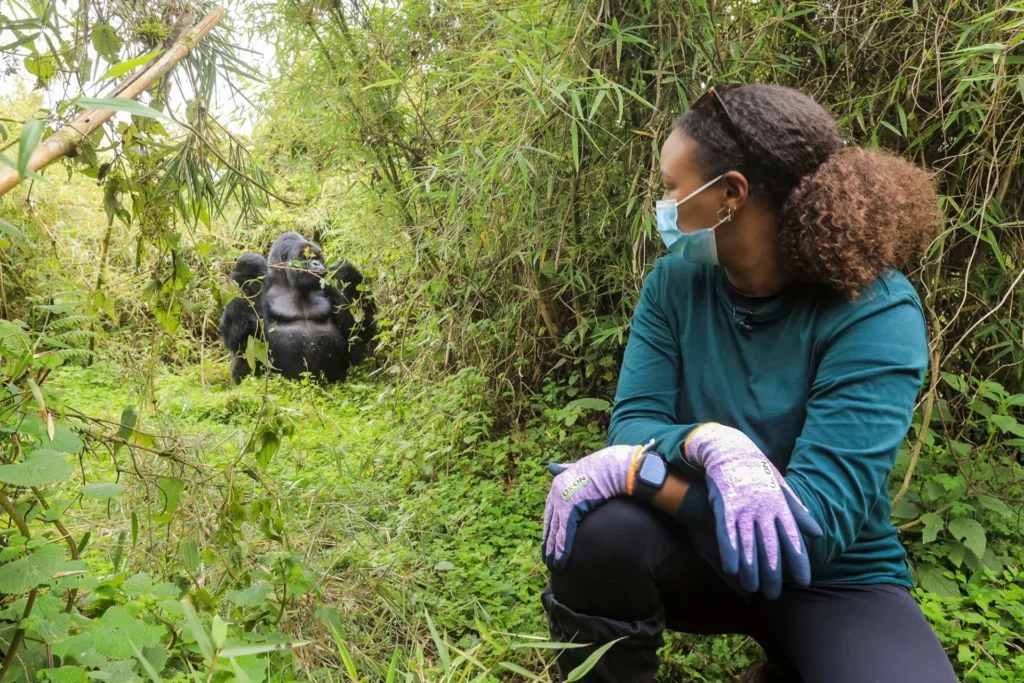
1 Day Bwindi Gorilla Trek
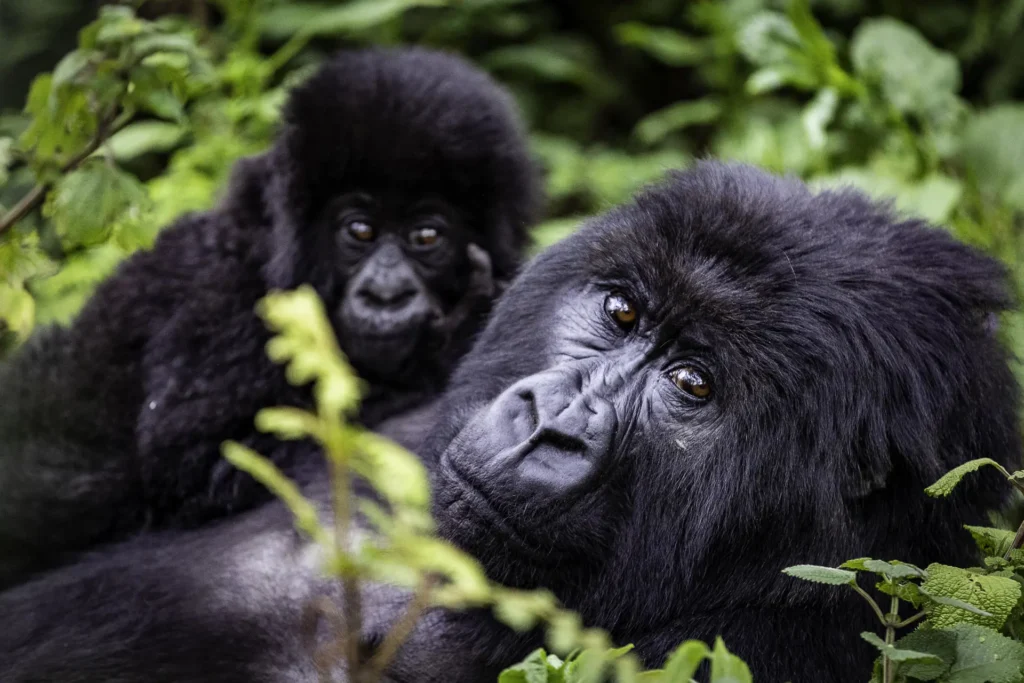
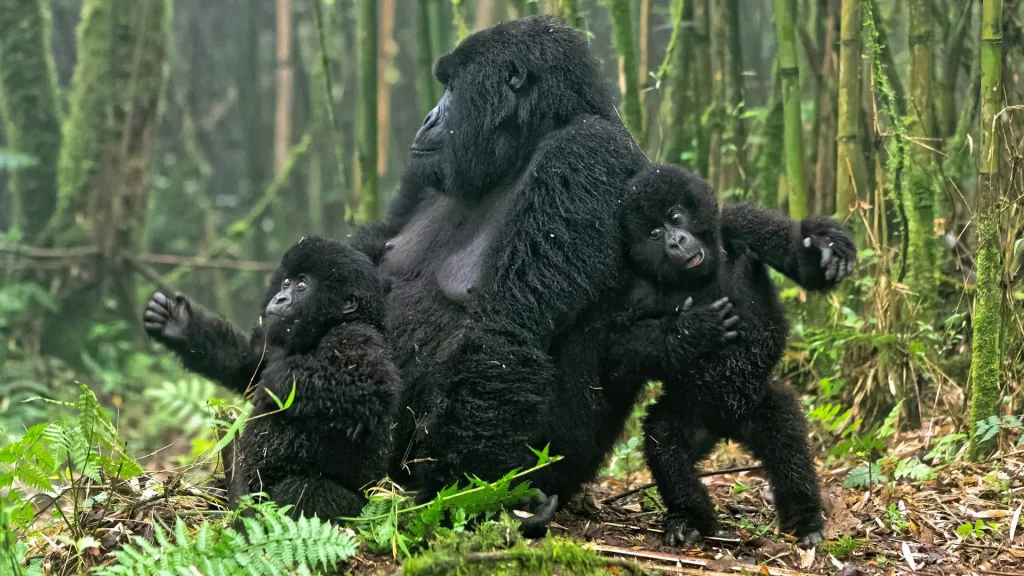
A one-day mountain gorilla trek in Bwindi for travellers who are already in southwestern Uganda.
View SafariHandpicked Kenya Safari Tours for Every Traveler
Cultural tours in Rwanda reveal a country whose identity is shaped by a rich historical heritage, strong community traditions, artistic expression and a remarkable journey of national reconstruction.
Rwanda is a relatively small East African country with a strong shared national identity. Kinyarwanda is widely spoken throughout the country, while English, French and Swahili also have official status.
The country's cultural traditions reflect generations of agricultural life, cattle keeping, craftsmanship, storytelling, music and social organisation. Historical institutions, including the Rwandan monarchy, played an important role in shaping political and cultural life.
Modern Rwanda also reflects the profound effects of the 1994 Genocide against the Tutsi and the country's subsequent reconstruction. Understanding this history is essential to appreciating contemporary Rwanda respectfully and accurately.
Visitors should avoid viewing Rwandan culture as something fixed in the past. Traditional practices remain important, but they exist alongside contemporary art, fashion, technology, business and urban culture.
Learning a few words of Kinyarwanda can enrich interactions during a cultural holiday.
Simple greetings such as *Muraho* and expressions of thanks such as *Murakoze* are useful starting points.
Visitors should listen carefully to local usage and follow their guides' advice about appropriate greetings and forms of address.
Language is more than a practical communication tool. It offers insight into social relationships, courtesy and the shared cultural heritage of Rwanda.
Showing 1–12 of 222 safaris
A one-day mountain gorilla trek in Bwindi for travellers who are already in southwestern Uganda.
View SafariA single day in Kampala for the kasubi and palace area, a cultural show, and a market or…
View SafariA full day in Kigali covering the Genocide Memorial, a neighborhood market, and one or two museums.
View SafariA single day on Mount Bisoke, with the crater lake as the turnaround point.
View SafariThe 1 Day Rwanda Family Safari offers an exciting and educational wildlife adventure for families visiting Rwanda.
View SafariThe 3 Day Rwanda Gorilla and Akagera Safari combines mountain gorilla trekking in Volcanoes National Park with wildlife…
View SafariThe 4 Day Rwanda Gorilla and Nyungwe Safari combines mountain gorilla trekking in Volcanoes National Park with chimpanzee…
View SafariThe 1 Day Rwanda Gorilla Trekking Safari offers an unforgettable opportunity to encounter endangered mountain gorillas in their…
View SafariThe 1 Day Rwanda Honeymoon Safari offers couples a romantic escape to the beautiful shores of Lake Kivu,…
View SafariThe 1 Day Rwanda Luxury Safari offers an exclusive wildlife experience in Akagera National Park, Rwanda's premier Big…
View SafariThe 1 Day Rwanda Primates Safari offers an exciting opportunity to encounter Rwanda's endangered golden monkeys in the…
View SafariThe 1 Day Rwanda Wildlife Safari offers an exciting opportunity to explore Akagera National Park, Rwanda's premier savannah…
View SafariKigali cultural tours provide an introduction to Rwanda's modern identity, historical memory and creative life.
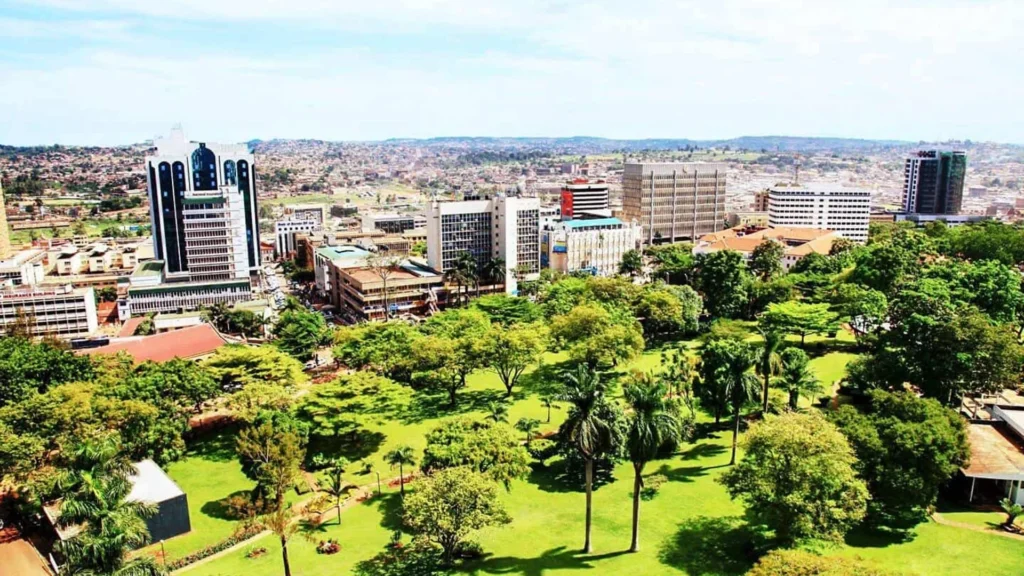
As the country's capital, Kigali combines government institutions, residential neighbourhoods, markets, museums, galleries and a growing hospitality sector.
The city is also Rwanda's principal international gateway, making it a practical place to begin exploring the country's history and culture.
The Kigali Genocide Memorial is one of Rwanda's most significant historical and commemorative sites.
It honours victims of the 1994 Genocide against the Tutsi and provides educational exhibitions examining the historical background, events and consequences of the genocide.
A visit can be emotionally demanding. Travellers should allow sufficient time to engage with the exhibitions respectfully rather than treating the memorial as a brief sightseeing stop.
Photography restrictions and visitor conduct requirements should be observed.
The memorial is an essential destination for visitors who wish to understand Rwanda's contemporary history, but it should never be presented as entertainment.
Kigali has a vibrant creative community whose work reflects contemporary Rwandan society.
Art galleries and studios provide opportunities to explore painting, sculpture, mixed media, photography and other forms of artistic expression.
Inema Arts Center is among the city's recognised contemporary art spaces.
Gallery programmes and opening arrangements may change, so visitors should check current information before travelling.
Contemporary art provides an important reminder that Rwanda's cultural identity includes present-day creativity as well as historical traditions.
Kimironko Market offers an introduction to everyday commerce in Kigali.
Visitors can observe the sale of produce, fabrics, household items and other goods while learning about local trade.
Markets are working environments, not staged tourist attractions. Travellers should avoid obstructing vendors, ask permission before photographing individuals and respect normal commercial activity.
A knowledgeable local guide can explain products and customs without disrupting the market.
Nyanza is one of Rwanda's most important destinations for understanding the country's traditional monarchy.
Located south of Kigali, the town preserves connections with Rwanda's royal history and cultural institutions.
The King's Palace Museum introduces visitors to aspects of traditional royal life, architecture and customs.
The museum includes a reconstruction of a traditional royal residence, allowing visitors to examine historical building techniques and the organisation of royal spaces.
The site also provides opportunities to learn about the significance of cattle in Rwanda's traditional royal culture.
Inyambo cattle, recognised for their exceptionally long horns, are closely associated with Rwanda's royal heritage.
Historically, cattle held important economic, social and ceremonial significance.
At the royal heritage site, visitors can learn about the animals' cultural role and the traditions surrounding their care.
The experience is particularly valuable for travellers interested in how livestock, status and identity were connected in historical Rwandan society.
A visit to Nyanza helps explain Rwanda's history before colonial rule and before the formation of modern political institutions.
It provides a broader historical perspective than one focused exclusively on recent events.
Huye, historically known as Butare, is an important educational and cultural centre in southern Rwanda.
The town is home to the Ethnographic Museum, which contains collections relating to Rwanda's traditional life and material culture.
The museum provides insight into historical tools, agricultural practices, clothing, household objects, crafts and other aspects of social life.
These collections help visitors understand how communities adapted to their environments and organised everyday activities.
Museum interpretation also provides context for traditions that may still influence contemporary life.
Huye can be explored alongside other attractions in southern Rwanda.
Visitors interested in history may appreciate spending time in the town rather than treating it only as a transit point.
Cultural travel is often more rewarding when it allows opportunities for discussion and reflection.
Traditional Rwandan dance is an important form of cultural expression.
Performances may include drumming, singing and coordinated movement, often reflecting themes associated with history, celebration and community identity.
One of the best-known forms is Intore dance, historically associated with the royal court and traditions of performance.
Intore performances are recognisable for their energetic movements and distinctive presentation.
The tradition is an important part of Rwanda's cultural heritage, but performances vary according to the group and occasion.
Visitors should appreciate the historical context rather than assuming every modern performance is an unchanged reconstruction of the past.
Cultural performers are skilled artists whose work deserves appropriate compensation and recognition.
Visitors should ask before photographing or recording performances and should follow any restrictions established by organisers.
Community tourism in Rwanda creates opportunities for visitors to learn from local residents while supporting community enterprises.
Experiences may involve guided village walks, craft demonstrations, cooking activities, agricultural visits or cultural performances.
The quality of these experiences depends on how they are organised.
Responsible Rwanda village experiences should involve voluntary participation and fair compensation.
Communities should have meaningful control over how their culture and everyday life are presented.
Visitors should not expect unrestricted access to private homes or personal activities.
A good guide helps explain local customs and ensures that interactions remain respectful.
Travellers should be cautious about experiences that present poverty or everyday hardship as a tourist attraction.
Cultural tourism should create understanding and mutual respect, not reinforce stereotypes.
The most valuable experiences often involve genuine conversation and learning rather than elaborate performances.
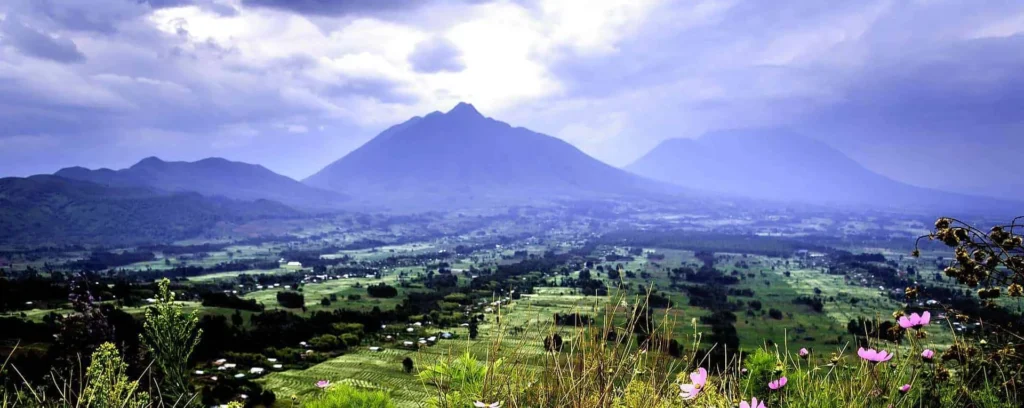
The Musanze region offers opportunities to explore communities living near the Virunga Mountains.
Agriculture, tourism and conservation are important aspects of the local economy.
The Gorilla Guardians cultural initiative, historically associated with Iby'Iwacu Cultural Village, is among the recognised community tourism experiences in the Volcanoes region.
Activities may introduce visitors to selected traditions, crafts, music and local history.
Travellers should verify current programmes and arrangements rather than assuming that every activity is offered daily.
Communities surrounding Volcanoes National Park are important stakeholders in conservation.
Tourism creates employment through guiding, porter services, accommodation and related businesses.
Cultural experiences can help visitors understand the relationship between protected wildlife habitats and neighbouring settlements.
Rwanda coffee tours introduce travellers to an important part of the country's agricultural economy.
Rwanda produces speciality coffee, and visitors can learn about cultivation, harvesting, processing and preparation.
Coffee grows in several parts of Rwanda, where altitude, climate and agricultural practices influence production.
Guided farm visits may explain how coffee plants are maintained and harvested.
Depending on the experience, visitors may learn about washing, drying, sorting and other processing stages.
The journey from coffee cherry to roasted bean provides insight into the work required to produce a finished cup.
Tasting sessions may introduce visitors to differences in aroma, acidity, body and flavour.
A coffee experience is most meaningful when it includes discussion of farmers, cooperatives and the economic relationships behind production.
Tea cultivation is another important part of Rwanda's agricultural landscape.
The highland regions surrounding Nyungwe are particularly associated with extensive tea plantations.
Visitors may enjoy scenic views of tea fields and, where arrangements permit, learn about cultivation and processing.
Agricultural tourism provides opportunities to understand the relationship between landscape, employment and export production.
However, visitors should not enter working plantations or production facilities without permission.
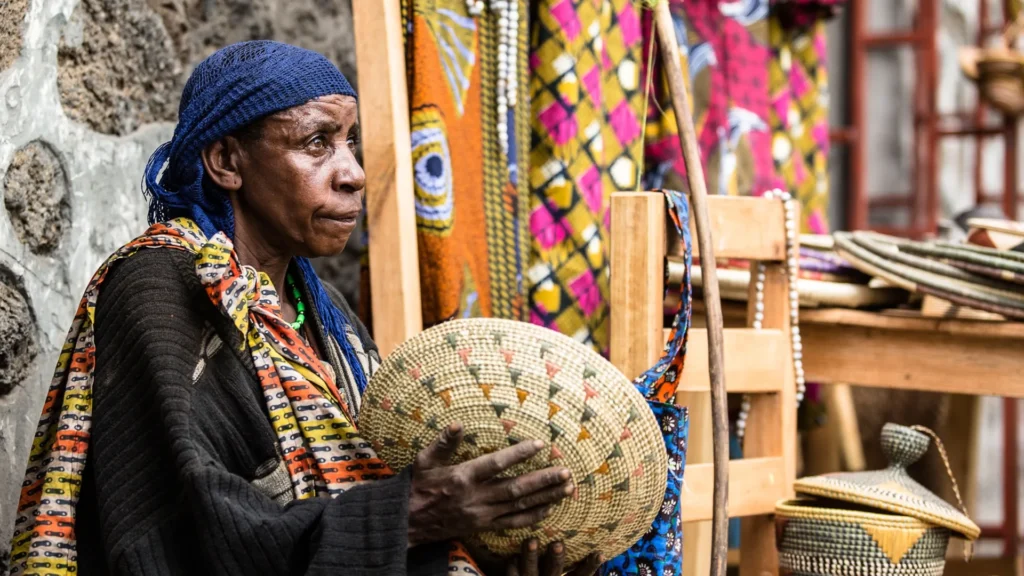
Rwanda traditional crafts include basket weaving, pottery, textiles and other forms of skilled production.
Crafts can reflect cultural traditions while also serving contemporary markets.
Agaseke baskets are among Rwanda's recognisable traditional craft products.
Their distinctive forms and weaving patterns make them popular examples of local craftsmanship.
Visitors can learn about weaving techniques and the cultural significance of baskets through appropriate workshops or artisan cooperatives.
Purchasing directly from artisans or transparent cooperatives can help support local livelihoods.
Travellers should respect the time and skill involved in production.
Negotiation should remain courteous and appropriate to the setting.
The communities surrounding Lake Kivu provide opportunities to explore lakeside life, agriculture and local traditions.
Rubavu, Karongi and Rusizi each offer different landscapes and cultural settings.
Visitors may encounter fishing communities, markets and small enterprises, but activities should be arranged respectfully and with appropriate local guidance.
Lake Kivu's cultural appeal lies partly in the interaction between everyday life and the surrounding natural environment.
Rwanda culinary tours can introduce travellers to local ingredients, cooking methods and food traditions.
Common foods include beans, plantains, cassava, sweet potatoes, maize and various vegetables.
Grilled meats and other dishes are also part of contemporary dining.
A guided cooking activity may provide opportunities to learn about ingredients and preparation techniques.
Travellers should approach these experiences as cultural exchanges rather than demonstrations arranged solely for photography.
Eating at locally operated restaurants can provide an introduction to everyday cuisine.
Visitors should follow normal food safety precautions and communicate dietary requirements in advance.
Rwanda hosts cultural and public events throughout the year.
One of the most internationally recognised conservation-related ceremonies is Kwita Izina, the naming ceremony associated with mountain gorillas.
The event connects conservation awareness with public celebration, although dates and programmes vary.
Visitors should confirm official event schedules rather than planning around assumed annual dates.
Other arts, music and cultural events may be available in Kigali and regional centres.
Rwanda family cultural tours can provide educational experiences for children and young adults.
Museums, craft workshops, markets and selected community activities may be suitable depending on age and interests.
Historical memorials require particular sensitivity. Parents should consider the emotional maturity of children before visiting exhibitions dealing with genocide and mass violence.
Guides can help adapt cultural explanations to the needs of different age groups.
Travellers with a strong interest in history may wish to explore several periods of Rwanda's development.
Royal heritage sites provide insight into pre-colonial institutions.
Museums and historical attractions explain aspects of social and cultural life.
Memorials and educational institutions address the 1994 Genocide against the Tutsi and its continuing significance.
A balanced cultural journey recognises that these historical periods are connected but distinct.
Comfortable clothing and footwear are useful for walking tours, markets and museums.
Visitors should dress respectfully, particularly at memorials and formal cultural institutions.
Photography permissions vary by location.
A private guide can help with language, interpretation and practical arrangements.
Travellers should also allow enough time to appreciate exhibits and experiences without rushing.
Responsible cultural travel in Rwanda involves listening, asking permission and respecting local perspectives.
Visitors should avoid intrusive questions about personal experiences of violence or loss.
They should not photograph individuals without consent or treat private homes as public attractions.
Supporting local guides, artisans and community enterprises can help ensure that tourism benefits extend beyond major attractions.
Important attractions include the Kigali Genocide Memorial, King's Palace Museum in Nyanza, Ethnographic Museum in Huye, Kigali's art galleries and selected community tourism experiences.
Yes. Cultural experiences around Musanze can complement visits to Volcanoes National Park.
Yes. Kigali offers museums, memorials, markets, galleries and contemporary urban culture.
The King's Palace Museum in Nyanza is an important destination.
Yes, through selected community tourism initiatives. Choose experiences that respect residents and provide fair benefits.
Yes. Guided coffee experiences are available in selected regions, subject to current arrangements.
Rules vary. Ask permission and follow site restrictions.
Many are, but historically sensitive attractions require age-appropriate consideration.
Kinyarwanda is widely spoken. English, French and Swahili also have official status.
Use qualified local guides, purchase crafts fairly and choose community experiences organised with meaningful local participation.
At Gorilla Rwanda Safaris, we help travellers discover cultural tours in Rwanda alongside the country's wildlife, landscapes and natural attractions.
Our team can advise on historical museums, Kigali sightseeing, community experiences, coffee tours and cultural attractions around Rwanda's national parks.
Contact us to plan a journey that combines meaningful cultural understanding with responsible travel through the Land of a Thousand Hills.