1 Day Bwindi Gorilla Trek
A one-day mountain gorilla trek in Bwindi for travellers who are already in southwestern Uganda.
View SafariHandpicked Kenya Safari Tours for Every Traveler
Safari safety in Rwanda is an important consideration for travellers planning mountain gorilla trekking, wildlife game drives, rainforest adventures or cultural holidays.
Rwanda is an established international tourism destination, welcoming visitors for wildlife experiences, business travel, conferences and cultural holidays.
Kigali and the principal national parks have developed tourism services that support organised travel.
However, the question “Is Rwanda safe for tourists?” cannot be answered responsibly with an unconditional guarantee.
Safety depends on the specific location, activity, current security situation, individual circumstances and travel arrangements.
Many visitors travel through Rwanda's principal tourism areas without serious problems.
Nevertheless, normal travel precautions remain necessary.
Travellers should safeguard passports, money, phones and other valuables.
Avoid displaying large amounts of cash or expensive equipment unnecessarily.
Visitors must comply with Rwandan laws and regulations.
Activities that may be acceptable elsewhere can be restricted locally.
Official government travel advisories should be checked before departure and again shortly before travel.
Security conditions can change, particularly in border regions.
No safari company can guarantee complete personal safety or predict every security development.
Reliable planning depends on current information rather than broad promotional statements.
Showing 1–12 of 222 safaris
A one-day mountain gorilla trek in Bwindi for travellers who are already in southwestern Uganda.
View SafariA single day in Kampala for the kasubi and palace area, a cultural show, and a market or…
View SafariA full day in Kigali covering the Genocide Memorial, a neighborhood market, and one or two museums.
View SafariA single day on Mount Bisoke, with the crater lake as the turnaround point.
View SafariThe 1 Day Rwanda Family Safari offers an exciting and educational wildlife adventure for families visiting Rwanda.
View SafariThe 3 Day Rwanda Gorilla and Akagera Safari combines mountain gorilla trekking in Volcanoes National Park with wildlife…
View SafariThe 4 Day Rwanda Gorilla and Nyungwe Safari combines mountain gorilla trekking in Volcanoes National Park with chimpanzee…
View SafariThe 1 Day Rwanda Gorilla Trekking Safari offers an unforgettable opportunity to encounter endangered mountain gorillas in their…
View SafariThe 1 Day Rwanda Honeymoon Safari offers couples a romantic escape to the beautiful shores of Lake Kivu,…
View SafariThe 1 Day Rwanda Luxury Safari offers an exclusive wildlife experience in Akagera National Park, Rwanda's premier Big…
View SafariThe 1 Day Rwanda Primates Safari offers an exciting opportunity to encounter Rwanda's endangered golden monkeys in the…
View SafariThe 1 Day Rwanda Wildlife Safari offers an exciting opportunity to explore Akagera National Park, Rwanda's premier savannah…
View SafariRwanda borders Uganda, Tanzania, Burundi and the Democratic Republic of the Congo.
Border regions can have different security considerations from central tourism areas.
The security situation in eastern Democratic Republic of the Congo has experienced serious instability.
Developments involving armed groups and regional tensions can affect travel advice and border arrangements.
Travellers visiting western Rwanda should review current official advisories for their intended locations.
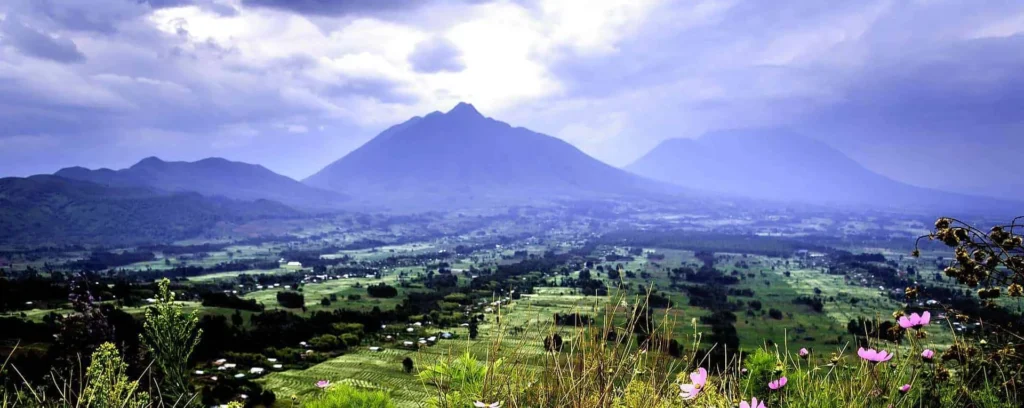
Volcanoes National Park lies within the Virunga region, close to international borders. Our Volcanoes National Park page has more on the park.
Gorilla trekking takes place under organised park authority procedures.
However, visitors should not assume that the security situation in neighbouring territories has no relevance to travel planning.
Lake Kivu lies along the Rwanda–DR Congo border.
Visitors should check the current situation in their intended lakeside town and avoid unauthorised border crossings.
Cross-border safari travel is possible through designated immigration points.
Travellers should confirm current entry requirements and operating arrangements.
Security advisories can change faster than ordinary tourism website content.
A guide published months earlier should never replace current official information.
Kigali is Rwanda's capital and principal international gateway.
The city offers hotels, restaurants, museums, shopping centres and cultural attractions.
Travellers should arrange reliable airport transfers, especially when arriving late at night.
Use reputable transport providers.
Confirm prices or applicable fares before departure where appropriate.
Visitors should remain aware of traffic, uneven surfaces and their surroundings.
Keep passports and important documents secure.
Use ordinary precautions when visiting restaurants, bars and entertainment venues.
Seek permission before photographing people and respect restrictions around sensitive locations.
Travellers should keep their hotel's contact information and the details of their safari operator readily available.
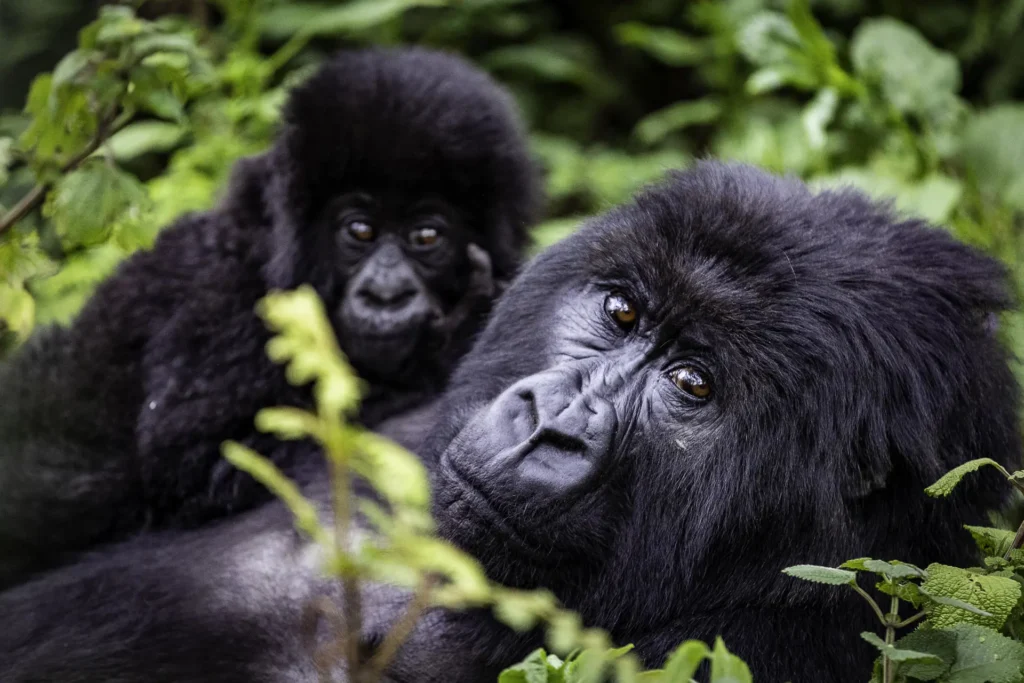
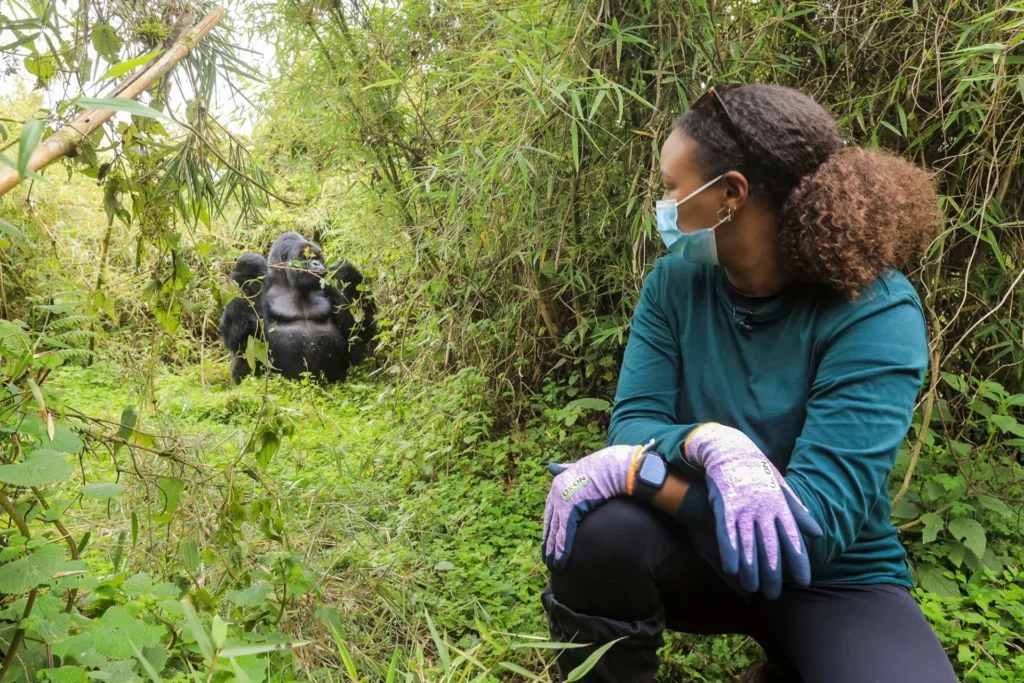
Gorilla trekking in Rwanda is a regulated wildlife activity conducted under the supervision of professional guides and trackers. The gorilla trekking rules page sets out the key regulations.
Mountain gorillas are powerful wild animals.
Although habituated groups are accustomed to controlled human presence, visitors must follow official procedures.
Participants attend a briefing before trekking.
Guides explain expected behaviour, safety procedures and conservation regulations.
Visitors must follow ranger instructions throughout the activity.
The official minimum viewing distance must be respected.
If gorillas approach unexpectedly, visitors should follow guide directions rather than making sudden movements.
Visitors should remain calm and avoid behaviour that could be interpreted as threatening.
Flash photography is prohibited.
Visitors must follow restrictions on eating and drinking near gorillas.
Gorillas must never be touched.
Visitors must never feed wildlife.
Mountain gorillas are social animals with complex relationships.
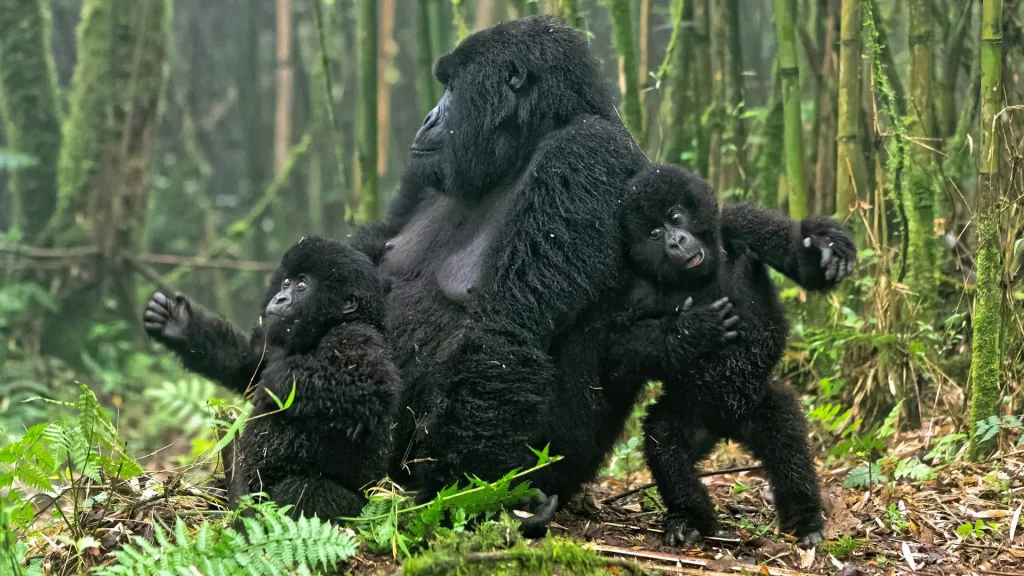
A group may include a dominant silverback, adult females, juveniles and infants.
Adult male gorillas play an important role in group protection and social organisation.
Juveniles may be curious or playful.
Visitors should not encourage interaction.
Gorillas may display behaviour indicating agitation or discomfort.
Guides are trained to interpret such signals and manage visitor responses.
Sudden movements, shouting or attempting to approach animals can create unnecessary risks.
Habituation does not make mountain gorillas domesticated or harmless.
Mountain gorillas are susceptible to certain human infectious diseases.
Health precautions are therefore an essential part of responsible gorilla trekking.
Visitors experiencing symptoms of respiratory illness should notify their operator and follow park authority instructions.
Potentially transmissible illnesses may prevent participation.
Follow official hygiene requirements.
Maintaining the required distance helps reduce disease transmission risks.
Comply with any current mask requirements issued by park authorities.
A disease transmitted to a habituated gorilla family could have serious conservation consequences.
Visitors should never conceal symptoms in an attempt to avoid missing a trek.
The physical challenge of gorilla trekking varies considerably.
Some treks involve relatively short walks.
Others require several hours of hiking through steep forest.
Rain can make soil, rocks and vegetation slippery.
Roots, stones and slopes create trip hazards.
The highland environment may increase fatigue for some visitors.
Long clothing can help protect against scratches and irritation.
Sturdy hiking boots with good grip are strongly recommended.
Porters can help carry bags and assist on difficult sections.
Regular walking and hill training can improve comfort.
Travellers with significant health concerns should seek professional advice before participating.
There is generally no fixed upper age limit for gorilla trekking. See our gorilla trekking for seniors page for more detail.
However, suitability depends on fitness, mobility and health.
Age alone is not a reliable measure of trekking ability.
Porters and other arrangements may be available.
Specialised assisted arrangements may be possible with advance coordination, but availability and suitability must be confirmed.
Gorilla locations change, so an easy route cannot be guaranteed.
Travellers should disclose relevant mobility requirements before booking.
Golden monkey trekking takes place in the Volcanoes region.
Visitors should follow official guiding and wildlife-viewing regulations.
The activity may involve uneven ground, bamboo vegetation and wet trails.
Golden monkeys can move quickly through the forest.
Visitors should not chase or attempt to touch them.
Chimpanzee trekking in Nyungwe Forest can be physically demanding.
Chimpanzees move through dense forest and may travel quickly.
Routes may include steep slopes and muddy sections.
Chimpanzees are powerful wild animals and must not be approached outside official rules.
Visitors must follow authorised guides.
Chimpanzees are also vulnerable to human diseases.
Participants should prepare for potentially strenuous walking.
Nyungwe offers guided forest trails, waterfall hikes and the canopy walkway.
Rainfall can occur throughout the year.
Roots, mud and steep slopes require care.
Long trousers, waterproof layers and suitable footwear are recommended.
Carry sufficient drinking water.
Follow official guiding requirements.
Visitors must follow safety instructions and should consider whether the experience is suitable for their comfort with heights.
Do not enter restricted forest areas or attempt unapproved routes.
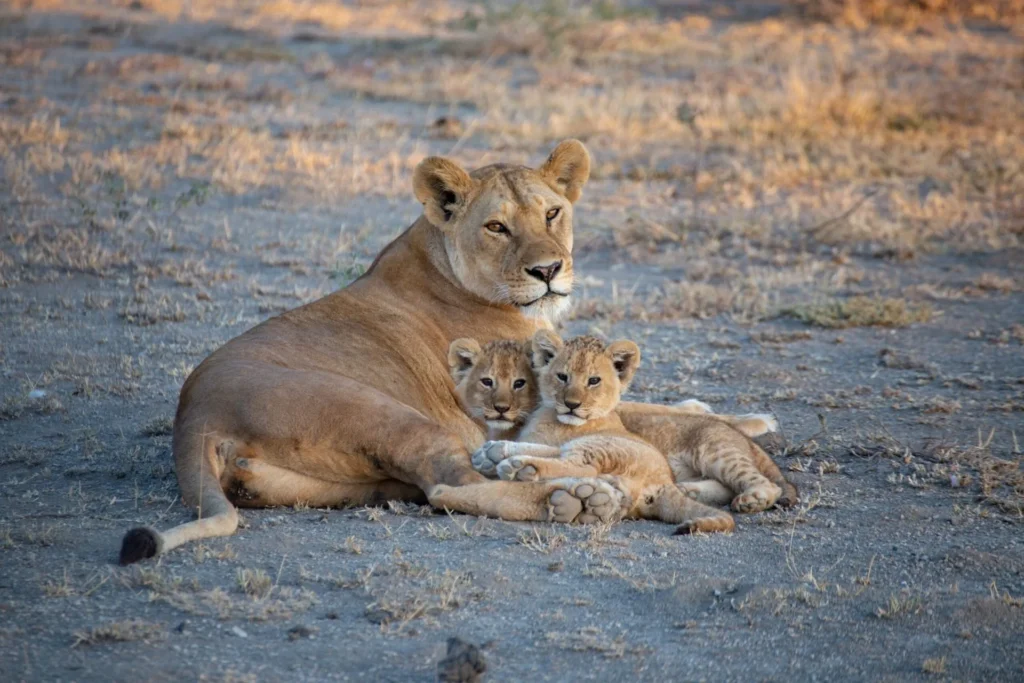
Akagera National Park supports lions, leopards, elephants, buffaloes, rhinoceroses and other wildlife.
These animals can be dangerous if approached or disturbed.
Visitors should remain inside safari vehicles except in designated areas or when authorised by guides.
Vehicles should not crowd or chase animals.
Elephants may react unpredictably when threatened.
Buffaloes are powerful animals and should not be approached on foot.
Predators must be observed from safe positions.
Rhinos require respectful viewing distances.
Feeding wild animals is prohibited and dangerous.
Park authorities determine authorised routes, activities and visitor conduct.
Boat excursions in Akagera provide opportunities to observe hippos, crocodiles and birds.
Use appropriate safety equipment as required.
Choose authorised providers.
Hippos are powerful animals and should never be approached recklessly.
Avoid entering water inhabited by crocodiles.
Wind and rain may affect boating conditions.
Remain seated or move only as directed by the boat crew.
Lake Kivu is a popular destination for relaxation and water activities.
However, visitors should not assume that every section of the lake is suitable for swimming or boating.
Use only locations considered suitable by reputable local providers and current local guidance.
Choose experienced operators and appropriate equipment.
Use properly maintained boats with safety equipment.
Wind and storms can develop and affect conditions.
Conditions vary by location.
Lake Kivu is scientifically notable for dissolved gases in its deep waters. These characteristics are monitored and studied, but ordinary visitors should follow local safety guidance rather than making assumptions about water conditions.
Road travel is a major component of most Rwanda safaris. Our safari transport in Rwanda page covers vehicles and drivers.
Many roads cross steep or winding terrain.
Drivers should adapt to road conditions and posted limits.
Wet roads can reduce traction and visibility.
Highland areas may experience mist or fog.
Road users may share narrow sections with vehicles.
Avoid unnecessary night driving on unfamiliar rural roads.
Passengers should use seat belts.
Experienced driver-guides can improve comfort and help manage unfamiliar road conditions.
Self-driving may be suitable for experienced travellers who understand local road regulations.
Confirm licence and vehicle requirements.
Inspect tyres, brakes and other essential equipment.
Use reliable maps and confirm destinations.
Avoid allowing fuel levels to become unnecessarily low on remote routes.
National park rules may limit routes and activities.
Keep the rental company's contact details available.
A suitable safari vehicle should be maintained and appropriate for the planned route.
Every passenger should have a proper seat.
Bags should be secured appropriately.
Use pop-up roofs only when permitted and safe.
Do not lean dangerously outside the vehicle.
Long driving days should include appropriate rest.
Confirm relevant transport arrangements and coverage.
Travellers should consult qualified health professionals for personalised advice.
Health recommendations depend on medical history, nationality, itinerary and current conditions.
Ensure routine vaccinations are up to date according to medical advice.
Entry requirements depend on travel history and applicable regulations.
Malaria risk and preventive recommendations vary by destination and individual circumstances.
Use suitable insect repellent and protective clothing.
Choose reputable food providers and follow sensible hygiene practices.
Use safe drinking water.
Mountain activities may involve significant elevation.
Travellers should carry necessary medication and relevant medical information.
Disease outbreaks and health advisories can change.
Travellers should consult current information from relevant health authorities before departure.
Health developments in neighbouring countries may influence travel advice.
Cross-border journeys may involve additional health considerations.
Some policies contain exclusions related to outbreaks or official advisories.
A previously published article cannot reliably describe the current status of every regional health concern.
Comprehensive travel insurance is strongly recommended.
Confirm suitable coverage.
Check whether emergency evacuation is included.
Verify that the intended trekking activities are covered.
Review covered cancellation reasons.
Consider flight delays and missed connections.
Read policy exclusions carefully.
Confirm whether official advisories affect coverage.
Families should select activities according to children's ages and abilities.
Gorilla trekking generally requires participants to be at least 15 years old.
Vehicle-based wildlife viewing may be suitable for younger children, subject to park regulations.
Children should remain supervised around wildlife, water and roads.
Family accommodation should be chosen with safety and comfort in mind.
Solo travellers can enjoy Rwanda through organised tours or independent arrangements. Our solo travel in Rwanda page offers further advice.
Use reputable providers.
Share essential travel details with a trusted contact.
Choose suitable locations and confirm arrival arrangements.
Take ordinary precautions with valuables.
Keep important contacts available.
Women travelling alone should consider the same core precautions relevant to independent travel elsewhere.
Reliable accommodation, organised transfers and clear communication can improve convenience.
Travellers should avoid making decisions based solely on broad claims that a destination is completely safe or unsafe.
Personal circumstances and current local conditions matter.
Rainfall can influence travel conditions.
Mud and slippery surfaces increase the risk of falls.
Heavy rain can reduce visibility.
Weather may affect boating conditions.
Waterproof equipment improves comfort.
Allow flexibility where possible.
Travellers should prepare essential information before arriving in Rwanda.
Keep secure copies of important documents.
Have policy information accessible.
Carry relevant medication and prescriptions.
Save operator, accommodation and insurer contact details.
Know how to contact appropriate diplomatic assistance.
Ensure access to a functioning phone or other suitable communication method.
The appropriate response depends on the nature and location of the emergency.
Follow ranger or guide instructions.
Seek professional medical assistance and contact your insurer.
Follow local emergency procedures and contact relevant authorities.
Contact the appropriate authorities and diplomatic mission.
Move away from immediate danger when possible and follow official guidance.
Notify your safari organiser promptly.
A responsible operator should provide realistic information.
Travel days and activity schedules should be practical.
Transport should be appropriate for the route and group size.
Guides should understand park regulations.
Health, mobility and security concerns should be discussed openly.
Travellers should receive clear information about services and responsibilities.
Responsible operators do not guarantee sightings of wild animals.
Rwanda has an established tourism industry, but travellers should follow current official advisories and normal precautions.
Kigali is a major tourism and business destination. Visitors should use ordinary personal security precautions.
Gorilla trekking is regulated and guided, but it involves wild animals and potentially demanding terrain.
Mountain gorillas are powerful wild animals. Visitors must follow ranger instructions to minimise risks.
Authorised game drives operate under park regulations. Visitors must remain inside vehicles where required.
Guided hiking is an established activity, but slippery terrain, weather and physical demands require preparation.
Conditions vary by location. Follow current local guidance and use designated suitable areas.
Check current official advisories for the specific border area and intended travel route.
Comprehensive insurance is strongly recommended.
Malaria risk exists in Rwanda, but preventive advice should be obtained from qualified health professionals.
The standard minimum age is 15 years.
Unnecessary night driving on unfamiliar rural roads is best avoided.
Some can, depending on fitness and mobility. Individual assessment is important.
Notify your operator and follow official park health requirements.
No. Wildlife encounters depend on natural conditions.
Safari safety in Rwanda depends on informed preparation, responsible behaviour, reliable travel arrangements and respect for wildlife regulations.
From gorilla trekking in Volcanoes National Park to Akagera game drives, Nyungwe rainforest hiking and Lake Kivu activities, each experience has specific safety considerations.
At Gorilla Rwanda Safaris, we help travellers understand activity requirements, coordinate suitable transport and accommodation, and plan realistic travel schedules.
Before departure, review current official travel advisories, health requirements and insurance conditions. Contact our team to discuss your travel dates, planned activities and any practical requirements.