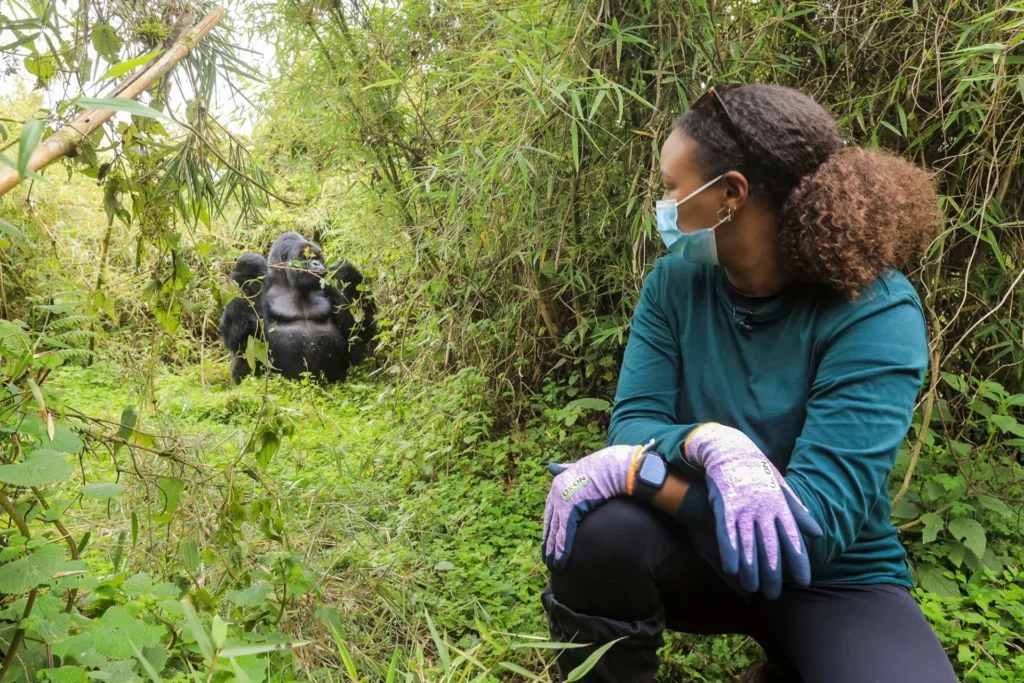
1 Day Bwindi Gorilla Trek
A one-day mountain gorilla trek in Bwindi for travellers who are already in southwestern Uganda.
View SafariHandpicked Kenya Safari Tours for Every Traveler
Safari transport in Rwanda is one of the most important considerations when organising a successful wildlife holiday.
Rwanda's principal tourism destinations are connected by a network of paved roads and secondary routes. However, the quality and suitability of roads vary between urban areas, rural districts and national parks.
Most travellers arrive through Kigali International Airport before continuing to their chosen destinations.
From Kigali, the main safari routes lead north towards Musanze and Volcanoes National Park, east towards Akagera, southwest towards Nyungwe and west towards Lake Kivu.
The appropriate transport arrangement depends on the destinations visited, the number of passengers, accommodation locations and the activities planned.
Wildlife activities often begin at fixed times. Gorilla trekking participants must arrive for the official morning briefing, while chimpanzee tracking frequently requires an early start.
A vehicle breakdown, underestimated journey or unsuitable road choice can therefore have consequences beyond ordinary travel inconvenience.
Transport planning should include reasonable departure times, sufficient fuel, vehicle maintenance and contingency arrangements.
Rwanda's nickname, the Land of a Thousand Hills, reflects its distinctive terrain.
Roads frequently follow hillsides, descend into valleys and climb through agricultural landscapes.
Driving distances that appear short on a map may take longer than expected because of bends, gradients, traffic and changing weather.
This is particularly important when planning journeys between national parks.
Showing 1–12 of 222 safaris
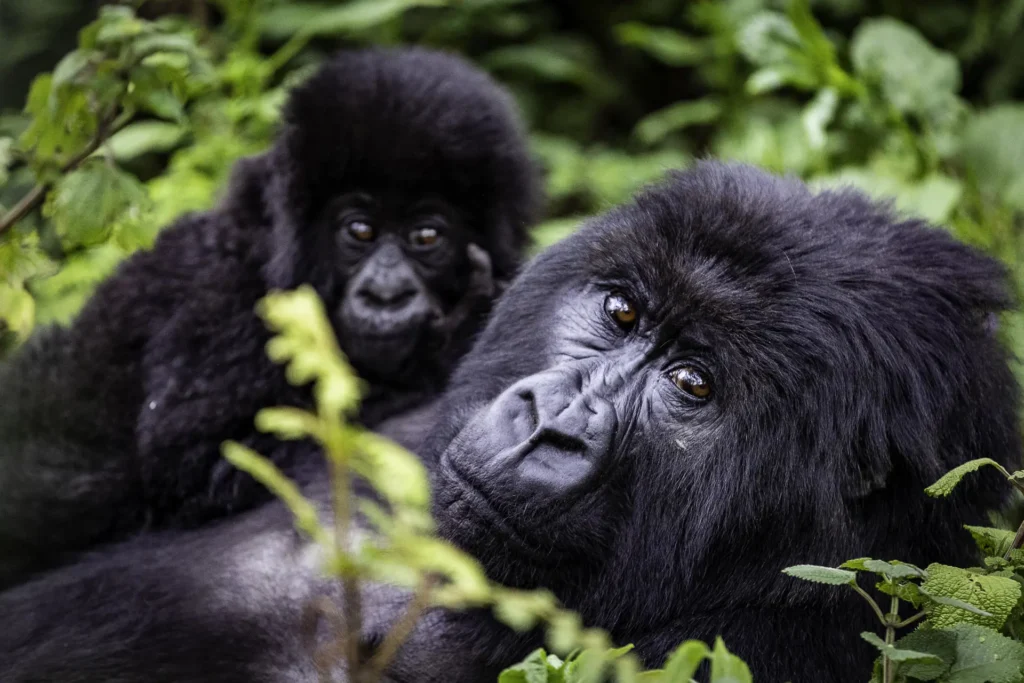
A one-day mountain gorilla trek in Bwindi for travellers who are already in southwestern Uganda.
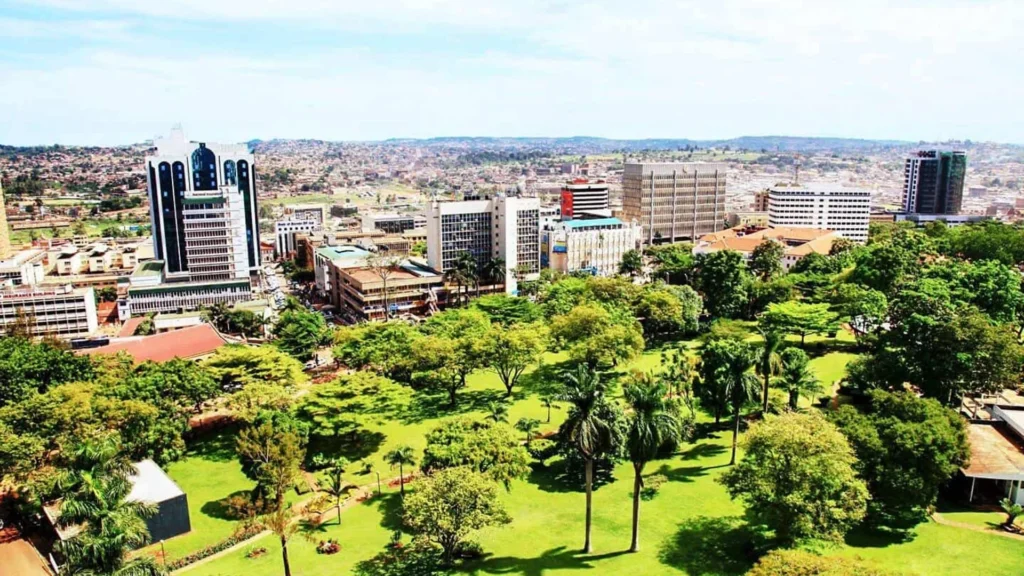
View SafariA single day in Kampala for the kasubi and palace area, a cultural show, and a market or…
View SafariA full day in Kigali covering the Genocide Memorial, a neighborhood market, and one or two museums.
View SafariA single day on Mount Bisoke, with the crater lake as the turnaround point.
View SafariThe 1 Day Rwanda Family Safari offers an exciting and educational wildlife adventure for families visiting Rwanda.
View SafariThe 3 Day Rwanda Gorilla and Akagera Safari combines mountain gorilla trekking in Volcanoes National Park with wildlife…
View SafariThe 4 Day Rwanda Gorilla and Nyungwe Safari combines mountain gorilla trekking in Volcanoes National Park with chimpanzee…
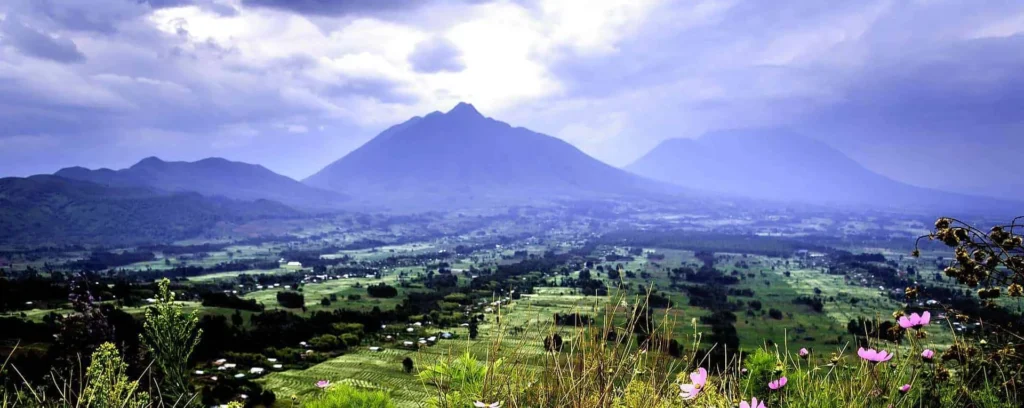
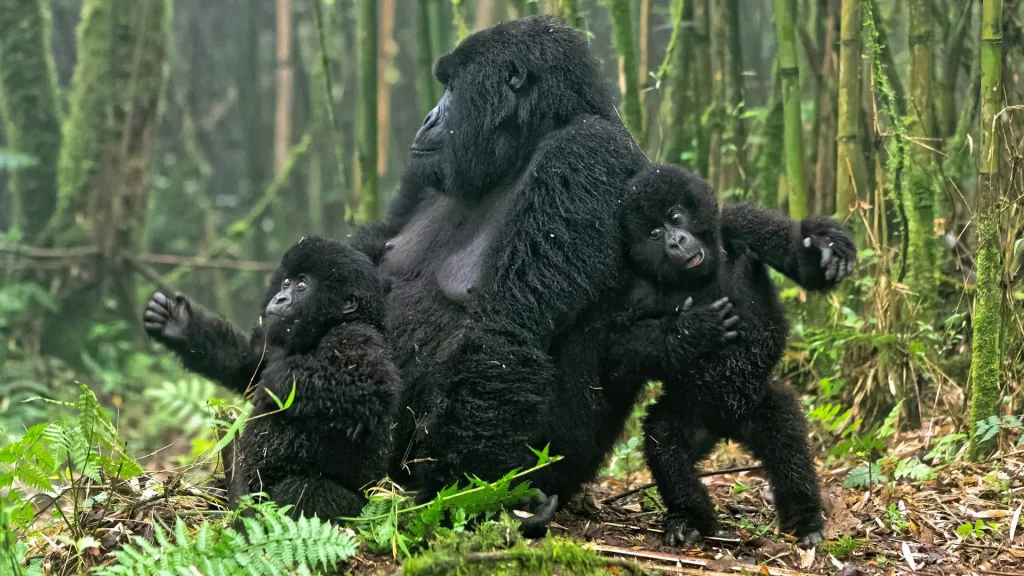
View SafariThe 1 Day Rwanda Gorilla Trekking Safari offers an unforgettable opportunity to encounter endangered mountain gorillas in their…
View SafariThe 1 Day Rwanda Honeymoon Safari offers couples a romantic escape to the beautiful shores of Lake Kivu,…
View SafariThe 1 Day Rwanda Luxury Safari offers an exclusive wildlife experience in Akagera National Park, Rwanda's premier Big…
View SafariThe 1 Day Rwanda Primates Safari offers an exciting opportunity to encounter Rwanda's endangered golden monkeys in the…
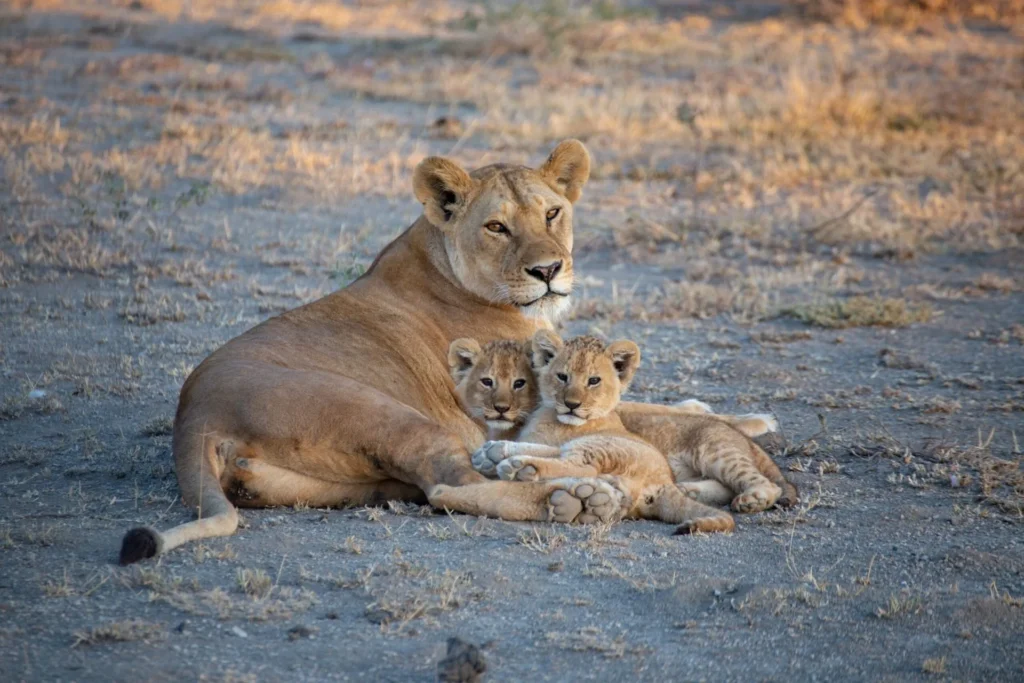
View SafariThe 1 Day Rwanda Wildlife Safari offers an exciting opportunity to explore Akagera National Park, Rwanda's premier savannah…
View SafariDifferent Rwanda safari vehicles are suitable for different travel styles.
A comfortable road vehicle may be adequate for transfers between major towns, while a dedicated 4x4 safari vehicle is generally preferable for game drives and demanding park tracks.
The Toyota Land Cruiser safari vehicle is among the most widely recognised options for East African wildlife travel.
Land Cruisers are valued for their robust construction, ground clearance and ability to operate on challenging roads.
Safari-configured vehicles may include a pop-up roof, large windows, comfortable seating and dedicated luggage space.
These features can be particularly useful during wildlife viewing in Akagera National Park.
However, Land Cruisers are not identical. Seating arrangements, vehicle age, roof configuration and passenger capacity vary.
Travellers should confirm the actual vehicle specification rather than assuming every Land Cruiser offers the same level of comfort.
Safari minivans may provide a more economical transport option for certain routes.
Some have elevated roofs or other adaptations for wildlife viewing.
They can be suitable for selected road transfers and less demanding conditions, but their ground clearance and off-road capabilities may be more limited than those of a dedicated 4x4.
Vehicle suitability should be assessed according to the intended destination and season.
A standard SUV may be appropriate for road-based travel between Kigali, Musanze and other accessible destinations.
However, not every SUV is equipped for difficult national park tracks.
Travellers should distinguish between a vehicle marketed as an SUV and one genuinely suitable for demanding off-road conditions.
Sedans can be practical for Kigali airport transfers, city sightseeing and certain paved-road journeys.
They are generally not the preferred choice for extensive wildlife viewing on rough park roads.
Groups may require several safari vehicles or a larger transport arrangement.
The best solution depends on passenger numbers, luggage, visibility requirements and the activities planned.
For wildlife viewing, distributing travellers between appropriately configured vehicles may provide a better experience than placing everyone in one large vehicle.
Akagera National Park is Rwanda's principal savannah wildlife destination.
Its landscape includes grasslands, woodland, hills, lakes and wetlands.
Although some roads are relatively manageable, conditions can vary substantially.
Higher ground clearance helps vehicles negotiate uneven tracks, ruts and rough surfaces.
Four-wheel drive can provide additional traction in difficult conditions.
However, the presence of 4WD does not eliminate the need for experienced driving or appropriate tyres.
A safari vehicle should allow passengers to observe animals comfortably without unsafe movement.
Pop-up roofs and suitable windows can improve visibility.
Rain can make some park tracks muddy or slippery.
A suitable vehicle and experienced driver are particularly important when conditions deteriorate.
National park travel may involve extended periods away from urban repair facilities.
Vehicle maintenance, tyre condition and appropriate emergency equipment are essential.
Private safari transport in Rwanda is a popular choice for couples, families, photographers and travellers seeking flexibility.
A private vehicle is reserved for the travelling party rather than shared with unrelated passengers.
Private transport allows reasonable adjustments to departure times and scenic stops.
It can also accommodate individual interests, subject to park rules and booked activity schedules.
Travellers have greater control over seating, luggage and the general pace of the journey.
This can be particularly valuable for families and travellers who prefer a quieter experience.
Wildlife photographers may benefit from more flexible stopping arrangements and fewer passengers competing for viewing positions.
Private transport is generally more expensive per person for a solo traveller than for a group sharing the same vehicle.
However, the overall value depends on the vehicle, guiding quality and services included.
A professional Rwanda safari driver-guide provides both transport and practical support throughout the journey.
The driver's responsibilities may include navigation, vehicle operation, activity coordination and interpretation of destinations.
Experienced drivers understand the country's major routes and common road challenges.
This knowledge can help reduce unnecessary delays.
A qualified safari guide may explain animal behaviour, habitats and conservation issues.
However, specialist activities such as gorilla trekking and chimpanzee tracking are conducted under the supervision of authorised park guides.
A private safari driver does not replace the official guides required for regulated activities.
Travellers may request guides with suitable language abilities.
Availability varies, so language requirements should be confirmed before booking.
A good driver-guide should prioritise safe driving, punctuality, respectful communication and adherence to park regulations.
Multi-day transport quotations may include the driver's accommodation and meals.
Travellers should verify these arrangements rather than assuming they are automatically covered.
Rwanda self-drive safaris appeal to independent travellers who prefer to manage their own transport.
Self-driving can provide flexibility, but it also transfers responsibility for navigation, vehicle condition and road safety to the traveller.
Rwanda drives on the right-hand side of the road.
Visitors accustomed to left-hand driving should allow time to adjust.
Travellers must confirm current requirements for driving licences, insurance and vehicle documentation.
The recognition of foreign licences and any international driving permit requirements should be verified before travel.
Rental agreements should be examined carefully.
Some policies exclude certain roads, off-road driving or national park activities.
Main roads are generally more straightforward than secondary routes and park tracks.
Mountain driving requires attention to gradients, bends and visibility.
Travellers unfamiliar with local roads may find long journeys tiring.
A private driver-guide can be preferable when the priority is wildlife viewing rather than independent driving.
Kigali airport transfers are often the first transport service required during a Rwanda safari.
Kigali International Airport serves as the country's principal international gateway.
A prearranged private transfer can provide a convenient connection between the airport and accommodation.
Travellers should confirm the collection location, contact details and luggage requirements.
Visitors arriving late may prefer to stay in Kigali before travelling to a national park.
This can reduce fatigue and avoid unnecessary night driving.
A reliable transfer arrangement should include the flight number, arrival date, expected arrival time and passenger contact information.
Travellers should ask how the transport provider handles delayed flights.
Clear communication can reduce difficulties when arrival times change.
Kigali to Volcanoes National Park transport is among Rwanda's most frequently requested safari transfers.
The park is located in northwestern Rwanda, with Musanze serving as the principal regional town. See our Volcanoes National Park page for more detail.
The road journey from Kigali to Musanze generally takes around two to three hours under suitable conditions.
The journey to a specific lodge or activity starting point may take longer.
The main route is paved and passes through hilly countryside.
Traffic and weather can affect travel time.
Gorilla trekking requires an early morning briefing.
Travellers staying outside the immediate park area should confirm the required departure time carefully. Our gorilla trekking transport guide covers this in more detail.
The distance between a lodge and the trekking briefing point can influence comfort and morning arrangements.
A property described as being in the Volcanoes region is not necessarily adjacent to the park headquarters.
Kigali to Akagera National Park transport connects the capital with Rwanda's principal Big Five safari destination.
The drive to the southern entrance commonly takes approximately two to three hours, depending on the starting point and conditions.
Additional time is required for travel inside the park.
A suitable 4x4 is recommended for extensive game viewing.
Visitors should confirm entrance arrangements, fees and operating procedures.
Vehicles should carry sufficient fuel for the intended park activities.
Travellers should not assume that fuel is readily available at every point within the park.
The park covers a substantial area, so wildlife viewing should be planned around realistic driving distances.
Kigali to Nyungwe National Park transport involves a longer road journey through southern Rwanda.
The route passes through agricultural landscapes and highland regions.
Travel generally requires several hours and may occupy much of a day, depending on the final destination.
Nyanza and Huye offer attractions that can be considered along the wider southern route.
Road conditions near Nyungwe can involve winding sections, rain and mist.
The exact accommodation location is particularly important because chimpanzee tracking may begin very early.
Travellers should confirm the activity assembly point before choosing where to stay. Our Rwanda safari accommodation page can help with planning.
The northern Lake Kivu region is accessible from the Musanze area.
Rubavu, also known as Gisenyi, is a common lakeside destination.
This connection allows travellers to move between mountain scenery and Lake Kivu without returning to Kigali.
The route offers attractive views of hills and changing landscapes.
Lakeside properties may be located away from the main town.
Travellers should confirm the final access road.
Some lakeside activities involve boat transport, but ordinary road transfers should not be confused with scheduled lake transport services.
Lake Kivu transport varies between Rubavu, Karongi, Rusizi and smaller lakeside communities.
Main roads connect important towns, while some local roads are narrower or less developed.
Private road transport is commonly used to move between lakeside destinations.
Boat activities are available through selected operators.
These are generally recreational or locally arranged services rather than substitutes for all road travel.
Water-based excursions require suitable safety equipment and experienced operators.
The lake's irregular shoreline and surrounding hills mean that travel distances should be assessed using actual road routes.
Rwanda safari transport costs depend on the vehicle, number of passengers, travel duration, fuel requirements and services included.
There is no single reliable daily rate that applies to every vehicle and operator.
A dedicated 4x4 Land Cruiser generally costs more than a standard road car.
Driver services may be included in the vehicle rate or charged separately.
Fuel can represent a significant part of the transport cost.
Travellers should confirm whether quotations include fuel for all planned journeys.
Accommodation, meals and allowances may be included or excluded.
Vehicle entry charges and passenger park fees may be separate from transport costs.
Journeys involving Uganda or other countries may require additional documentation, insurance and transfer arrangements.
One-way transport may cost more than expected if the vehicle must return to its original base.
A transparent Rwanda safari transport quotation should specify the services provided.
Important details include the vehicle category, passenger capacity, driver arrangements, fuel, planned routes and applicable transfer dates.
Travellers should also ask about parking charges, tolls where relevant, vehicle entry fees, driver expenses and additional mileage.
If the quotation covers multiple days, it should explain whether the vehicle remains available throughout the journey.
The terms for additional driving, itinerary changes and waiting time should be clear.
Families should consider passenger comfort, luggage and appropriate seating.
Every passenger should have a suitable seat.
Families travelling with younger children should confirm child restraint requirements and availability.
Large suitcases and outdoor equipment can reduce available cabin space.
Long road journeys may require regular breaks.
Private transport can make it easier to accommodate different interests and rest requirements.
Groups of four to eight travellers should pay particular attention to vehicle configuration.
A vehicle's advertised passenger capacity does not necessarily indicate how comfortable it will be during wildlife viewing.
Travellers may prefer individual window access.
The available viewing space should be considered when choosing a safari vehicle.
Large groups may require additional luggage capacity.
Using more than one vehicle can improve comfort and flexibility.
Rwanda photography safari transport should prioritise visibility, stability and adequate equipment space.
A private 4x4 with suitable roof configuration can be useful in Akagera.
Photographers should confirm whether the vehicle provides sufficient space for camera bags and lenses.
Drivers should understand that photographic stops may require patience, but all positioning must remain within park rules.
Safe transport is essential during any safari. Our Rwanda safari safety page covers wider safety topics.
Drivers should follow posted speed limits and traffic regulations.
Steep gradients and winding roads require careful driving.
Rain can reduce visibility and road traction.
Drivers should remain attentive in towns and rural settlements.
Daytime travel is generally preferable for visitors unfamiliar with local routes.
Tyres, brakes, lights and other essential components should be maintained properly.
Travellers with mobility limitations should discuss transport requirements before booking.
High-clearance safari vehicles may be difficult to enter without assistance.
Step heights, seating arrangements and luggage access should be considered.
Some vehicles may be easier to use than others.
Mobility requirements should also be assessed alongside the accessibility of accommodation and wildlife activities.
Rwanda–Uganda safari transport requires additional planning because it involves an international border crossing.
Travellers may use Kigali as an arrival point before continuing towards southwestern Uganda.
Passport, visa and vehicle requirements must be checked.
Cross-border vehicle use may require specific authorisations and insurance.
Border formalities and mountain roads can affect travel times.
Rwanda and Uganda have separate gorilla permit systems.
Transport arrangements should match the confirmed trekking location and date.
One common mistake is selecting a vehicle based only on price.
Another is underestimating journey times between national parks.
Travellers may also overlook fuel exclusions, driver expenses or vehicle entry charges.
Booking accommodation far from an early morning activity can create unnecessary inconvenience.
Choosing an unsuitable vehicle for Akagera's tracks may affect comfort and access.
Finally, failing to confirm luggage capacity can create problems for groups carrying large suitcases or photography equipment.
A 4x4 Land Cruiser is a popular choice for extensive wildlife viewing, while other vehicles may be suitable for paved-road transfers.
A 4x4 is not necessarily required for the main paved-road journey to Musanze, but suitability depends on lodge access and local conditions.
A private driver-guide can improve convenience, navigation and overall travel comfort.
Yes, subject to applicable driving documentation, insurance and rental conditions.
The journey to Musanze generally takes around two to three hours, with additional time depending on the final destination.
The journey to the southern entrance commonly takes around two to three hours, excluding travel within the park.
It depends on the operator. Confirm this in writing.
Some are, but specifications vary. Confirm the actual vehicle.
Some can, subject to the necessary permissions, insurance and border requirements.
Public transport may connect major towns, but it is generally less convenient for timed wildlife activities and travel within national parks.
Yes, subject to availability. Confirm the configuration before booking.
Private transfers may be arranged for late arrivals, subject to provider availability.
At Gorilla Rwanda Safaris, we help travellers arrange comfortable and practical safari transport in Rwanda, including private driver-guided vehicles, national park transfers, airport collections and transport for multi-destination wildlife holidays.
Our team can advise on 4x4 safari Land Cruisers, suitable vehicles for families and groups, realistic travel times and transport arrangements for Volcanoes National Park, Akagera, Nyungwe, Lake Kivu and selected cross-border journeys.
Contact us with your travel dates, passenger numbers, destinations and preferred vehicle type to discuss reliable transport arrangements for your Rwanda safari.